


Description
Thermal Dynamics 22-1072 Plasma Electrode: The Engineered Heart of Reliable Arc Starting and Cutting Performance
Introduction: Where Every Plasma Cut Begins
In the intricate ecosystem of a plasma cutting system, if the nozzle is the precision instrument that shapes the cut, then the electrode is the powerful engine that makes it all possible. As the critical component responsible for initiating and maintaining the superheated plasma arc, the electrode’s performance dictates the very foundation of your cutting process: arc start reliability, cutting stability, and overall consumable system life. The Thermal Dynamics 22-1072 Plasma Electrode is not a generic consumable; it is a precision-engineered component designed to deliver consistent, reliable ignition and optimal power transfer in compatible Thermal Dynamics torches.
A failing or substandard electrode is the root cause of countless cutting issues—unreliable starts, erratic arcs, poor cut quality, and premature nozzle failure. By choosing the genuine Thermal Dynamics 22-1072 Plasma Electrode, you invest in the electrical integrity of your torch. This article will explore the sophisticated design, advanced materials, and operational benefits that make this specific electrode model the definitive choice for professionals who value uptime, consistency, and peak cutting performance.
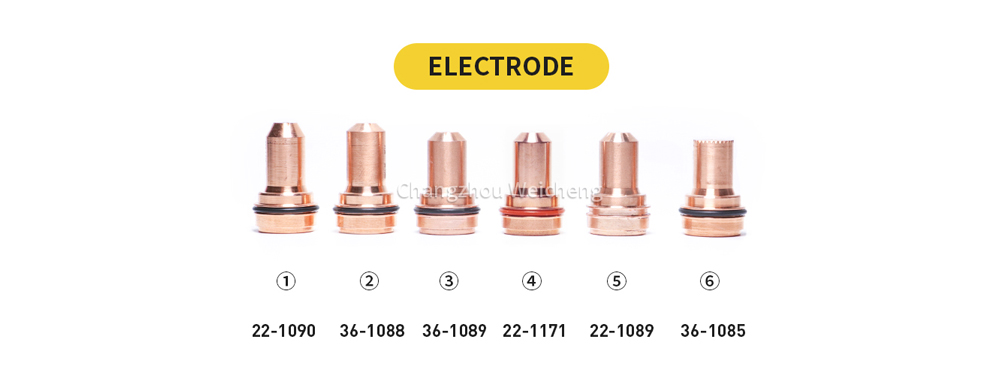
Core Function and Engineering: The Science of a Stable Arc
The Thermal Dynamics 22-1072 Plasma Electrode serves as the cathode (negative terminal) within the plasma torch circuit. Its primary function is twofold: to provide a high-emission surface for the pilot arc to form, and to sustain the transfer of cutting current to the workpiece. The precision of its construction directly influences the efficiency and stability of this energy transfer.
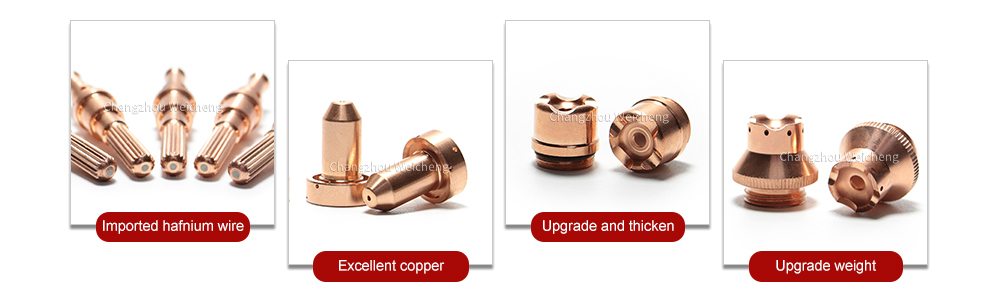
The key to its performance lies in the hafnium emitter insert. Hafnium is the industry-standard material for electrodes in air plasma systems due to its exceptionally high melting point and favorable thermionic emission properties. The Thermal Dynamics 22-1072 Plasma Electrode features a carefully sized and shaped hafnium insert that is securely embedded within a high-conductivity copper body. This copper body serves to dissipate intense heat away from the emitter, while precision-machined threads and sealing surfaces ensure perfect alignment and electrical contact within the torch.
Critical Performance Advantages:
-
Reliable Arc Ignition: Ensures consistent, easy starts every time, even in demanding shop conditions, minimizing frustrating false starts.
-
Stable Cutting Performance: Provides a steady, concentrated path for the cutting current, resulting in a smooth, consistent arc for better cut quality.
-
Extended Nozzle Life: A properly functioning electrode wears in a controlled, predictable manner. An out-of-spec or worn electrode is the leading cause of rapid, catastrophic nozzle failure due to double-arcing.
-
Optimized Thermal Management: The copper body efficiently draws heat away from the critical emitter, prolonging the electrode’s life and protecting torch components.
-
Matched System Performance: Engineered to work in perfect harmony with specific Thermal Dynamics nozzles (like the 9-8205 or 22-1062), ensuring balanced wear and optimal gas dynamics.
Technical Specifications & Performance Comparison
The value of the genuine Thermal Dynamics 22-1072 Plasma Electrode becomes starkly apparent when compared to inferior alternatives. Its specifications are not just numbers—they are promises of reliability.
| Parameter | Thermal Dynamics 22-1072 Plasma Electrode (Genuine OEM) | Standard Generic Electrode | Consequences of Using an Inferior Electrode |
|---|---|---|---|
| Emitter Material & Mass | High-Purity, Optimized Mass Hafnium Insert | Small, low-purity, or incorrect material (e.g., zirconium) | Unreliable starts, shorter life, unstable arc. |
| Copper Body Integrity | High-Conductivity OFHC Copper, Precision Machined | Lower-grade copper; poor machining tolerances | Poor heat dissipation, hot spots, erratic current. |
| Thread & Contact Precision | Precision threads and sealing surfaces | Loose tolerances, poor surface finish | High electrical resistance, voltage drop, overheating. |
| Emitter-to-Bore Alignment | Engineered for perfect concentricity with matched nozzle | Uncontrolled variance | Causes double-arcing, instantly destroys nozzles. |
| Average Service Life | Consistent, predictable wear (e.g., 1:1 with nozzle life) | Unpredictable, often very short | Frequent changes, higher cost, unknown failure point. |
| Arc Start Reliability | > 99% in specification conditions | Highly variable | Production delays, operator frustration. |
| True System Cost | Protects nozzle investment, ensures uptime | Risks nozzle and torch health | Exponential cost increase from damaged components. |

Material Science: The Foundation of Reliability
The Thermal Dynamics 22-1072 Plasma Electrode is a testament to material science applied to extreme conditions. The oxygen-free high thermal conductivity (OFHC) copper body is essential. Its purity ensures minimal electrical resistance, allowing cutting current to pass efficiently while its exceptional thermal conductivity pulls heat away from the hafnium emitter. This prevents the copper from annealing (softening) and maintains the critical mechanical strength of the threads.
The hafnium emitter itself is the heart of the component. In the plasma environment, the very tip of the hafnium oxidizes, creating a hafnium oxide layer that has an even higher melting point. This layer erodes slowly and controllably during normal operation. The quality, density, and bonding process of this hafnium insert are proprietary to OEM manufacturers like Thermal Dynamics. A poorly made insert can crack, fall out, or erode unevenly, leading to immediate system failure.
Ideal Application Scenarios
The Thermal Dynamics 22-1072 Plasma Electrode is essential for any application where performance cannot be left to chance:
-
Production and CNC Cutting: Automated systems require 100% arc start reliability. A single failed start can ruin a part or halt a machine.
-
High-Duty Cycle Operations: In shops with long arc-on times, the electrode’s thermal management is critical to prevent overheating and premature failure.
-
Critical Cut Quality Work: When cutting parts for welding or fabrication, a stable arc from a good electrode is necessary for a clean, dross-free edge.
-
Preventive Maintenance Programs: Swapping electrodes and nozzles as a matched set is the single best practice to avoid unexpected downtime.
-
All Professional Fabrication: From structural steel to maintenance work, using the correct electrode protects your entire torch investment.
The Consumable System: Mandatory Related Products
The Thermal Dynamics 22-1072 Plasma Electrode cannot perform in isolation. It is part of a tightly engineered system:
-
Matched Plasma Nozzle (e.g., 9-8205, 22-1062): THIS IS NON-NEGOTIABLE. Always replace the electrode and nozzle as a set. A new electrode with a worn nozzle (or vice versa) will cause immediate imbalance and failure.
-
Swirl Ring / Retaining Cap: This component centers the electrode within the nozzle. A worn swirl ring will misalign the emitter, causing double-arcs.
-
Shield Cup: Protects the entire assembly. A damaged shield cap can allow spatter to interfere with the electrode.
-
Proper Torch Maintenance: Ensure the torch’s internal contact surfaces are clean and the spring-loaded plunger (if present) moves freely to maintain electrical pressure on the electrode.
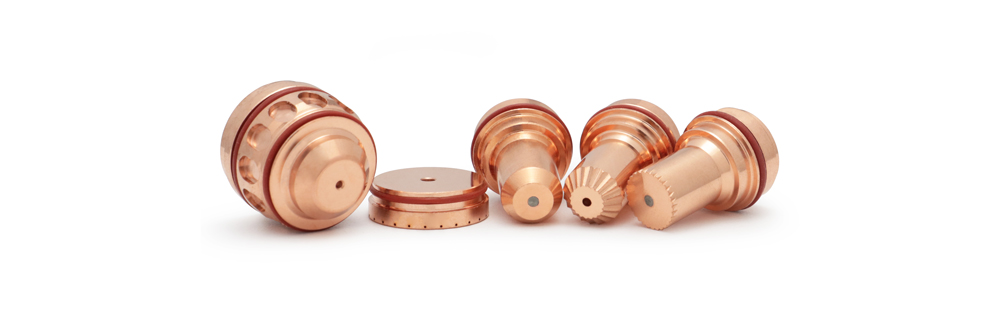
Frequently Asked Questions (FAQ)
Q1: Why should I always replace the electrode and nozzle together?
A: The Thermal Dynamics 22-1072 Plasma Electrode and its matched nozzle are a wear pair. They erode at a designed, complementary rate. Installing a new electrode into a worn nozzle creates a larger-than-intended gap. This forces the arc to “reach,” causing instability, poor cuts, and ultimately, a double-arc that will destroy the new electrode and likely the torch. The small cost of a nozzle is cheap insurance for your electrode and torch.
Q2: How do I know when my 22-1072 electrode is worn out?
A: Inspect the hafnium emitter during nozzle changes. Replace the electrode when the hafnium pit depth reaches approximately 1.5 mm (0.060″). A deeper pit increases the arc gap, leading to hard starting and poor performance. Also replace if the emitter is cracked, uneven, or if the copper body is severely oxidized or pitted.
Q3: Can I use this electrode with different brands of nozzles or in different torch models?
A: No. The Thermal Dynamics 22-1072 Plasma Electrode is engineered for specific electrical, thermal, and dimensional compatibility with Thermal Dynamics torch models that use it. Using it with non-compatible nozzles or in the wrong torch will result in poor performance, immediate failure, and may void warranties or damage equipment. Always use the parts specified for your exact torch model.
Q4: What causes an electrode to fail prematurely?
A: Common causes include: 1) Moisture in air supply: Causes rapid oxidation and pitting. 2) Using a worn nozzle: Leads to double-arcing. 3) Excessive torch dragging (in drag modes): Physical impact damages the tip. 4) Loose consumables: Poor electrical contact causes arcing and overheating. 5) Incorrect amperage setting: Overloading the electrode.
Q5: Is there a “break-in” procedure for a new electrode?
A: While not always mandatory, a short break-in can promote even initial emitter oxidation. After installation, make a few short cuts or pierces on scrap material of the recommended thickness before beginning critical work. This allows the hafnium oxide layer to form uniformly.
Conclusion: The Foundation of a Reliable Cutting Process
Every successful plasma cut begins with a perfect, controlled electrical discharge. The Thermal Dynamics 22-1072 Plasma Electrode is the engineered component that guarantees this, time after time. Viewing it as merely a “consumable” undervalues its role as the fundamental protector of your cutting process’s integrity and cost-effectiveness.
Investing in the genuine electrode is the most cost-effective decision you can make. It safeguards your more expensive nozzles, ensures your torch operates as designed, and eliminates the unpredictable downtime caused by arc start failures. For cuts you can count on from start to finish, start with the right component.
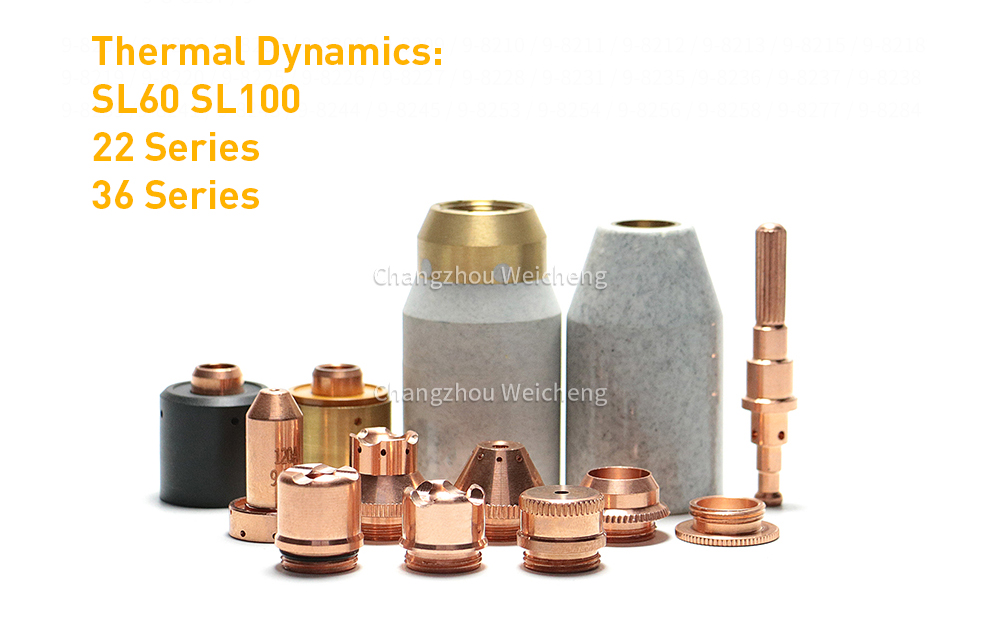
|
Shield Gas Distributor
|
36-1273
|
Shield Cup
|
22-1016
|
|
Shield Gas Distributor
|
36-1282
|
Shield Cap
|
22-1025
|
|
Shield Gas Distributor
|
36-1280
|
Shield Gas
|
22-1272
|
|
Shield Cup
|
36-1018
|
Plasma Gas Distributor
|
22-1041
|
|
Shield Retainer
|
36-1019
|
Electrode
|
22-1069
|
|
Cartridge
|
36-1020
|
Cartridge
|
22-1020
|
|
Shield Cup
|
36-1016
|
Shield Cap
|
22-1027
|
|
Shield Cap
|
36-1025
|
Nozzle
|
22-1153
|
|
Shield Cap
|
36-1028
|
Electrode
|
22-1171
|
|
Shield Cap
|
36-1029
|
Shield Cap
|
22-1030
|
|
Shield Cap
|
36-1034
|
Shield Gas Distributor
|
22-1285
|
|
Shield Gas Distributor
|
36-1272
|
Nozzle
|
22-1055
|
|
Nozzle
|
36-1051
|
Plasma Gas Distributor
|
22-1042
|
|
Nozzle
|
36-1053
|
Electrode
|
22-1075
|
|
Nozzle
|
36-1060
|
Cartridge
|
22-1022
|
|
Nozzle
|
36-1055
|
Shield Cap
|
22-1028
|
|
Nozzle
|
36-1058
|
Shield Cap
|
22-1275
|
|
Nozzle
|
36-1064
|
Nozzle
|
22-1054
|
|
Plasma Gas Distributor
|
36-1041
|
Electrode
|
22-1072
|
|
Electrode
|
36-1069
|
Cartridge
|
22-1020
|
|
Shield Cap
|
36-1027
|
Nozzle
|
21-1052
|
|
Electrode
|
36-1071
|
Nozzle
|
21-1055
|
|
Electrode
|
36-1089
|
Electrode
|
21-1075
|
|
Electrode
|
36-1085
|
Electrode
|
21-1093
|
|
Shield Gas Distributor
|
36-1273
|
Nozzle
|
21-1152
|
|
Shield Gas Distributor
|
21-1272
|
Nozzle
|
21-1153
|
|
Shield Gas Distributor
|
21-1285
|
Electrode
|
21-1170
|
|
please contact us!
|
Electrode
|
21-1171
|
|


Reviews
There are no reviews yet.