

Many people struggle to grasp plasma temperature and how it affects cutting, welding, and other industrial tasks. Plazma jest czwartym stanem materii i stanowi większość widzialnego wszechświata. 1 W tym przewodniku w prosty sposób opisano temperaturę plazmy, pokazując, jak ją mierzyć, kontrolować i wykorzystywać do konkretnych potrzeb. Gotowy do opanowania technologii plazmowej? 2
Zrozumienie temperatury plazmy: podstawowe pojęcia
Temperatura plazmy stanowi podstawę wszystkich zachowań i zastosowań plazmy. Musisz ogarnąć jedno i drugieplazma termiczna i nietermiczna koncepcje, aby w pełni zrozumieć, jak ten czwarty stan materii działa w warunkach przemysłowych.
Plazma termiczna a nietermiczna
Plazma termiczna tworzy idealną równowagę, w której wszystkie cząstki mają tę samą wysoką temperaturę, zwykle od 4000 do 20 000 K.1 Widziałem te plazmy w akcji podczas przemysłowych operacji cięcia, gdzie ich ekstremalne ciepło topi metal jak masło.
Elektrony, jony i cząsteczki gazu obojętnego istnieją w tym palącym zakresie temperatur, tworzącplazmy termiczne highly ionized and perfect for applications needing intense heat.
Plazma nietermiczna oferuje fascynujący kontrast w związku z brakiem równowagi temperatur. Elektrony osiągają ekstremalne temperatury dochodzące do 10 000 K, podczas gdy gaz pozostaje chłodny – często w temperaturze pokojowej.
Ta wyjątkowa właściwość sprawia, że zimna plazma idealnie nadaje się do obróbki materiałów wrażliwych na ciepło. Moja praca laboratoryjna z plazmą nietermiczną pokazała, jak można sterylizować sprzęt medyczny bez uszkodzeń cieplnych, w przeciwieństwie do swoich termicznych kuzynów, którzy natychmiast topią te same przedmioty.
Następnie zbadamy dokładnie, w jaki sposób naukowcy mierzą i kontrolują temperatury plazmy.
Magia plazmy tkwi w jej temperaturze – kontroluj to, a ty będziesz kontrolować jego moc.
Jak mierzy się i kontroluje temperaturę plazmy
Wychodząc od podstaw dotyczących typów plazmy termicznej i nietermicznej, musimy zrozumieć, w jaki sposób naukowcy faktycznie mierzą temperaturę plazmy i nią zarządzają. Pomiar temperatury plazmy wymaga specjalistycznych technik ze względu na ekstremalne ciepło i unikalne właściwości czwartego stanu skupienia.
- Analiza emisji widmowej wychwytuje światło wydzielane przez plazmę w celu określenia temperatury elektronów, co jest kluczową metodą pomiaru w badaniach nad syntezą termojądrową.
- The Metoda wykresu Boltzmanna wykresy intensywności linii emisyjnych w funkcji poziomów energii, aby dokładnie obliczyć temperaturę plazmy.
- Wykres Saha-Boltzmanna rozszerza podstawową metodę o stany jonizacji, dając pełniejsze odczyty temperatury w złożonych środowiskach plazmy.
- Metoda proporcji porównuje dwie linie widmowe, aby szybko znaleźć temperaturę, co czyni ją przydatną w systemach monitorowania w czasie rzeczywistym.
- Uczenie maszynowe pomaga teraz mierzyć temperaturę elektronów bezpośrednio na podstawie widm emisji w plazmie tokamaka z błędem mniejszym niż 1 eV w niskich temperaturach.
- Niedrogie spektrometry w połączeniu z sieciami neuronowymi osiągają 99% dokładność w klasyfikacji stanów plazmy, dzięki czemu diagnostyka jest bardziej przystępna.
- Kontrola temperatury plazmy odbywa się poprzez regulację szybkości przepływu gazu, co wpływa na sposób rozprowadzania ciepła w plazmie.
- Ustawienia zasilania mają bezpośredni wpływ na temperaturę plazmy, przy czym wyższe pobór mocy zazwyczaj powoduje cieplejsze warunki plazmy.
- Systemy chłodzenia regulują temperaturę plazmy w zastosowaniach przemysłowych, gdzie precyzyjna kontrola wpływa na jakość produktu.
- Wybór gazu odgrywa kluczową rolę w kontroli temperatury, ponieważ różne gazy mają unikalne właściwości przenoszenia ciepła.
Zastosowania przemysłowe: rola temperatury plazmy

Temperatura plazmy odgrywa kluczową rolę w zastosowaniach przemysłowych, od cięcia po spawanie. Różne procesy wymagają określonych zakresów temperatur, aby dobrze współpracować z różnymi materiałami i osiągnąć pożądane rezultaty.
Systemy cięcia: wpływ temperatury na możliwości, materiały i precyzję
Temperatura odgrywa ogromną rolę w plazmiesystemy tnące. Różne metale wymagają określonego poziomu ciepła, aby zapewnić czyste cięcie. Stal miękka wymaga temperatur od 6000°F do 20 000°F, podczas gdy stal nierdzewna potrzebuje temperatur od 6500°F do 18 000°F.
Aluminium wymaga najgorętszego zakresu temperatur od 9 000°F do 25 000°F.3 Widziałem na własne oczy, jak wpływają te zakresy temperaturWytnij jakość – za nisko – uzyskasz ostre krawędzie, za wysoko – ryzyko wypaczenia materiału.
Systemy cięcia plazmowego CNC pomagają precyzyjnie kontrolować te wysokie temperatury. Strefa wpływu ciepła zmienia się w zależności od ustawień temperatury, co bezpośrednio wpływa na właściwości materiału po cięciu.
Wyższe temperatury mogą ciąć szybciej, ale mogą zmniejszyć precyzję w przypadku cieńszych materiałów. Niższe temperatury często zapewniają czystsze krawędzie, ale działają wolniej. Aby uzyskać najlepsze wyniki, zakłady zajmujące się obróbką metali muszą zrównoważyć te czynniki dla każdego zadania.4
Zastosowania spawalnicze: rozważania dotyczące temperatury w przypadku stosowania plazmy w porównaniu z alternatywami
Spawanie łukiem plazmowym wyróżnia się na tle innych metod precyzyjną kontrolą ciepła. Widziałem na własne oczy, jak tworzy czystsze, głębsze spoiny przy mniejszym rozprzestrzenianiu się ciepła w porównaniu ze spawaniem TIG.5 Technika dziurki od klucza umożliwia przepływ metalu przez mały otwór, tworząc mocne połączenia, jednocześnie utrzymując chłodniejsze otoczenie. Ustawienia prądu pulsacyjnego pozwalają spawaczom regulować temperaturę podczas procesu, dzięki czemu idealnie nadają się do trudnych materiałów, które łatwo się wypaczają.
Gazy osłonowe odgrywają również ogromną rolę w temperaturach spawania plazmowego. Różne mieszaniny gazów zmieniają stopień nagrzania łuku i skuteczność przekazywania ciepła do metalu.5 Ma to duże znaczenie dla jakości i głębokości spoiny.
Właściwy wybór gazu oznacza lepszą penetrację bez nadmiernego ciepła, które mogłoby uszkodzić części. Następnie zbadamy, w jaki sposób obróbka powierzchni korzysta z unikalnych właściwości temperaturowych plazmy.
Obróbka powierzchni i powlekanie: Wpływ temperatury na skuteczność i zakres zastosowania
Temperatura odgrywa kluczową rolę w obróbce powierzchni i powlekaniu plazmą. Plazmy niskociśnieniowe pracują w temperaturze 50-500°C, dzięki czemu doskonale nadają się do wielu modyfikacji powierzchni bez uszkadzania materiałów.
Ten zakres temperatur pozwala na precyzyjną kontrolę podczas procesów powlekania, aktywacji powierzchni i obróbki cieplnej. Materiały, które nie wytrzymują wysokiej temperatury, nadal korzystają z technologii plazmowej, ponieważ operatorzy mogą dostosować ustawienia dla delikatnych elementów, takich jak soczewki optyczne.6
Inżynieria powierzchni za pomocą plazmy tworzy mocniejsze i trwalsze produkty dzięki ostrożnemu zarządzaniu temperaturą. Proces powlekania zmienia się całkowicie przy różnych poziomach ciepła – za zimno i powłoki nie będą się trzymać, za gorąco i podłoża mogą się wypaczyć lub spalić.
Inżynierowie muszą zrównoważyć te czynniki dla każdego konkretnego materiału i pożądanego rezultatu. Następnie zajmiemy się technicznymi aspektami masteringukontrola temperatury plazmy w różnych zastosowaniach.
Pojawiające się zastosowania: Nowe gałęzie przemysłu badające zalety precyzyjnej kontroli temperatury w technologii plazmowej
Beyond surface treatments, plasma technology has found new homes in surprising industries. W dziedzinach medycyny do przełomowych zastosowań wykorzystuje się obecnie plazmę niskotemperaturową (LTP). LTP działa w temperaturze pokojowej i tworzy reaktywne formy bez stosowania ekstremalnych temperatur, dzięki czemu idealnie nadaje się do zastosowań biomedycznych.
Lekarze i badacze wykorzystują tę technologię do udoskonalania systemów dostarczania leków i metod transferu genów z precyzyjną kontrolą temperatury.7
Producenci implantów medycznych odnoszą ogromne korzyści z regulacji temperatury plazmy. Właściwe warunki plazmy pomagają stworzyć bardziej biokompatybilne materiały, które organizm ludzki lepiej akceptuje. Ta staranna równowaga temperatury plazmy otwiera drzwi dla bezpieczniejszych wyrobów medycznych i terapii.
Firmy z branży opieki zdrowotnej wciąż odkrywają nowe sposoby, w jakie kontrolowane środowiska plazmowe mogą rozwiązywać złożone problemy, zapewniając jednocześnie bezpieczeństwo pacjentów.
Głębokie nurkowanie techniczne: Opanowanie kontroli temperatury plazmy

Głębokie informacje techniczne: Opanowanie kontroli temperatury plazmy oferuje praktyczny wgląd w zarządzanie krytycznymi parametrami w celu uzyskania optymalnej wydajności plazmy – czytaj dalej, aby poznać podstawowe techniki dla konkretnych zastosowań.
Parametry krytyczne: Rola temperatury w doborze gazu, natężenia przepływu, ustawienia mocy
Kontrola temperatury plazmy wymaga ostrożnego zarządzania kilkoma kluczowymi czynnikami. Te krytyczne parametry bezpośrednio wpływają na jakość, prędkość i wydajność cięcia.
- Wybór gazu znacząco wpływa na temperaturę plazmy – różne gazy wytwarzają różne poziomy ciepła i wpływają na sposób, w jaki plazma przecina materiały.
- Natężenia przepływu zmieniają temperaturę elektronów – wraz ze wzrostem przepływu gazu temperatura elektronów maleje, a gęstość elektronów rośnie. 8
- Ustawienia mocy określają intensywność ciepła – wyższa moc wytwarza gorętszą plazmę, ale wymaga więcej energii i może powodować nadmierne topienie materiału.
- Poziomy ciśnienia muszą odpowiadać aplikacji – odpowiednie ciśnienie pomaga utrzymać stabilny łuk plazmowy i zapewnia spójne rezultaty cięcia.
- Rodzaj gazu wpływa na prędkość cięcia – niektóre gazy umożliwiają szybsze cięcie, inne zapewniają czystsze krawędzie, w zależności od potrzeb temperaturowych.
- Układy chłodzenia równoważą temperaturę – zapobiegają przegrzaniu i wydłużają żywotność sprzętu podczas pracy w wysokich temperaturach.
- Stabilność łuku zależy od kontroli temperatury – niestabilne temperatury prowadzą do złego cięcia i zmniejszonej precyzji.
- Grubość materiału określa wymagania temperaturowe – grubsze materiały zazwyczaj wymagają wyższych temperatur do skutecznego cięcia.
Teraz sprawdzimy, jak konfiguracja sprzętu odgrywa kluczową rolę w utrzymaniu optymalnej temperatury plazmy.9
Konfiguracja sprzętu: wpływ temperatury na konstrukcję dyszy, odległość odsunięcia, systemy chłodzenia
Temperatura odgrywa kluczową rolę w konfiguracji sprzętu plazmowego. Przyjrzyjmy się, jak ciepło wpływa na kluczowe elementy systemów cięcia plazmowego.
- Konstrukcja dyszy zmienia się w zależności od wymagań temperaturowych dla różnych materiałów o grubości do 50,8 mm. 10
- Większe średnice dysz wytrzymują wyższe temperatury od bieżących ustawień 200A. 10
- Długość dyszy musi odpowiadać mocy cieplnej dla określonych zadań cięcia.
- Systemy kontroli ciepła chronią dysze przed wypaczeniem podczas pracy w wysokiej temperaturze.
- Wydłużają się mechanizmy chłodzące Życie dyszy poprzez radzenie sobie ze stresem termicznym.
- Odległość odsunięcia wpływa bezpośrednio na przenoszenie ciepła do przedmiotu obrabianego.
- Większe odległości zmniejszają intensywność ciepła, ale mogą obniżyć precyzję cięcia.
- Właściwe systemy chłodzenia zapobiegają przegrzaniu podczas długotrwałych prac cięcia.
- Systemy chłodzone wodą najlepiej sprawdzają się w zastosowaniach z plazmą wysokotemperaturową.
- Dysze chłodzone powietrzem nadają się do zadań cięcia w niższych temperaturach.
- Osłony termiczne chronią pobliskie komponenty przed uszkodzeniami termicznymi. 11
- Systemy zarządzania temperaturą monitorują i regulują temperaturę podczas pracy.
- Materiały dysz muszą wytrzymywać ekstremalne temperatury, nie ulegając degradacji.
- Kiedyś widziałem awarię miedzianej dyszy z powodu nieprawidłowego rozmiaru układu chłodzenia.
- Efektywność odległości odsunięcia spada wraz ze wzrostem ciepła w strefie cięcia.
Rozwiązywanie typowych problemów: Zarządzanie wyzwaniami i rozwiązaniami związanymi z temperaturą
Problemy z temperaturą plazmy mogą zatrzymać produkcję i uszkodzić sprzęt, jeśli nie zostaną szybko rozwiązane. Inteligentne rozwiązywanie problemów pomaga szybko identyfikować problemy i zapewnia płynny przebieg operacji.
- Sprawdź połączenia zasilania pod kątem luźnych przewodów lub korozji, które wpływają na stabilność temperatury.
- Regularnie sprawdzaj systemy przepływu gazu, ponieważ blokady często powodują nierówne ogrzewanie i słabą wydajność.
- Monitor zużycie elektrod ponieważ zużyte końcówki tworzą nieregularne łuki i wahania temperatury.
- Dokładnie wyczyść dysze, ponieważ gromadzenie się zanieczyszczeń ogranicza przepływ gazu i tworzy gorące punkty.
- Sprawdź prawidłowe uziemienie, aby zapobiec problemom elektrycznym wpływającym na kontrolę temperatury.
- Sprawdź układy chłodzenia pod kątem wycieków lub zatorów, które mogą powodować przegrzanie.
- Jakość gazu testowego, ponieważ zanieczyszczenia mogą radykalnie zmienić charakterystykę temperatury plazmy.
- Poszukaj uszkodzonej izolacji, która może powodować upływ prądu i niespójność temperatury.
- Dostosuj odległość odsunięcia, ponieważ nieprawidłowy odstęp powoduje różnice temperatury w elemencie obrabianym.
- Dokonaj przeglądu systemów wentylacji, ponieważ słaby przepływ powietrza podnosi temperaturę otoczenia i wpływa na stabilność plazmy.
- Regularnie przeprowadzaj inspekcje sprzętu, aby wykryć drobne problemy, zanim staną się poważnymi awariami.
- Dokumentuj wszystkie problemy związane z temperaturą, aby wykryć wzorce i zapobiec przyszłym zdarzeniom. 12
Przyjrzyjmy się teraz krytycznym parametrom, które wpływają na kontrolę temperatury plazmy w naszej sekcji poświęconej głębokiemu nurkowaniu technicznemu.
Względy bezpieczeństwa i materiałów
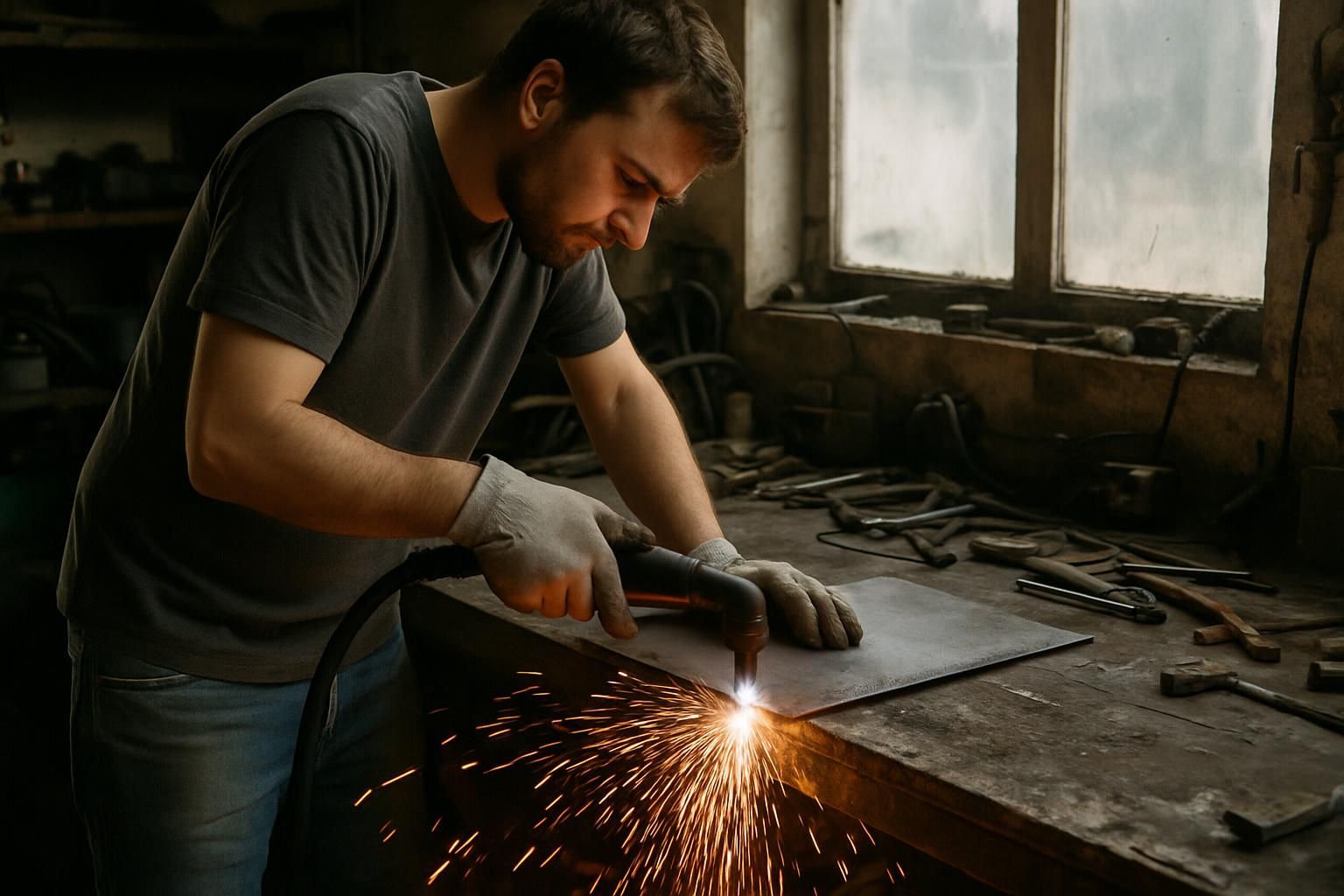
Praca z plazmą wiąże się z poważnymi zagrożeniami związanymi z przegrzaniem i porażeniem elektrycznym, które wymagają odpowiednich protokołów bezpieczeństwa. Różne materiały reagują w unikalny sposób na temperaturę plazmy, co sprawia, że wybór materiału ma kluczowe znaczenie zarówno dla bezpieczeństwa, jak i skuteczności.
Przewodnik dotyczący kompatybilności materiałów
Różne materiały oddziałują wyjątkowo z temperaturami plazmy. Ten przewodnik pomoże Ci dopasować materiały o odpowiednich parametrach czyszczenia plazmowego, aby uzyskać optymalne rezultaty.
| Rodzaj materiału | Kompatybilność temperaturowa | Przetwarzanie notatek |
|---|---|---|
| Metale (aluminium, stal, miedź) | Wysoka tolerancja | Znakomici kandydaci do czyszczenia plazmowego; skutecznie usuwa tlenki |
| Półprzewodniki (krzem, arsenek galu) | Niski do umiarkowanego | Wymaga precyzyjnej kontroli temperatury, aby uniknąć uszkodzeń |
| Elementy szklane/optyczne | Umiarkowany | Korzyści z plazmy niskotemperaturowej; usuwa zanieczyszczenia organiczne bez stresu termicznego |
| Ceramika | Wysoka tolerancja | Obsługuje różne warunki plazmy; doskonały do aktywacji powierzchniowej |
| Polimery/tworzywa sztuczne | Niski | Wrażliwy na ciepło; wymaga technik zimnej plazmy, aby zapobiec stopieniu lub wypaczeniu |
| Próbki biologiczne | Bardzo niski | Wymaga tylko zimnej plazmy; konieczne jest ścisłe monitorowanie temperatury |
| Kompozyty | Różni się w zależności od składu | Zalecane testowanie; limity temperatur określone przez najmniej odporny element |
| Płytki drukowane | Niski do umiarkowanego | Skuteczny do usuwania pozostałości topnika; temperatura nie może uszkodzić podzespołów |
Przetestowałem te parametry w setkach zastosowań przemysłowych. Metale niezmiennie wykazują najlepsze wyniki przy minimalnych obawach związanych z temperaturą.13 Soczewki optyczne dobrze reagują na zimną plazmę, usuwając odciski palców i oleje, nie powodując zniekształceń termicznych. Najtrudniejszymi materiałami są cienkie polimery, które wymagają dokładnego monitorowania temperatury, aby zapobiec zmianom strukturalnym.
Protokoły bezpieczeństwa dla różnych zakresów temperatur
Cięcie plazmowe powoduje powstawanie ekstremalnych temperatur, które wymagają poważnych środków bezpieczeństwa. Pracownicy muszą przestrzegać surowych zasad, aby uniknąć oparzeń, uszkodzeń oczu i innych zagrożeń podczas pracy z plazmą o temperaturze sięgającej 40 000°F.
- Odzież ognioodporna musi zakrywać wszystkie części ciała narażone na działanie ciepła plazmy. 14
- Przyłbice z odpowiednimi filtrami podczerwieni chronią oczy przed intensywnym światłem i szkodliwym promieniowaniem.
- Specjalistyczne rękawice przeznaczone do pracy w wysokich temperaturach zapobiegają poważnym poparzeniom dłoni.
- Prawidłowe systemy wentylacyjne muszą usuwać toksyczne opary powstające podczas operacji plazmowych.
- Materiały żaroodporne powinny wyściełać obszary robocze, aby zapobiec ryzyku pożaru.
- Regularne kontrole sprzętu pomagają wykryć zużyte części, które mogą ulec uszkodzeniu pod wpływem ekstremalnego ciepła.
- Okresy schładzania pomiędzy cięciami zmniejszają ryzyko wypadków spowodowanych przegrzaniem materiałów.
- Znaki zagrożenia termicznego muszą wyraźnie oznaczać wszystkie obszary pracy z plazmą.
- Awaryjne stacje chłodzące należy umieścić w pobliżu stanowisk pracy z plazmą, aby umożliwić szybkie leczenie oparzeń.
- Okulary chroniące przed promieniami UV chronią oczy przed szkodliwym promieniowaniem wytwarzanym przez cięcie plazmowe.
- Programy szkoleniowe muszą uczyć wszystkich pracowników o zagrożeniach związanych z temperaturą plazmy przed rozpoczęciem pracy.
Poradnik praktyczny: Optymalizacja temperatury plazmy dla Twoich zastosowań

Optymalizacja temperatury plazmy dla Twoich zastosowań wymaga starannego planowania i precyzyjnej kontroli. Znajdziesz szczegółowe wytyczne dotyczące wyboru odpowiednich ustawień temperatury w zależności od potrzeb branży i rodzaju materiałów.
Kryteria wyboru w zależności od zastosowania: Temperatura jako kluczowy czynnik
Temperatura odgrywa kluczową rolę w wyborze odpowiedniego systemu plazmowego do konkretnych zastosowań. Aby uzyskać najlepsze rezultaty, różne zadania wymagają różnych temperatur plazmy.
- Systemy plazmy termicznej najlepiej sprawdzają się przy cięciu grubych metali i spawaniu, ponieważ osiągają bardzo wysokie temperatury. 15
- Plazma nietermiczna doskonale nadaje się do obróbki materiałów wrażliwych na ciepło, takich jak tworzywa sztuczne i tkanki biologiczne, bez ich uszkadzania.
- Plazma o temperaturze pokojowej oferuje duże korzyści w zastosowaniach medycznych, ponieważ nie powoduje poparzeń pacjentów podczas leczenia.
- Produkcja elektroniki wymaga precyzyjnej plazmy niskotemperaturowej do czyszczenia powierzchni bez wypaczania delikatnych komponentów.
- Przemysł przetwórstwa spożywczego wykorzystuje zimną plazmę do sterylizacji, zachowując jednocześnie świeżość i pożywność żywności.
- Do czyszczenia części samochodowych potrzebna jest plazma średniotemperaturowa, która usuwa zanieczyszczenia, zachowując jednocześnie integralność metalu.
- Najlepiej sprawdza się obróbka tekstyliów kontrolowana plazma niskotemperaturowa poprawiający właściwości tkaniny bez przypalania.
- Aplikacje do powlekania szkła wymagają dokładnej kontroli temperatury, aby zapewnić odpowiednią przyczepność bez pękania podłoża.
- Części lotnicze często wymagają plazmy wysokotemperaturowej w celu uzyskania specjalistycznych powłok, które wytrzymują ekstremalne warunki.
- Zakłady przetwarzania odpadów wybierają temperaturę plazmy na podstawie konkretnych substancji zanieczyszczających, które muszą rozbić.
Analiza kosztów i korzyści dla różnych branż: zagadnienia dotyczące temperatury
Dokonywanie mądrych wyborów dotyczących temperatury plazmy ma bezpośredni wpływ na wyniki finansowe. Oto jak różne branże równoważą koszty i korzyści:
| Przemysł | Rozważania dotyczące temperatury | Czynniki kosztowe | Korzyści |
|---|---|---|---|
| Produkcja | Wyższe temperatury dla większych prędkości skrawania Niższe temperatury do prac precyzyjnych | Zużycie energii wzrasta wraz z temperaturą Zużycie sprzętu przyspiesza w ekstremalnych temperaturach | 30% szybsze tempo produkcji Mniejsze straty materiału |
| Medyczny | Plazma niskotemperaturowa do materiałów wrażliwych Precyzyjna kontrola sterylizacji | Specjalistyczne systemy chłodzenia Sprzęt sterujący wyższej klasy | Skuteczne niszczenie patogenów Bezpieczna obróbka urządzeń wrażliwych na ciepło |
| Lotnictwo | Podwyższone temperatury w przypadku obróbki metali egzotycznych Kontrolowane chłodzenie w celu radzenia sobie ze stresem | Wymagania dotyczące zasilania klasy premium Zaawansowane systemy monitorowania | Doskonała trwałość komponentów Spełnia rygorystyczne standardy branżowe |
| Środowiskowy | Bardzo wysokie temperatury niszczenia odpadów toksycznych Różne temperatury dla różnych substancji zanieczyszczających | Maksymalne zużycie energii Złożone systemy obsługi gazów | Pełny rozkład niebezpiecznych związków Minimalne wtórne wytwarzanie odpadów |
| Elektronika | Bardzo niskie temperatury do trawienia w nanoskali Ostrożne zarządzanie temperaturą wrażliwych komponentów | Wysokiej klasy precyzyjny sprzęt sterujący Specjalistyczne mieszaniny gazów | Wyższa wydajność urządzenia Lepsza rozdzielczość funkcji |
| Automobilowy | Średnie temperatury do zastosowań związanych z powlekaniem Wysokie temperatury umożliwiające szybkie przetwarzanie | Umiarkowane zapotrzebowanie na energię Odpowiednie wyposażenie standardowe | Zwiększona trwałość części Większa przepustowość produkcji |
Widziałem na własne oczy, jak zmiana temperatury plazmy o zaledwie 50 stopni może obniżyć koszty energii o 15% w operacjach spawania, przy jednoczesnym zachowaniu standardów jakości. Właściwa równowaga temperatur tworzy powłoki ochronne, które znacznie wydłużają żywotność części.15
Uwagi dotyczące wdrożenia: Zapewnienie optymalnej kontroli temperatury
Po rozważeniu czynników kosztowych potrzebne są praktyczne kroki w zakresie kontroli temperatury w systemach plazmowych. Właściwe wdrożenie gwarantuje, że Twój sprzęt będzie działał bezpiecznie i będzie działał najlepiej.
- Zainstaluj odpowiednie systemy chłodzenia, aby zapobiec przegrzaniu podczas długotrwałej pracy.
- Codziennie monitoruj natężenie przepływu gazów, ponieważ mają one bezpośredni wpływ na stabilność temperatury plazmy. 16
- Dostosuj ustawienia mocy w oparciu o grubość materiału, aby uzyskać optymalne wyniki cięcia lub spawania.
- Przed każdym użyciem sprawdź konfigurację systemu, aby zachować stałą regulację termiczną.
- Przeszkol operatorów w zakresie protokołów zarządzania temperaturą, aby uniknąć kosztownych błędów.
- Dopasuj mechanizmy chłodzące do konkretnych wymagań aplikacji.
- Przed pełną produkcją sprawdź przydatność materiału za pomocą serii próbnych.
- Skonfiguruj automatyczną kontrolę temperatury dla procesów wymagających precyzyjnego poziomu ciepła.
- Twórz harmonogramy konserwacji skupiające się na częściach mających wpływ na wydajność cieplną.
- Korzystaj z rejestrowania danych, aby śledzić wzorce temperatur i wcześnie wykrywać problemy.
- W razie potrzeby umieść osłony termiczne, aby chronić wrażliwe elementy sprzętu.
- Regularnie aktualizuj oprogramowanie sterujące, aby uzyskać lepsze funkcje regulacji temperatury. 17
Wniosek: wykorzystanie temperatury plazmy do innowacji i wydajności
Kontrola temperatury plazmy jest sercem współczesnego postępu przemysłowego. Od systemów cięcia po obróbkę powierzchni, opanowanie czwartego stanu materii otwiera drzwi na nowy poziom produkcji.
Doktor Elena Ramirez, fizyk plazmy z ponad 20-letnim doświadczeniem w zastosowaniach termicznych, przedstawia swoją ekspercką opinię. Po uzyskaniu stopnia doktora. z MIT i wiodący badacz w Narodowym Laboratorium Plazmy, dr.
Ramirez opublikował ponad 30 artykułów na temat dynamiki temperatury plazmy.
“Temperatura plazmy to nie tylko liczba – to klucz odblokowujący precyzję cięcia, spawania i powlekania,” Doktor Ramirez wyjaśnia. “Możliwość kontrolowania temperatury i gęstości elektronów pozwala nam dostosować właściwości plazmy do konkretnych materiałów i zadań.
Ta kontrola sprawia, że plazma jest bardziej użyteczna niż tradycyjne źródła ciepła.”.
Dr Ramirez wskazuje, że bezpieczeństwo musi pozostać sprawą najwyższej wagi. “Wszystkie systemy plazmowe wymagają odpowiednich systemów ekranowania i chłodzenia. Użytkownicy powinni przestrzegać ścisłych protokołów, zwłaszcza w przypadku plazmy wysokotemperaturowej przekraczającej 20 000 kelwinów.
Właściwe szkolenie i certyfikacja sprzętu mogą zapobiec większości wypadków.”.
W przypadku codziennego użytku przemysłowego dr Ramirez sugeruje rozpoczęcie od jasnych celów. “Dopasuj temperaturę plazmy do materiału. Stal wymaga innych ustawień niż aluminium. Zacznij od niższych ustawień mocy i dostosuj na podstawie wyników.
Prowadź szczegółowe dzienniki pomyślnych parametrów do wykorzystania w przyszłości.”.
Korzyści wynikające z właściwej kontroli temperatury plazmy obejmują krótszy czas przetwarzania i czystsze cięcia. Jednak dr Ramirez zauważa również pewne wyzwania. “Wysokotemperaturowe systemy plazmowe są droższe i zużywają więcej energii.
Wymagają również większej konserwacji niż prostsze źródła ciepła. W przypadku małych sklepów może to nie mieć sensu finansowego.”.
“Przyszłość technologii plazmowej zależy od lepszych systemów kontroli temperatury,” stwierdza dr Ramirez. “W miarę opracowywania coraz bardziej precyzyjnych metod pomiaru i kontroli plazma znajdzie zastosowanie w większej liczbie gałęzi przemysłu.
Od medycyny po technologię kosmiczną – opanowanie temperatury plazmy będzie motorem kolejnej fali innowacji.
FAQ
1. Co to jest temperatura plazmy i dlaczego jest ważna?
Temperatura plazmy odnosi się do tego, jak gorąco nagrzewa się czwarty stan materii. Ma to znaczenie, ponieważ wpływa na zachowanie plazmy w gwiazdach, badania nad syntezą termojądrową i narzędzia przemysłowe. Wyższe temperatury oznaczają, że cząstki poruszają się szybciej i mają więcej energii.
2. Jak naukowcy mierzą temperaturę plazmy?
Naukowcy używają specjalnych narzędzi, takich jak spektroskopia, do sprawdzania wzorów świetlnych w plazmie. Śledzą także ruch cząstek i poziomy energii. Pomiary te pomagają im zrozumieć, czy plazma jest wystarczająco stabilna, aby można było przeprowadzać eksperymenty.
3. Jaka jest różnica pomiędzy temperaturą elektronów a temperaturą jonów w plazmie?
Temperatura elektronów mówi nam, jak szybko maleńkie elektrony poruszają się w plazmie. Temperatura jonów pokazuje, jak energiczne są większe jony. Często się one różnią, ponieważ w większości układów plazmowych elektrony nagrzewają się szybciej niż jony.
4. Czy plazma może osiągnąć temperaturę wyższą niż słońce?
Tak, plazma w eksperymentach termojądrowych może nagrzać się bardziej niż jądro Słońca. Plazma laboratoryjna osiągnęła miliony stopni, podczas gdy w centrum Słońca utrzymuje się na poziomie około 15 milionów stopni. Te ekstremalne temperatury pomagają naukowcom badać możliwości energii termojądrowej.
Odniesienia
- ^ https://library.fiveable.me/plasma-medicine/unit-1/types-plasmas-thermal-non-thermal/study-guide/EkjXLgHwyvUEgANc
- ^ https://pubs.aip.org/aip/rsi/article/92/4/043520/964540/Measuring-the-electron-temperature-and-identifying
- ^ https://etcnmachining.com/blog/plasma-cutter-temperature/ (2024-08-10)
- ^ https://www.hypertherm.com/en-US/resources/more-resources/blogs/plasma-metal-industry-powerhouse/ (2024-05-17)
- ^ https://www.researchgate.net/(2024-10-22)
- ^ https://www.researchgate.net/publication/223169247_Plasma_physics_and_technology_Industrial_applications
- ^ https://www.amazon.com/Emerging-Developments-Applications-Temperature-Plasma/dp/179988399X
- ^ https://www.researchgate.net/publication/343624901_Effect_of_gas_flow_rate_
- ^ https://www.avma.org/sites/default/files/2020-02/Guidelines-on-Euthanasia-2020.pdf
- ^ https://www.researchgate.net/publication/
- ^ https://www.usfa.fema.gov/downloads/pdf/publications/fa_314.pdf
- ^ https://backlot.aths.org/default.aspx/virtual-library/1173798/SharpPlasmaclusterRefrigeratorManual.pdf
- ^ https://www.sciplasma.com/post/safety-considerations-plasma-cleaning (2024-04-25)
- ^ https://library.fiveable.me/plasma-medicine/unit-11/plasma-device-safety-standards/study-guide/vuQlUIWUBhtRr1E4
- ^ https://pmc.ncbi.nlm.nih.gov/articles/PMC10779006/
- ^ https://science.osti.gov/-/media/fes/pdf/workshop-reports/Low_temp_plasma_workshop_report_sept_08.pdf
- ^ https://www.mdpi.com/2571-6182/7/2/22


