


Beschrijving
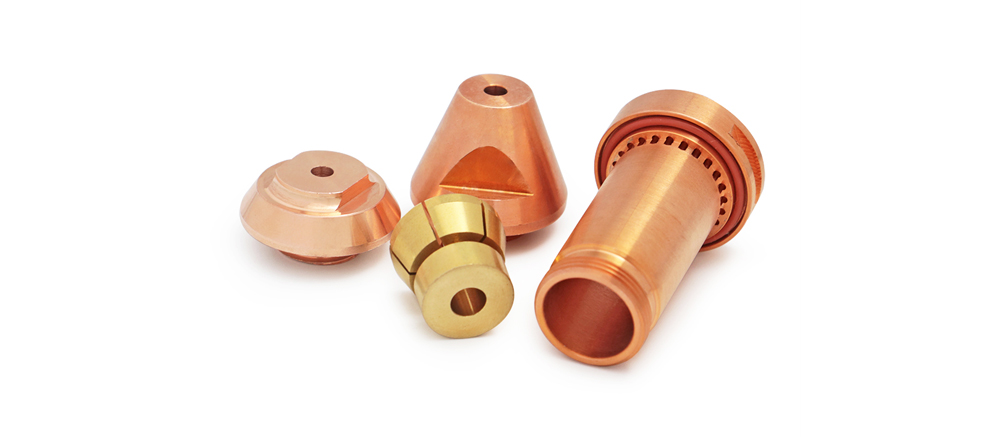
PWM300 Arc Collet 8-6650: de nauwkeurig ontworpen verbinding voor onwrikbare boogstabiliteit
Inleiding: de cruciale schakel in uw plasmasnijcircuit
In het ingewikkelde ecosysteem van een hoogwaardige plasmasnijtoorts moet elk onderdeel feilloos presteren om elektrische energie om te zetten in een nauwkeurige, gecontroleerde snijboog. Hoewel de aandacht zich vaak richt op de verbruiksartikelen aan de punt van de toorts, is de integriteit van het gehele elektrische pad van het grootste belang. De PWM300 boogspantang 8-6650 is de onbezongen held binnen dit circuit: een nauwkeurig vervaardigd onderdeel dat verantwoordelijk is voor het vastzetten van de elektrode en het tot stand brengen van een vlekkeloze elektrische verbinding. Dit is geen eenvoudige klem; het is de speciaal ontworpen interface die zorgt voor maximale krachtoverdracht, optimale warmteafvoer en onwrikbare boogstabiliteit voor uw PWM300-systeem.
Een versleten, vuile of inferieure spantang is een primaire bron van onregelmatige prestaties, waaronder moeilijk starten, inconsistent snijden en voortijdig falen van dure elektroden en mondstukken. De echte PWM300 boogspantang 8-6650 is ontworpen om deze variabele te elimineren. Het is vervaardigd volgens exacte OEM-toleranties van gespecialiseerde materialen en biedt de veilige mechanische grip en elektrisch contact met lage weerstand die essentieel zijn voor professionele resultaten. Deze gids gaat dieper in op de techniek, de cruciale rol en de tastbare voordelen van dit essentiële onderdeel en laat zien waarom dit een niet-onderhandelbaar onderdeel is van een betrouwbaar snijsysteem.

Kernfunctie: de tripartiete rol van de Arc Collet
De PWM300 boogspantang 8-6650 voert drie gelijktijdige, kritische functies uit binnen de toortsconstructie:
-
Precisie mechanische retentie: Het fungeert als een veergespannen klem met hoge tolerantie die de achterkant van de elektrode met consistente kracht vasthoudt. Dit voorkomt elke beweging of trilling en zorgt ervoor dat de elektrode perfect concentrisch blijft in het mondstuk – een vereiste voor een stabiele, cilindrische plasmaboog.
-
Primaire elektrische leiding: De spantang vormt de cruciale elektrische verbinding tussen het toortslichaam/de voedingskabel en de elektrode. Het hele doel ervan is het bieden van een enorm oppervlak van schoon metaal-op-metaal contact, waardoor de elektrische weerstand en de bijbehorende spanningsval en warmteontwikkeling worden geminimaliseerd.
-
Thermische overdrachtsroute: Het dient als secundair koellichaam en helpt thermische energie weg te trekken van de emitter van de elektrode naar de grotere thermische massa van het toortslichaam, wat bijdraagt aan de algehele koeling van het systeem en de levensduur van de slijtdelen.
Belangrijkste voordelen van de PWM300 Arc Collet 8-6650:
-
Zorgt voor een perfecte boogstart: Een schoon contactoppervlak onder hoge druk zorgt keer op keer voor de stabiele hulpboog die nodig is voor een betrouwbare ontsteking.
-
Maximaliseert de snijkracht & Stabiliteit: Minimale elektrische weerstand betekent dat de volledige stroomsterkte van het systeem aan de boog wordt geleverd, wat resulteert in een krachtige, stabiele snede.
-
Verlengt de elektrode & Levensduur mondstuk: Door een perfecte uitlijning te garanderen en elektrische vonken bij de verbinding te verminderen, wordt de onregelmatige slijtage voorkomen die verbruiksartikelen vernietigt.
-
Voorkomt kostbare uitvaltijd van toortsen: Elimineert een veelvoorkomend storingspunt dat kan leiden tot intermitterende werking en moeilijk te diagnosticeren toortsstoringen.
-
OEM-gegarandeerde pasvorm & Prestatie: Speciaal ontworpen voor de PWM300-toorts, waardoor de juiste veerspanning, afmetingen en thermische eigenschappen worden gegarandeerd.
Technische specificaties & Prestatievergelijking
De impact van een spantang van hoge kwaliteit ten opzichte van een gecompromitteerde spantang is diepgaand. De volgende analyse benadrukt waarom de PWM300 boogspantang 8-6650 is een waardegedreven component.
| Parameter | PWM300 Arc Collet 8-6650 (originele OEM) | Versleten/beschadigde spantang | Generieke/onjuiste spantang |
|---|---|---|---|
| Materiaal & Finish | Nauwkeurig bewerkte beryllium-koperlegering; geplateerd voor corrosiebestendigheid. | Geoxideerd, ontpit of thermisch verkleurd oppervlak. | Onbekende legering; vaak slechte oppervlakteafwerking en inconsistente hardheid. |
| Neem contact op met Oppervlakte-integriteit | Volledig, schoon contactoppervlak met ontworpen veerspanning. | Verminderd contactoppervlak als gevolg van putjes, koolstofophoping of spanningsverlies. | Een slechte pasvorm leidt tot puntcontact, waardoor extreme plaatselijke hitte ontstaat. |
| Elektrische weerstand | Minimale, stabiele weerstand voor maximale krachtoverdracht. | Hoge en variabele weerstand, die spanningsval en hitte veroorzaakt. | Zeer hoge weerstand, waardoor de stroomboog wordt uitgehongerd en de verbinding oververhit raakt. |
| Thermisch beheer | Trekt effectief warmte weg van de elektrode. | Werkt als een isolator en houdt warmte vast aan de elektrode. | Vaak raakt het oververhit en wordt het zacht (wordt zacht), waarbij alle klemkracht verloren gaat. |
| Mechanische greep | Consistente, veilige grip op de elektrode. | Door de losse grip kan de elektrode bewegen, waardoor de boogfocus wordt vernietigd. | Mogelijk te strak (beschadigt de elektrode) of te los (veroorzaakt vonken). |
| Waargenomen symptoom | Stabiele hulpboog, consistente snijkwaliteit, voorspelbare levensduur van slijtdelen. | Intermitterende start, “grommen” booggeluid, ongelijkmatige slijtage van de spuitmonden. | Zeer harde start, zwakke snijboog, snelle verkleuring en falen van de elektrodestaart. |
| Systeemkosten | Beschermt elektrode, mondstuk en toorts. | Verspilt elektroden en mondstukken en riskeert schade aan de toorts. | Veroorzaakt systemisch falen en is een primaire oorzaak van “spook” problemen oplossen. |

Materiaalkunde: ontworpen voor geleidbaarheid en veerkracht
De PWM300 boogspantang 8-6650 wordt doorgaans vervaardigd uit berylliumkoper (BeCu) of een gelijkwaardige hoogwaardige legering. Deze materiaalkeuze is strategisch:
-
Uitzonderlijke elektrische geleidbaarheid: Het staat op de tweede plaats na puur zilver onder de koperlegeringen en zorgt voor minimaal vermogensverlies.
-
Hoge sterkte en veereigenschappen: Het kan op precieze afmetingen worden bewerkt en behoudt zijn klemkracht (veerspanning) gedurende duizenden thermische cycli zonder een permanente verharding te ondergaan, in tegenstelling tot gewoon koper.
-
Uitstekende thermische geleidbaarheid: Verwijdert op efficiënte wijze de warmte uit de kritische contactzone.
-
Weerstand tegen gloeien: Behoudt zijn sterkte en temperatuur bij de bedrijfstemperaturen in de toorts, waardoor wordt voorkomen dat deze zacht wordt en grip verliest.
De spantang is ook afgewerkt met een selectieve coating (zoals zilver of nikkel) op de kritische contactoppervlakken. Deze coating voorkomt oxidatie, zorgt voor een oppervlak met een consistent lage weerstand en beschermt tegen microlassen aan de elektrode.
Toepassingsscenario's: wanneer vervanging cruciaal is
Het integreren van een nieuwe PWM300 boogspantang 8-6650 is een belangrijk aspect van preventief onderhoud en probleemoplossing:
-
Geplande fakkelrevisie: Vervangen tijdens groot onderhoud, of na elke 10-15 elektrodewissels in omgevingen met veel gebruik.
-
Problemen met intermitterende boog oplossen: Bij een onbetrouwbare start of een onstabiele boog ondanks nieuwe verbruiksartikelen.
-
Na een defect aan de elektrode: Als een elektrode is vastgesmolten of vastgelast, is het oppervlak van de spantang waarschijnlijk beschadigd en moet deze worden vervangen.
-
Zichtbare slijtage of vervuiling: Bij inspectie of de spantang tekenen van boogvorming (pitting), zware oxidatie of koolstofophoping vertoont.
-
Prestatieherstel: Om een oudere fakkel terug te brengen naar een zo goed als nieuwe elektrische efficiëntie.
Systeemintegratie: gerelateerde componenten en installatie
Voor de PWM300 boogspantang 8-6650 Om correct te kunnen functioneren, moet het deel uitmaken van een schoon, goed onderhouden systeem.
-
Elektrode: Installeer altijd een nieuwe elektrode met een nieuwe spantang. De pasvlakken op beide moeten onberispelijk zijn.
-
Toorts lichaam & Innerlijke componenten: De spantang zit in een toortslichaam of vasthoudmechanisme. Zorg ervoor dat deze boring schoon en onbeschadigd is.
-
Ring & Mondstuk: Hoewel niet direct verbonden, is een stabiele boog van een goed spantang/elektrodepaar essentieel voor een lange levensduur van het mondstuk.
-
Installatieprocedure: Reinig de toortsboring met geschikt gereedschap. Plaats de nieuwe spantang, gevolgd door de nieuwe elektrode. Zorg ervoor dat deze volledig en recht op zijn plaats zit. Volg de aanhaalspecificaties van de fabrikant voor alle bevestigingsonderdelen om te voorkomen dat de spantang bekneld raakt.
Veelgestelde vragen (FAQ)
Vraag 1: Hoe weet ik of mijn PWM300 Arc Collet vervangen moet worden?
A: Inspecteer het tijdens het vervangen van de elektroden. Belangrijke signalen zijn onder meer: zichtbare putjes of verbranding op de contactvlakken, verlies van veerspanning (voelt los), zware verkleuring of koolstofophoping, of als de De staart van de elektrode vertoont tekenen van boogvorming (gesmolten of ruwe textuur). Als u problemen met booginstabiliteit oplost, is het vervangen van de spantang een fundamentele stap.
Vraag 2: Kan ik een vuile spantang schoonmaken in plaats van deze te vervangen?
A: Bij lichte oxidatie is een zorgvuldige reiniging met een niet-schurend schuursponsje of een specifieke elektrische contactreiniger mogelijk. Als er echter putjes, boogvorming of zichtbare slijtage optreden, is vervanging verplicht. Een gereinigd maar ontpit oppervlak zal nog steeds hoge weerstand en oververhitting veroorzaken. De PWM300 boogspantang 8-6650 is een slijtageartikel dat is ontworpen voor periodieke vervanging.
Vraag 3: Is de spantang verschillend voor verschillende stroomsterktes of elektroden?
A: De PWM300 boogspantang 8-6650 is ontworpen als de standaard spantang voor het PWM300-toortsplatform. Het is compatibel met alle standaard PWM300-elektroden binnen het stroomsterktebereik van het systeem. Er is doorgaans geen aparte spantang voor verschillende stroomsterktes; het ontwerp is geschikt voor het volledige bereik door een veilige verbinding met de gestandaardiseerde elektrodeschacht te behouden.
V4: Wat gebeurt er als ik een toorts met een versleten spantang blijf gebruiken?
A: Voortgezet gebruik zal de prestaties verslechteren en de kosten verhogen. De symptomen zullen verergeren, wat leidt tot vaker defecten aan verbruiksartikelen. De verbinding met hoge weerstand genereert overmatige hitte, die de isolatiehulzen van de toorts of zelfs het toortslichaam zelf kan beschadigen, wat tot een veel duurdere reparatie leidt.
Vraag 5: Waarom is OEM belangrijk voor een onderdeel als dit?
A: De PWM300 boogspantang 8-6650 is een elektrisch precisiecomponent. De exacte afmetingen, veerspanning en materiaalsamenstelling zijn gekalibreerd voor de PWM300. Een generieke kopie kan de verkeerde hardheid, slechte geleiding of onjuiste afmetingen hebben, wat leidt tot slechte grip, snelle oververhitting en defecten. Het risico voor de prestaties en veiligheid van de toorts weegt zwaarder dan de minimale initiële besparingen.
Conclusie: Investeer in de basis van elektrische integriteit
De PWM300 boogspantang 8-6650 illustreert dat maximale systeemprestaties afhankelijk zijn van de integriteit van elke schakel in de keten. Door te zorgen voor een perfecte mechanische en elektrische verbinding, stabiliseert het de basis van uw plasmasnijproces. Dit kleine precisieonderdeel beschermt uw investering in verbruiksartikelen, beschermt uw toorts tegen schade door hitte en garandeert de betrouwbare, krachtige boogstart die professioneel werk vereist.
Laat een verouderde verbinding uw snijvermogen niet ondermijnen. Voor onwrikbare boogstabiliteit en beschermde productiviteit maakt u de PWM300 boogspantang 8-6650 een standaardonderdeel van uw onderhoudsregime.
| Naam | Model | Serie |
| Mondstuk/Tip | 8-4370 | PWM300 |
| Mondstuk/Tip | 8-4371 | PWM300 |
| Mondstuk/Tip | 8-4372 | PWM300 |
| Einddop/schildbeker voor plasmamondstuk | 8-4373 | PWM300 |
| Lasfakkelvoering | 8-6509 | PWM300 |
| Mondstuk/Tip | 8-6572 | PWM300 |
| Mondstuk/Tip | 8-6582 | PWM300 |
| Mondstuk/Tip | 8-6648 | PWM300 |
| Mondstuk/Tip | 8-6580 | PWM300 |
| Elektrode | 9-1827 | PWM300 / PWH/M-4A |
| Isolerende hoes | 8-6651 | PWM300 |
| Schildbekerverspreider | 8-6652 | PWM300 |
| Pakking | 8-6512 | PWM300 / PWM-6A |
| Spantang | 8-6650 | PWM300 |
| Elektrode kap | 8-6654 | PWM300 |
| Moer | 8-4018 | PWM300 |
| Adapter | 9-1901 | PWM300 |
| Montage buis | 8-5005 | PWM300 |
| Rondsel montage | 7-2827OEM | PWM300 |
| Bus | 8-4204 | PWM300 |


Beoordelingen
Er zijn nog geen beoordelingen.