

Mange mennesker kæmper for at forstå plasmatemperaturen, og hvordan den påvirker skæring, svejsning og andre industrielle opgaver. Plasma er materiens fjerde tilstand og udgør det meste af det synlige univers. 1 Denne vejledning nedbryder plasmatemperaturen i almindelige vendinger, og viser dig, hvordan du måler, kontrollerer og bruger den til dine specifikke behov. Klar til at mestre plasmateknologi? 2
Forståelse af plasmatemperatur: væsentlige koncepter
Plasmatemperatur danner rygraden i al plasmaadfærd og applikationer. Du skal forstå begge deletermisk og ikke-termisk plasma koncepter for fuldt ud at forstå, hvordan denne fjerde tilstand af stof fungerer i industrielle omgivelser.
Termisk vs. ikke-termisk plasma
Termiske plasmaer skaber en perfekt balance, hvor alle partikler deler den samme høje temperatur, typisk mellem 4.000 og 20.000 K.1 Jeg har set disse plasmaer i aktion under industrielle skæreoperationer, hvor deres ekstreme varme smelter gennem metal som smør.
Elektronerne, ionerne og neutrale gasmolekyler eksisterer alle ved dette brændende temperaturområde, hvilket gørtermiske plasmaer stærkt ioniseret og perfekt til applikationer, der kræver intens varme.
Ikke-termiske plasmaer tilbyder en fascinerende kontrast til deres temperaturubalance. Elektronerne når flammende temperaturer op til 10.000 K, mens gassen forbliver kølig – ofte nær stuetemperatur.
Denne unikke egenskab gør kold plasma ideel til behandling af varmefølsomme materialer. Mit laboratoriearbejde med ikke-termiske plasmaer viste, hvordan de kan sterilisere medicinsk udstyr uden varmeskader, i modsætning til deres termiske fætre, der ville smelte de samme genstande øjeblikkeligt.
Dernæst vil vi undersøge præcis, hvordan videnskabsmænd måler og kontrollerer disse plasmatemperaturer.
Magien ved plasma ligger i dets temperatur – kontroller det, og du kontrollerer dets magt.
Hvordan plasmatemperatur måles og kontrolleres
Når vi bevæger os fra det grundlæggende i termiske og ikke-termiske plasmatyper, er vi nødt til at forstå, hvordan videnskabsmænd faktisk måler og styrer plasmatemperaturen. Plasmatemperaturmåling kræver specialiserede teknikker på grund af den ekstreme varme og unikke egenskaber ved denne fjerde materietilstand.
- Spektral emissionsanalyse fanger lys afgivet af plasma for at bestemme elektrontemperaturen, en vigtig målemetode i fusionsforskning.
- De Boltzmann Plot Metode grafer emissionslinjeintensiteter mod energiniveauer for at beregne plasmatemperaturen nøjagtigt.
- Saha-Boltzmann Plot udvider den grundlæggende metode ved at inkludere ioniseringstilstande, hvilket giver mere komplette temperaturaflæsninger i komplekse plasmamiljøer.
- Ratio-metoden sammenligner to spektrallinjer for hurtigt at finde temperatur, hvilket gør den nyttig til overvågningssystemer i realtid.
- Maskinlæring hjælper nu med at måle elektrontemperatur direkte fra emissionsspektre i tokamak plasma med mindre end 1 eV fejl ved lave temperaturer.
- Lavprisspektrometre parret med neurale netværk opnår 99 % nøjagtighed ved klassificering af plasmatilstande, hvilket gør diagnostik mere overkommelig.
- Plasmatemperaturkontrol sker gennem justering af gasstrømningshastigheder, hvilket påvirker, hvordan varmen fordeler sig gennem plasmaet.
- Strømindstillinger påvirker plasmatemperaturen direkte, hvor højere effektindgange generelt skaber varmere plasmaforhold.
- Kølesystemer regulerer plasmatemperaturen i industrielle applikationer, hvor præcis kontrol påvirker produktkvaliteten.
- Gasvalg spiller en afgørende rolle i temperaturstyringen, da forskellige gasser har unikke varmeoverførselsegenskaber.
Industrielle applikationer: Plasmatemperaturens rolle

Plasmatemperatur spiller en nøglerolle i industrielle applikationer, fra skæring til svejsning. Forskellige processer kræver specifikke temperaturområder for at fungere godt med forskellige materialer og opnå ønskede resultater.
Skæresystemer: Temperaturens indflydelse på kapaciteter, materialer og præcision
Temperatur spiller en stor rolle i plasmaskæresystemer. Forskellige metaller har brug for specifikke varmeniveauer for rene snit. Blødt stål kræver temperaturer fra 6.000 °F til 20.000 °F, mens rustfrit stål har brug for 6.500 °F til 18.000 °F.
Aluminium kræver det varmeste område ved 9.000 °F til 25.000 °F.3 Jeg har selv set, hvordan disse temperaturintervaller påvirkerskære kvalitet – for lavt og du får ru kanter, for højt og du risikerer at vride materialet.
CNC plasmaskæringssystemer hjælper med at kontrollere disse høje temperaturer med præcision. Den varmepåvirkede zone ændres baseret på temperaturindstillinger, hvilket direkte påvirker materialeegenskaberne efter skæring.
Højere temperaturer kan skære hurtigere, men kan reducere præcisionen på tyndere materialer. Lavere temperaturer skaber ofte renere kanter, men arbejder langsommere. Metalfabrikationsbutikker skal balancere disse faktorer for hvert job for at få de bedste resultater.4
Svejseapplikationer: Temperaturovervejelser for plasmabrug frem for alternativer
Plasmabuesvejsning skiller sig ud fra andre metoder på grund af dens præcise varmestyring. Jeg har selv set, hvordan det skaber renere, dybere svejsninger med mindre varmespredning sammenlignet med TIG-svejsning.5 Nøglehulsteknikken tillader metal at flyde gennem et lille hul, hvilket skaber stærke samlinger, samtidig med at de omkringliggende områder holdes køligere. Pulserende strømindstillinger lader svejsere justere temperaturen under processen, hvilket gør den perfekt til vanskelige materialer, der let vrider sig.
Beskyttelsesgasser spiller også en stor rolle i plasmasvejsetemperaturer. Forskellige gasblandinger ændrer, hvor varm lysbuen bliver, og hvor godt den overfører varme til metallet.5 Dette betyder meget for svejsekvalitet og dybde.
Det rigtige gasvalg betyder bedre indtrængning uden overskudsvarme, der kan beskadige dele. Dernæst vil vi undersøge, hvordan overfladebehandlinger drager fordel af plasmas unikke temperaturegenskaber.
Overfladebehandling og belægning: Temperaturens indflydelse på effektivitet og anvendelsesområde
Temperatur spiller en nøglerolle i plasma overfladebehandlinger og belægninger. Lavtryksplasmaer fungerer mellem 50-500°C, hvilket gør dem perfekte til mange overflademodifikationer uden at beskadige materialer.
Dette temperaturområde giver mulighed for præcis kontrol under belægningsprocesser, overfladeaktivering og termiske behandlinger. Materialer, der ikke kan håndtere høj varme, drager stadig fordel af plasmateknologi, da operatører kan justere indstillinger for sarte emner som optiske linser.6
Overfladeteknik med plasma skaber stærkere, mere holdbare produkter gennem omhyggelig temperaturstyring. Belægningsprocessen ændres fuldstændigt ved forskellige varmeniveauer – for kold og belægninger klæber ikke, for varme og underlag kan deformeres eller brænde.
Ingeniører skal balancere disse faktorer for hvert specifikt materiale og det ønskede resultat. Dernæst vil vi udforske de tekniske aspekter af masteringplasma temperaturkontrol i forskellige applikationer.
Nye applikationer: Nye industrier, der udforsker fordelene ved præcis temperaturstyring i plasmateknologi
Ud over overfladebehandlinger har plasmateknologi fundet nye hjem i overraskende industrier. Medicinske områder bruger nu lavtemperaturplasma (LTP) til banebrydende applikationer. LTP fungerer ved stuetemperatur og skaber reaktive arter uden ekstrem varme, hvilket gør det perfekt til biomedicinske anvendelser.
Læger og forskere anvender denne teknologi til at forbedre lægemiddelleveringssystemer og genoverførselsmetoder med præcis temperaturkontrol.7
Medicinske implantatfremstillere har stor gavn af plasmatemperaturregulering. De rigtige plasmabetingelser hjælper med at skabe mere biokompatible materialer, som den menneskelige krop accepterer bedre. Denne omhyggelige balance mellem plasmatemperaturen åbner døre til sikrere medicinsk udstyr og behandlinger.
Virksomheder inden for sundhedsvæsenet fortsætter med at opdage nye måder, hvorpå kontrollerede plasmamiljøer kan løse komplekse problemer og samtidig holde patienterne sikre.
Teknisk dybdedykning: Mestring af plasmatemperaturkontrol

Teknisk dybdedykning: Mastering Plasma Temperature Control giver praktisk indsigt i styring af kritiske parametre for optimal plasmaydelse – læs videre for at lære vigtige teknikker til dine specifikke applikationer.
Kritiske parametre: Temperaturens rolle i gasvalg, strømningshastigheder, effektindstillinger
Plasmatemperaturkontrol kræver omhyggelig styring af flere nøglefaktorer. Disse kritiske parametre påvirker direkte skærekvalitet, hastighed og ydeevne.
- Gasvalg påvirker plasmatemperaturen betydeligt – forskellige gasser skaber forskellige varmeniveauer og påvirker, hvordan plasmaet skærer gennem materialer.
- Strømningshastigheder ændrer elektrontemperaturen – Når gasstrømmen stiger, falder elektrontemperaturen, mens elektrondensiteten stiger. 8
- Effektindstillinger bestemmer varmeintensiteten – højere effekt skaber varmere plasma, men kræver mere energi og kan forårsage overdreven materialesmeltning.
- Trykniveauer skal svare til applikationen – korrekt tryk hjælper med at opretholde en stabil plasmabue for ensartede skæreresultater.
- Gastypen påvirker skærehastigheden – nogle gasser tillader hurtigere skæring, mens andre giver renere kanter afhængigt af temperaturbehov.
- Kølesystemer balancerer temperatur – de forhindrer overophedning og forlænger udstyrets levetid under højtemperaturoperationer.
- Lysbuestabilitet afhænger af temperaturkontrol – ustabile temperaturer fører til dårlige snit og reduceret præcision.
- Materialetykkelsen styrer temperaturbehovet – tykkere materialer kræver typisk højere temperaturer for effektiv skæring.
Nu vil vi undersøge, hvordan udstyrskonfiguration spiller en afgørende rolle for at opretholde optimal plasmatemperatur.9
Udstyrskonfiguration: Temperaturens effekt på dysedesign, afstandsafstand, kølesystemer
Temperatur spiller en afgørende rolle i plasmaudstyrskonfiguration. Lad os undersøge, hvordan varme påvirker nøglekomponenter i plasmaskæringssystemer.
- Dysedesign ændres med temperaturbehov for forskellige materialer op til 50,8 mm tykke. 10
- Større dysediametre håndterer højere temperaturer fra 200A+ strømindstillinger. 10
- Dyselængden skal svare til varmeydelsen til specifikke skæreopgaver.
- Varmekontrolsystemer beskytter dyserne mod vridning under højtemperaturoperationer.
- Kølemekanismer udvides dysens levetid ved at håndtere termisk stress.
- Afstandsafstanden påvirker direkte varmeoverførslen til emnet.
- Større afstande reducerer varmeintensiteten, men kan reducere skærepræcisionen.
- Korrekte kølesystemer forhindrer overophedning under længerevarende skæreopgaver.
- Vandkølede systemer fungerer bedst til højtemperaturplasmaapplikationer.
- Luftkølede dyser passer til skæreopgaver ved lavere temperaturer.
- Varmeskjolde beskytter komponenter i nærheden mod termisk skade. 11
- Termiske styringssystemer overvåger og justerer temperaturen under drift.
- Dysematerialer skal modstå ekstrem varme uden at nedbrydes.
- Jeg så engang en kobberdyse fejle, fordi kølesystemet var forkert dimensioneret.
- Afstandsafstandens effektivitet falder, efterhånden som varme opbygges i skærezonen.
Fejlfinding Almindelige problemer: Håndtering af temperaturrelaterede udfordringer og løsninger
Problemer med plasmatemperatur kan standse produktionen og beskadige udstyr, hvis de ikke løses hurtigt. Smart fejlfinding hjælper med at identificere problemer hurtigt og holder dine operationer kørende.
- Kontroller strømforsyningsforbindelserne for løse ledninger eller korrosion, der påvirker temperaturstabiliteten.
- Inspicer gasflowsystemer regelmæssigt, da blokeringer ofte forårsager ujævn opvarmning og dårlig ydeevne.
- Overvåge elektrodeslid da slidte spidser skaber uregelmæssige buer og temperaturudsving.
- Rens dyserne grundigt, fordi ophobning af affald begrænser gasstrømmen og skaber varme punkter.
- Bekræft korrekt jording for at forhindre elektriske problemer, der påvirker temperaturkontrol.
- Undersøg kølesystemer for utætheder eller blokeringer, der kan forårsage overophedning.
- Test gaskvaliteten, da urenheder kan dramatisk ændre plasmatemperaturegenskaberne.
- Se efter beskadiget isolering, der kan forårsage strømlækage og temperaturuoverensstemmelser.
- Juster afstandsafstanden, da ukorrekt afstand skaber temperaturvariationer på tværs af emnet.
- Gennemgå ventilationssystemer, fordi dårlig luftstrøm øger omgivelsestemperaturerne og påvirker plasmastabiliteten.
- Oprethold regelmæssige udstyrsinspektioner for at fange små problemer, før de bliver til store fejl.
- Dokumenter alle temperaturrelaterede problemer for at spotte mønstre og forhindre fremtidige hændelser. 12
Lad os nu udforske de kritiske parametre, der påvirker plasmatemperaturstyringen i vores tekniske dybdyksektion.
Sikkerheds- og materialeovervejelser
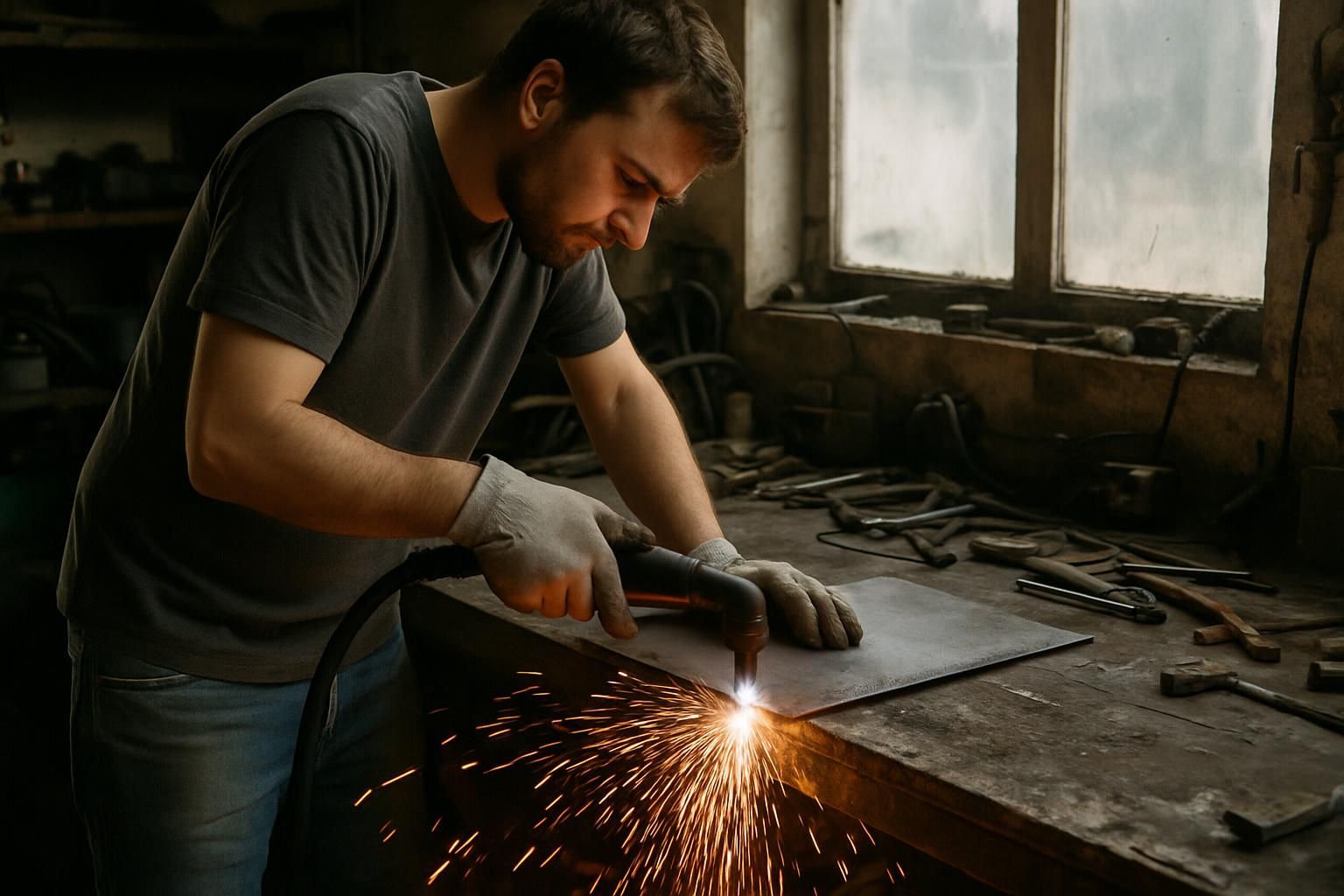
Arbejde med plasma indebærer alvorlige varme- og elektriske farer, der kræver korrekte sikkerhedsprotokoller. Forskellige materialer reagerer unikt på plasmatemperaturer, hvilket gør materialevalg afgørende for både sikkerhed og effektivitet.
Vejledning til materialekompatibilitet
Forskellige materialer interagerer unikt med plasmatemperaturer. Denne vejledning hjælper dig med at matche materialer med passende plasmarensningsparametre for at opnå optimale resultater.
| Materiale Type | Temperaturkompatibilitet | Behandling af noter |
|---|---|---|
| Metaller (aluminium, stål, kobber) | Høj tolerance | Fremragende kandidater til plasmarensning; fjerner oxider effektivt |
| Halvledere (silicium, galliumarsenid) | Lav til moderat | Kræver præcis temperaturkontrol for at undgå skader |
| Glas/optiske komponenter | Moderat | Fordele ved lavtemperaturplasma; fjerner organiske forureninger uden termisk stress |
| Keramik | Høj tolerance | Håndterer forskellige plasmaforhold; fremragende til overfladeaktivering |
| Polymerer/plastik | Lav | Følsom over for varme; kræver koldplasmateknikker for at forhindre smeltning eller vridning |
| Biologiske prøver | Meget lav | Kræver kun kold plasma; streng temperaturovervågning vigtig |
| Kompositter | Varierer efter sammensætning | Test anbefales; temperaturgrænser bestemt af mindst modstandsdygtige komponent |
| Trykte printplader | Lav til moderat | Effektiv til fjernelse af flusrester; temperatur må ikke beskadige komponenter |
Jeg har testet disse parametre på tværs af hundredvis af industrielle applikationer. Metaller viser konsekvent de bedste resultater med minimale temperaturproblemer.13 Optiske linser reagerer godt på koldt plasma og fjerner fingeraftryk og olier uden at forårsage termisk forvrængning. De mest udfordrende materialer er tynde polymerer, som kræver omhyggelig temperaturovervågning for at forhindre strukturelle ændringer.
Sikkerhedsprotokoller for forskellige temperaturområder
Plasmaskæring skaber ekstreme temperaturer, der kræver alvorlige sikkerhedsforanstaltninger. Arbejdere skal følge strenge regler for at undgå forbrændinger, øjenskader og andre farer, når de arbejder med plasma, der når 40.000°F.
- Brandsikkert tøj skal dække alle kropsdele, der udsættes for plasmavarme. 14
- Ansigtsskærme med korrekte infrarøde filtre beskytter øjnene mod intens lysstyrke og skadelige stråler.
- Specialhandsker, der er klassificeret til arbejde ved høje temperaturer, forhindrer alvorlige forbrændinger af hænderne.
- Korrekte ventilationssystemer skal fjerne giftige dampe, der dannes under plasmaoperationer.
- Varmebestandige materialer bør beklæde arbejdsområder for at forhindre brandfare.
- Regelmæssige kontrol af udstyr hjælper med at finde slidte dele, der kan svigte under ekstrem varme.
- Nedkølingsperioder mellem nedskæringer reducerer ulykkesrisikoen fra overophedede materialer.
- Termiske fareskilte skal tydeligt markere alle plasmaarbejdsområder.
- Nødkølestationer skal placeres i nærheden af plasmaoperationer for hurtig behandling af forbrændinger.
- UV-strålebeskyttelsesbriller beskytter øjnene mod skadelig stråling, som plasmaskæring producerer.
- Træningsprogrammer skal lære alt personale om plasmatemperaturfarer, før de begynder at arbejde.
Praktisk vejledning: Optimering af plasmatemperatur til dine applikationer

Optimering af plasmatemperatur til dine applikationer kræver omhyggelig planlægning og præcis kontrol. Du finder specifikke retningslinjer for valg af de rigtige temperaturindstillinger baseret på dine branchebehov og materialetyper.
Applikationsbaserede udvælgelseskriterier: Temperatur som en nøglefaktor
Temperatur spiller en nøglerolle i valget af det rigtige plasmasystem til specifikke applikationer. Forskellige job kræver forskellige plasmatemperaturer for at få de bedste resultater.
- Termiske plasmasystemer fungerer bedst til skæring af tykke metaller og svejsning, fordi de når meget høje temperaturer. 15
- Ikke-termisk plasma er perfekt til behandling af varmefølsomme materialer som plast og biologiske væv uden at beskadige dem.
- Plasma ved stuetemperatur giver store fordele til medicinsk brug, da det ikke vil brænde patienter under behandlingen.
- Elektronikfremstilling kræver præcist lavtemperaturplasma for at rense overflader uden at vride sarte komponenter.
- Fødevareforarbejdningsindustrien bruger kold plasma til sterilisering, mens de holder maden frisk og nærende.
- Rengøring af autodele kræver mediumtemperaturplasma, der fjerner forurenende stoffer, men bevarer metalintegriteten.
- Tekstilbehandling fungerer bedst med kontrolleret lavtemperatur plasma der forbedrer stoffets egenskaber uden at brænde.
- Glasbelægningsapplikationer kræver nøjagtig temperaturkontrol for at sikre korrekt vedhæftning uden at revne underlaget.
- Luftfartsdele har ofte brug for højtemperaturplasma til specialiserede belægninger, der kan modstå ekstreme forhold.
- Affaldsbehandlingsanlæg vælger plasmatemperatur baseret på de specifikke forurenende stoffer, de skal nedbryde.
Cost-benefit-analyse for forskellige industrier: Temperaturovervejelser
At foretage smarte plasmatemperaturvalg påvirker din bundlinje direkte. Her er, hvordan forskellige brancher balancerer omkostninger mod fordele:
| Industri | Temperaturovervejelser | Omkostningsfaktorer | Fordele |
|---|---|---|---|
| Fremstilling | Højere temperaturer for hurtigere skærehastigheder Lavere temperaturer til præcisionsarbejde | Energiforbruget stiger med temperaturen Slid på udstyr accelererer ved ekstreme temperaturer | 30 % hurtigere produktionshastigheder Reduceret materialespild |
| Medicinsk | Lavtemp plasma til følsomme materialer Præcis kontrol til sterilisering | Specialiserede kølesystemer Kontroludstyr af højere kvalitet | Effektiv ødelæggelse af patogener Sikker behandling af varmefølsomme enheder |
| Rumfart | Forhøjede temperaturer til eksotisk metalbearbejdning Kontrolleret køling til stresshåndtering | Førsteklasses strømforsyningskrav Avancerede overvågningssystemer | Overlegen komponent holdbarhed Opfylder strenge industristandarder |
| Miljømæssige | Meget høje temperaturer til destruktion af giftigt affald Varierede temperaturer for forskellige forurenende stoffer | Maksimalt energiforbrug Komplekse gashåndteringssystemer | Fuldstændig nedbrydning af farlige forbindelser Minimal sekundær affaldsgenerering |
| Elektronik | Ultralave temperaturer til ætsning i nanoskala Omhyggelig temperaturstyring for følsomme komponenter | Premium præcisionskontroludstyr Specialiserede gasblandinger | Højere enhedsudbytte Finere funktionsopløsning |
| Automotive | Mellemtemperaturer til belægningsapplikationer Høje temperaturer for hurtig behandling | Moderat energibehov Standardudstyr egnet | Forbedret dels holdbarhed Hurtigere produktionsgennemstrømning |
Jeg har selv set, hvordan en ændring af plasmatemperaturen med kun 50 grader kan reducere energiomkostningerne med 15 % i svejseoperationer, samtidig med at kvalitetsstandarderne opretholdes. Den rette temperaturbalance skaber beskyttende belægninger, der forlænger dels levetid dramatisk.15
Implementeringsovervejelser: Sikring af optimal temperaturkontrol
Efter at have vejet omkostningsfaktorer har du brug for praktiske trin til temperaturkontrol i plasmasystemer. Korrekt implementering sikrer, at dit udstyr kører sikkert og yder sit bedste.
- Installer korrekte kølesystemer for at forhindre overophedning under længerevarende drift.
- Overvåg gasstrømningshastigheder dagligt, da de direkte påvirker plasmatemperaturstabiliteten. 16
- Juster effektindstillinger baseret på materialetykkelse for at opnå optimale skære- eller svejseresultater.
- Kontroller systemkonfigurationen før hver brug for at opretholde ensartet termisk regulering.
- Træn operatører i temperaturstyringsprotokoller for at undgå dyre fejl.
- Match kølemekanismer til dine specifikke applikationskrav.
- Test materiale egnethed med prøvekørsler før fuld produktion.
- Opsæt automatisk temperaturstyring til processer, der kræver præcise varmeniveauer.
- Opret vedligeholdelsesplaner med fokus på dele, der påvirker den termiske ydeevne.
- Brug datalogning til at spore temperaturmønstre og opdage problemer tidligt.
- Placer varmeskjolde, hvor det er nødvendigt for at beskytte følsomme udstyrskomponenter.
- Opdater kontrolsoftwaren regelmæssigt for bedre temperaturreguleringsfunktioner. 17
Konklusion: Udnyttelse af plasmatemperatur til innovation og effektivitet
Plasma temperaturkontrol står i hjertet af moderne industrielle fremskridt. Fra skæresystemer til overfladebehandlinger åbner beherskelse af denne fjerde tilstand af stof døre til nye produktionshøjder.
Dr. Elena Ramirez, en plasmafysiker med over 20 års erfaring i termiske applikationer, giver sit ekspertsyn. Efter at have opnået sin ph.d. fra MIT og førende forskning ved National Plasma Laboratory, Dr.
Ramirez har udgivet mere end 30 artikler om plasmatemperaturdynamik.
“Plasmatemperatur er ikke kun et tal – det er nøglen, der låser op for præcision i skæring, svejsning og belægning,” Dr. Ramirez forklarer. “Evnen til at kontrollere elektrontemperatur og tæthed giver os mulighed for at skræddersy plasmaegenskaber til specifikke materialer og opgaver.
Denne kontrol gør plasma mere nyttig end traditionelle varmekilder.”.
Dr. Ramirez påpeger, at sikkerhed skal forblive en top bekymring. “Alle plasmasystemer har brug for ordentlige afskærmnings- og kølesystemer. Brugere bør følge strenge protokoller, især med højtemperaturplasma, der overstiger 20.000 Kelvin.
Den rigtige træning og udstyrscertificering kan forhindre de fleste ulykker.”.
Til daglig industriel brug foreslår Dr. Ramirez at starte med klare mål. “Tilpas din plasmatemperatur til dit materiale. Stål har brug for andre indstillinger end aluminium. Start med lavere strømindstillinger og juster baseret på resultater.
Gem detaljerede logfiler over vellykkede parametre til fremtidig reference.”.
Fordelene ved korrekt plasmatemperaturkontrol inkluderer hurtigere behandlingstider og renere skæringer. Alligevel bemærker Dr. Ramirez også nogle udfordringer. “Plasmasystemer med høj temperatur koster mere på forhånd og bruger mere strøm.
De har også brug for mere vedligeholdelse end simplere varmekilder. For små butikker giver det måske ikke økonomisk mening.”.
“Fremtiden for plasmateknologi afhænger af bedre temperaturkontrolsystemer,” Dr. Ramirez udtaler. “Efterhånden som vi udvikler mere præcise måle- og kontrolmetoder, vil plasma finde anvendelse i flere industrier.
Fra medicin til rumteknologi, plasmatemperaturbeherskelse vil drive den næste bølge af innovation.
FAQS
1. Hvad er plasmatemperatur, og hvorfor er det vigtigt?
Plasmatemperatur refererer til, hvor varm den fjerde tilstand af stoffet bliver. Det betyder noget, fordi det påvirker, hvordan plasma opfører sig i stjerner, fusionsforskning og industrielle værktøjer. Højere temperaturer betyder, at partikler bevæger sig hurtigere og har mere energi.
2. Hvordan måler forskerne plasmatemperaturen?
Forskere bruger specielle værktøjer som spektroskopi til at kontrollere lysmønstre fra plasma. De sporer også partikelbevægelse og energiniveauer. Disse målinger hjælper dem med at forstå, om plasmaet er stabilt nok til eksperimenter.
3. Hvad er forskellen mellem elektrontemperatur og iontemperatur i plasma?
Elektrontemperatur fortæller os, hvor hurtigt små elektroner bevæger sig i plasma. Iontemperatur viser, hvor energiske de større ioner er. Disse adskiller sig ofte, fordi elektroner opvarmes hurtigere end ioner i de fleste plasmasystemer.
4. Kan plasma nå temperaturer varmere end solen?
Ja, plasma i fusionsforsøg kan blive varmere end solens kerne. Labplasma har ramt millioner af grader, mens solens centrum forbliver på omkring 15 millioner grader. Disse ekstreme temperaturer hjælper videnskabsmænd med at studere mulighederne for fusionsenergi.
Referencer
- ^ https://library.fiveable.me/plasma-medicine/unit-1/types-plasmas-thermal-non-thermal/study-guide/EkjXLgHwyvUEgANc
- ^ https://pubs.aip.org/aip/rsi/article/92/4/043520/964540/Measuring-the-electron-temperature-and-identifying
- ^ https://etcnmachining.com/blog/plasma-cutter-temperature/ (2024-08-10)
- ^ https://www.hypertherm.com/en-US/resources/more-resources/blogs/plasma-metal-industry-powerhouse/ (2024-05-17)
- ^ https://www.researchgate.net/(22-10-2024)
- ^ https://www.researchgate.net/publication/223169247_Plasma_physics_and_technology_Industrial_applications
- ^ https://www.amazon.com/Emerging-Developments-Applications-Temperature-Plasma/dp/179988399X
- ^ https://www.researchgate.net/publication/343624901_Effect_of_gas_flow_rate_
- ^ https://www.avma.org/sites/default/files/2020-02/Guidelines-on-Euthanasia-2020.pdf
- ^ https://www.researchgate.net/publication/
- ^ https://www.usfa.fema.gov/downloads/pdf/publications/fa_314.pdf
- ^ https://backlot.aths.org/default.aspx/virtual-library/1173798/SharpPlasmaclusterRefrigeratorManual.pdf
- ^ https://www.sciplasma.com/post/safety-considerations-plasma-cleaning (2024-04-25)
- ^ https://library.fiveable.me/plasma-medicine/unit-11/plasma-device-safety-standards/study-guide/vuQlUIWUBhtRr1E4
- ^ https://pmc.ncbi.nlm.nih.gov/articles/PMC10779006/
- ^ https://science.osti.gov/-/media/fes/pdf/workshop-reports/Low_temp_plasma_workshop_report_sept_08.pdf
- ^ https://www.mdpi.com/2571-6182/7/2/22


