XPR300 Plasma Shield 420228: The Advanced Protective System for Maximized Performance and Extended Consumable Life
Introduction: The Critical Guardian of Plasma Cutting Precision
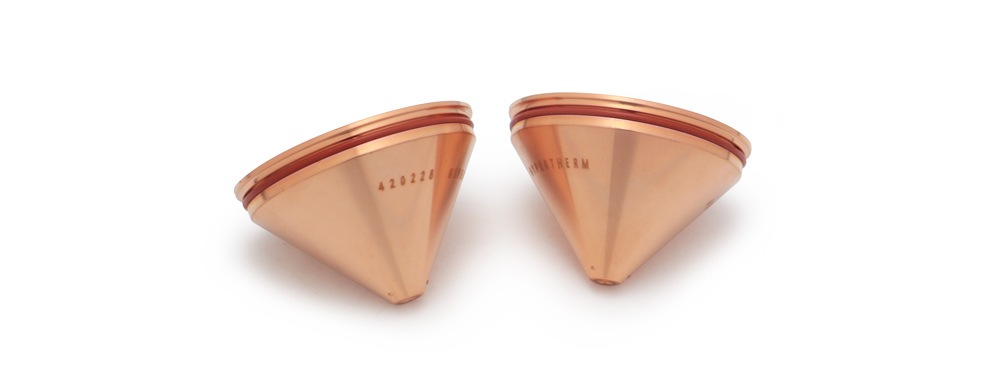
In the demanding environment of industrial plasma cutting, the final frontier of system performance is defined by a component that shields both the process and the investment. For operators of the high-performance Hypertherm XPR300 system, the integrity of the cutting arc and the lifespan of critical internal consumables hinge on the protection provided by the shield. The XPR300 Plasma Shield 420228 represents the culmination of advanced engineering in protective components—a genuine OEM shield meticulously designed to manage secondary gas flow, deflect destructive spatter, and ensure the perfect operating environment for the plasma arc. This comprehensive article examines the sophisticated design, multifaceted benefits, and indispensable role of the XPR300 Plasma Shield 420228 in achieving consistent, high-quality cutting results and minimizing total operational costs.
The Multifunctional Role of the Plasma Shield
The plasma shield cup is the outermost consumable component, serving as a critical interface between the precision of the torch and the harsh realities of the cutting process. The XPR300 Plasma Shield 420228 is engineered to perform several simultaneous, vital functions:
Primary Physical Protection: It acts as a sacrificial barrier, absorbing and deflecting molten metal spatter, sparks, and thermal radiation that would otherwise adhere to and degrade the nozzle and retaining cap, disrupting gas dynamics and arc stability.
Precision Secondary Gas Management: Equipped with strategically designed ports, the XPR300 Plasma Shield 420228 precisely controls the flow of shield gas (such as air or nitrogen). This creates a stabilizing envelope around the plasma arc, cooling the nozzle and often improving edge quality by blowing away molten debris.
Torch Standoff and Height Reference: The physical design provides a consistent reference point for torch-to-workpiece distance, crucial for both manual operation and automated height control systems to maintain optimal cutting parameters.
Process Containment and Safety: The shield helps contain the arc and byproducts within a defined area, contributing to a safer, more controlled working environment and protecting the torch body from accidental contact.
Engineering Excellence: Deconstructing the XPR300 Plasma Shield 420228
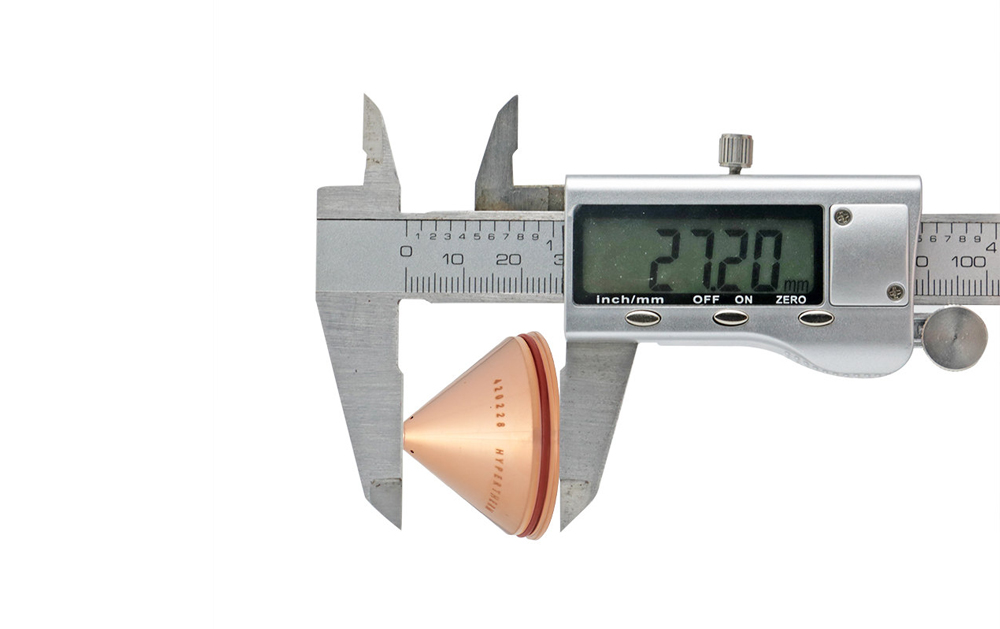
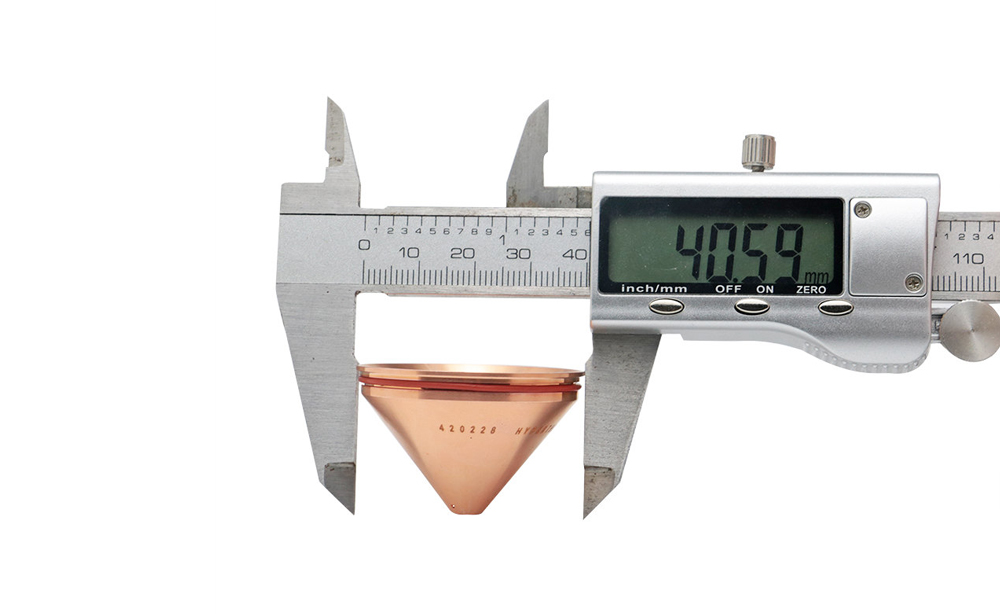
The part number 420228 signifies a shield designed to meet the rigorous demands of the XPR300 platform. Its construction reflects a balance of durability, thermal management, and precise fluid dynamics.
Key Design Features and Material Innovations:
-
High-Temperature Alloy Construction: The XPR300 Plasma Shield 420228 is fabricated from a proprietary, heat-resistant steel alloy engineered to withstand extreme and repeated thermal cycling without warping or significant degradation. This maintains critical standoff distance and port alignment.
-
Optimized Gas Port Geometry: The number, size, and angular orientation of the shield gas ports are the result of computational fluid dynamics (CFD) analysis. This design ensures a uniform, laminar flow of secondary gas, maximizing its cooling and cleansing effect on the cut zone without disturbing the primary plasma jet.
-
Advanced Anti-Spatter Coating: A specialized, high-temperature coating is applied to significantly reduce the adhesion of molten spatter. This coating allows accumulated spatter to be removed more easily with a brush or tap, extending the shield’s functional life and simplifying maintenance.
-
Precision Machining for Perfect Alignment: Threads and seating surfaces are machined to exact tolerances, ensuring a secure, concentric fit with the retaining cap. This alignment is critical for maintaining symmetrical gas flow and consistent cut quality.
-
Reinforced Structural Design: Critical wear areas, particularly around the gas ports and the front lip, are reinforced to resist erosion from the high-velocity plasma effluent and physical abrasion.
Technical Specifications and Performance Comparison
Table 1: Performance and value comparison of the genuine XPR300 Plasma Shield 420228 versus typical aftermarket alternatives.
Compelling Advantages and Operational Benefits
-
Maximized Internal Consumable Life: By effectively blocking spatter and managing secondary gas for cooling, the XPR300 Plasma Shield 420228 directly protects the more expensive nozzle and electrode. This symbiotic relationship allows the entire consumable set to reach its maximum engineered lifespan, significantly reducing consumable costs.
-
Enhanced and Consistent Cut Quality: Consistent, well-directed shield gas flow helps produce cleaner cuts with reduced dross adherence on the bottom of the plate. A shield that maintains its shape and clean ports ensures this benefit is sustained throughout its life.
-
Reduced Maintenance Downtime and Labor: The advanced anti-spatter coating transforms maintenance. Instead of chiseling welded spatter, operators can quickly clean the shield with a brush, keeping the torch in service longer and reducing non-productive labor time.
-
Improved Process Stability for Automation: In automated cutting cells, predictability is key. The durability and consistent performance of the 420228 shield contribute to stable, unmanned operation over extended periods, supporting lights-out manufacturing goals.
-
Protection of Capital Equipment: As a sacrificial component, the shield absorbs impacts and abuse that could otherwise damage the torch body—a far more costly repair. It is the first line of defense for your entire torch investment.
Ideal Application Scenarios
The XPR300 Plasma Shield 420228 is engineered for performance across a spectrum of demanding industrial applications:
-
Heavy Fabrication and Structural Steel: Processing thick plate where high amperages generate substantial spatter and heat.
-
General Manufacturing and Job Shops: High-mix environments that require a reliable, all-purpose shield for various materials (mild steel, stainless) and gases.
-
High-Volume Production Cutting: Operations where extended consumable life and minimal unscheduled stops are critical to meeting production targets.
-
Environments with Standard Secondary Gases: Ideal for use with air or nitrogen as a shield gas, where its port design is optimized for performance.
-
Automated Cutting Systems: Where component reliability and predictable lifespan are necessary for planning maintenance intervals.
System Integration and Complementary Consumables
To achieve the full performance intended by the XPR300 system design, the Plasma Shield 420228 must be part of a complete, matched consumable set.
Essential Related Components:
-
XPR300 Retaining Cap (420226): The component to which the shield directly threads. It must be in good condition to ensure proper alignment and seal.
-
XPR300 Nozzle (420225 or 420315): The critical component protected by the shield. Always use the correct, genuine nozzle specified for your cutting process.
-
XPR300 Electrode (420224 or 420356): Changed as a matched set with the nozzle for optimal arc characteristics.
-
XPR300 Swirl Ring (420223): Ensures the proper primary gas vortex; a worn ring will degrade cut quality regardless of shield condition.
Best Practice Recommendation: While the shield often lasts longer than the nozzle/electrode pair, inspect it at every consumable change. Clean it thoroughly and check for damage or coating wear. Replace the XPR300 Plasma Shield 420228 as part of a preventative maintenance schedule to avoid unexpected process degradation.
Conclusion: An Investment in Process Integrity and Cost Management
The XPR300 Plasma Shield 420228 exemplifies a strategic approach to plasma consumables. It transforms a simple protective cap into an active, performance-enhancing component that safeguards quality, productivity, and equipment. Choosing a generic substitute may appear to save cost initially, but it risks introducing process variability, increasing consumable consumption, and raising long-term operational expenses.
For fabricators and manufacturers who rely on the robust performance of the XPR300 system, specifying the genuine XPR300 Plasma Shield 420228 is a decisive step toward achieving predictable, high-quality results and minimizing total cost of ownership. It is not just a part—it is a vital component of your cutting process’s success.
Frequently Asked Questions (FAQ)
Q1: How often should I replace the XPR300 Plasma Shield 420228?
A: It does not need replacement as frequently as the nozzle. Inspect it with each consumable change. Replace the shield when the anti-spatter coating is worn away and spatter adheres strongly, when gas ports become obstructed and cannot be cleaned, or if there is any physical damage (cracks, severe warping, or a melted lip).
Q2: What is the proper way to clean this shield?
A: Allow it to cool. Use a brass wire brush (softer than the shield material) or a non-marring tool to tap off spatter. The advanced coating should prevent deep welding of spatter, making cleanup relatively easy. Avoid aggressive steel tools that can damage the coating.
Q3: Can I use this shield with all types of plasma and shield gases?
A: The XPR300 Plasma Shield 420228 is designed for use with the standard range of XPR300 processes. It is compatible with different plasma gases (O2, N2, Air) and is optimized for standard shield gases like air. For specialized gas mixes (e.g., H35), always verify the recommended consumable kit in your system’s cut charts.
Q4: What happens if I run the torch without a shield?
A: This is strongly discouraged. The nozzle and retaining cap will be exposed to direct spatter and physical damage, leading to almost immediate failure, poor cuts, and potential damage to the torch body itself. The shield is a required safety and performance component.
Q5: Why does my shield wear out so quickly?
A: Rapid shield degradation can be caused by extremely spatter-intensive applications (e.g., cutting heavily painted or rusted plate), excessively high amperage for the material thickness, or improper standoff distance causing the shield to contact the workpiece. For extreme conditions, consult your manual for process recommendations.


Reviews
There are no reviews yet.