


Description
Thermal Dynamics 22-1002 Plasma Torch Body: The Engineered Core of Your Cutting System’s Reliability
Introduction: Rebuilding the Foundation of Precision
In the demanding world of professional plasma cutting, performance degradation is rarely sudden. It’s a gradual decline—an increase in erratic arcs, a subtle loss of cut quality, or inconsistent consumable life. Often, the root cause isn’t the consumables themselves, but the component that holds everything together: the Plasma Torch Body. For users of compatible Thermal Dynamics systems, the Thermal Dynamics 22-1002 Plasma Torch Body is not just a spare part; it is a complete system rebuild kit in one component. It represents the definitive solution for restoring factory-fresh performance, eliminating persistent issues, and ensuring the precision alignment and electrical integrity that your work demands.
A worn or compromised torch body is the silent saboteur of any plasma system. It can cause gas leaks that ruin cut quality, poor electrical contact that leads to unstable arcs, and misaligned threads that destroy consumables prematurely. Replacing worn nozzles and electrodes without addressing a failing torch body is like putting new tires on a car with a bent frame. This guide will explore why the Thermal Dynamics 22-1002 Plasma Torch Body is the critical investment for long-term reliability, detailing its OEM engineering, robust construction, and the comprehensive benefits of a torch-body-level overhaul.

Core Function: The Multifaceted Role of the Torch Body
The Thermal Dynamics 22-1002 Plasma Torch Body is the central nervous system and structural backbone of your plasma torch. It performs several non-negotiable functions simultaneously:
-
Precision Alignment Hub: It provides the machined sealing surfaces and threads that ensure the nozzle, swirl ring, and electrode are perfectly concentric. Any deviation here causes asymmetric plasma arcs, poor cut quality, and uneven consumable wear.
-
Primary Electrical Conduit: It conducts the full cutting current (often 45-65A for compatible models) from the power cable to the electrode with minimal resistance. Corroded or pitted internal contacts cause voltage drops, heat buildup, and weak arcs.
-
Gas & Cooling Flow Manager: It contains the intricate internal passages that deliver both plasma and shield gas at the correct pressure and swirl. It also interfaces with coolant channels in water-cooled models. Erosion or blockage here disrupts the entire cutting process.
-
Mechanical Foundation: It withstands the physical stress of daily use, including the torque from consumable changes and occasional impacts.
Key Advantages of the Thermal Dynamics 22-1002 Plasma Torch Body:
-
Restores 100% OEM Performance: Returns your torch to its original factory specifications for alignment, conductivity, and gas dynamics.
-
Eliminates Chronic Process Issues: Solves recurring problems like poor starts, gas leaks, or inconsistent cut quality that consumable changes can’t fix.
-
Extends Consumable Lifespan: A perfectly aligned body ensures nozzles and electrodes wear evenly and predictably, maximizing their value.
-
Prevents Costly Downtime: Replaces a potential point of catastrophic failure (e.g., a fully stripped thread) before it happens.
-
Enhances Safety: Ensures proper electrical grounding and gas containment, which are critical for operator and equipment safety.
Technical Specifications & Comparative Analysis
Understanding the engineered quality of the Thermal Dynamics 22-1002 Plasma Torch Body requires a look at what sets it apart from universal or substandard alternatives.
| Feature | Thermal Dynamics 22-1002 Plasma Torch Body (OEM Genuine) | Universal/Aftermarket Torch Body | Impact on Your Operation |
|---|---|---|---|
| Material & Construction | High-Strength, Temperature-Rated Engineered Polymer or Composite | Generic plastic; unknown thermal properties | OEM material won’t soften or crack under high heat, ensuring long-term dimensional stability. |
| Internal Passage Finish | Precision-molded/machined; smooth walls for laminar flow | Rough, irregular surfaces from lower-quality molds | Prevents turbulent gas flow, ensuring consistent shield gas coverage and arc stability. |
| Thread Integrity & Plating | Reinforced, metal-insert threads or wear-coated surfaces | Basic molded plastic threads | Threads won’t strip during consumable changes, protecting your investment and preventing leaks. |
| Electrical Contact Design | Optimized contact springs/pads for positive, low-resistance connection | Simple contacts prone to corrosion and loss of tension | Ensures full power transfer, eliminates intermittent arcs and voltage-related cut issues. |
| Dimensional Tolerance | CNC-machined or precision-molded to exact OEM blueprints | Loose tolerances from “fits-many” design | Guarantees perfect consumable alignment. This alone can double nozzle/electrode life. |
| Long-Term Reliability | Designed for thousands of operational hours | Unpredictable lifespan | Eliminates the risk of mid-job failure, providing peace of mind and predictable maintenance. |

Material Science: Engineered for the Environment
The Thermal Dynamics 22-1002 Plasma Torch Body is constructed from advanced materials chosen for a specific balance of properties. It is typically made from a high-temperature, glass-filled polymer composite. This material is selected because it:
-
Is an Electrical Insulator: Safely contains high-voltage components.
-
Has High Mechanical Strength: Withstands the torque of installation and consumable changes without cracking.
-
Resists Thermal Deformation: Maintains its shape and thread integrity even when the torch operates at high duty cycles.
-
Is Chemically Inert: Resists degradation from ozone and other byproducts generated by the plasma arc.
Critical metal inserts—such as the threaded front-end consumable seat and electrical contact points—are made from brass or copper alloys with corrosion-resistant plating. This ensures excellent electrical conductivity and prevents seizing or galling, which can make consumables impossible to remove.
Ideal Application Scenarios
Investing in a Thermal Dynamics 22-1002 Plasma Torch Body is a strategic move in several situations:
-
Torch Rehabilitation: Restoring an older, well-used torch that has performance issues or visible wear.
-
Post-Failure Repair: Replacing a torch body damaged by a crash, cross-threading, or heat distortion.
-
Preventive Maintenance: For high-use torches in production environments, proactively replacing the body as part of a major service overhaul.
-
Solving “Unexplained” Consumable Issues: When you go through nozzles/electrodes too quickly or can’t achieve good cuts despite new consumables.
-
Building a Reliable Backup Torch: Creating a ready-to-go spare for critical operations to minimize downtime.
System Integration: Related Components for a Complete Rebuild
Installing a new Thermal Dynamics 22-1002 Plasma Torch Body is the perfect time to renew the entire front-end system. Key related parts include:
-
Torch Lead/Cable Assembly: Inspect the cable for cracks and the connector for bent pins. Consider replacement if worn.
-
Complete Consumable Kit (Nozzle, Electrode, Swirl Ring, Shield Cap): Start fresh with a new, matched set to pair with the new body’s perfect alignment.
-
Insulator & O-Ring Kit: Always use new insulation sleeves and o-rings to ensure proper electrical isolation and gas sealing.
-
Cooling System Components (if applicable): For water-cooled models, inspect and replace o-rings on the coolant loop connections.

Frequently Asked Questions (FAQ)
Q1: How do I know if my torch needs a new Thermal Dynamics 22-1002 Plasma Torch Body?
A: Look for these signs: Visible damage (cracks, melted areas, stripped threads), persistent gas leaks from the front end even with new o-rings, difficulty screwing in consumables (cross-threading), or chronic performance problems (unstable arc, poor cuts) that continue after replacing all other consumables. If consumables show severe, asymmetric wear, the body is likely misaligned.
Q2: Is the 22-1002 Body compatible with my specific Thermal Dynamics machine?
A: The Thermal Dynamics 22-1002 Plasma Torch Body is designed for specific torch models (commonly those used with Thermal Dynamics’ 45-65A class machines). Compatibility is not universal. You must verify the part number against your torch’s exact model number. Check your operator’s manual, the parts diagram on the Thermal Dynamics website, or consult with an authorized dealer. Using the wrong body can be dangerous and will damage your system.
Q3: Can I install this torch body myself, or do I need a technician?
A: If you are mechanically adept and understand plasma system safety (electrical discharge, gas pressure), you can perform the installation by carefully following the service manual. It involves disconnecting power and gas, transferring internal components (like the trigger mechanism and swirl ring retainer), and reassembling with new o-rings. If you are unsure, having a certified technician perform the installation is a wise investment to ensure safety and correctness.
Q4: Will a new torch body really improve my cut quality?
A: Absolutely, if your old body was worn. A new Thermal Dynamics 22-1002 Plasma Torch Body restores perfect alignment and gas flow. This means your plasma arc is symmetrical and properly shielded, directly resulting in squarer cuts, less dross, and more consistent edges. It eliminates the variable of a worn foundation.
Q5: What is the proper maintenance to extend the life of my new torch body?
A:
-
Hand-Tighten Consumables: Never over-torque nozzles and shields; use hand pressure only.
-
Keep it Clean: Regularly clean spatter from the front end to prevent buildup that can affect seating.
-
Use Anti-Seize Sparingly: A tiny amount of high-temperature anti-seize on the external threads of the retaining cap can prevent galling.
-
Inspect Regularly: During consumable changes, quickly check the body’s threads and sealing surface for damage.
Conclusion: The Foundational Investment for Long-Term Performance
The Thermal Dynamics 22-1002 Plasma Torch Body is the ultimate solution for reclaiming the precision, reliability, and cost-effectiveness of your plasma cutting system. It addresses problems at their source, transforming a worn tool back into a precision instrument. This investment protects your ongoing consumable expenses, eliminates frustrating process variability, and safeguards your productivity.
Don’t waste money on consumables that are doomed to fail prematurely by a compromised foundation. For definitive performance and peace of mind, rebuild your tool from the core outward. Choose the Thermal Dynamics 22-1002 Plasma Torch Body.
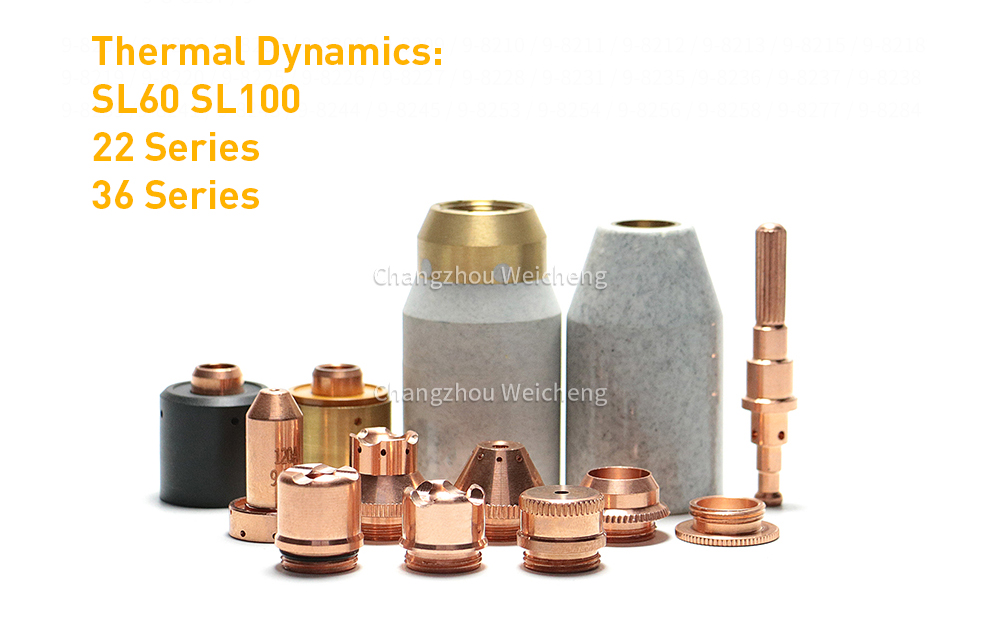
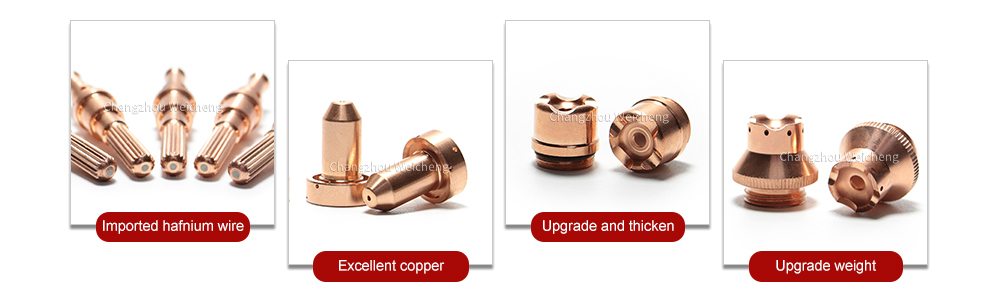
|
Shield Gas Distributor
|
36-1273
|
Shield Cup
|
22-1016
|
|
Shield Gas Distributor
|
36-1282
|
Shield Cap
|
22-1025
|
|
Shield Gas Distributor
|
36-1280
|
Shield Gas
|
22-1272
|
|
Shield Cup
|
36-1018
|
Plasma Gas Distributor
|
22-1041
|
|
Shield Retainer
|
36-1019
|
Electrode
|
22-1069
|
|
Cartridge
|
36-1020
|
Cartridge
|
22-1020
|
|
Shield Cup
|
36-1016
|
Shield Cap
|
22-1027
|
|
Shield Cap
|
36-1025
|
Nozzle
|
22-1153
|
|
Shield Cap
|
36-1028
|
Electrode
|
22-1171
|
|
Shield Cap
|
36-1029
|
Shield Cap
|
22-1030
|
|
Shield Cap
|
36-1034
|
Shield Gas Distributor
|
22-1285
|
|
Shield Gas Distributor
|
36-1272
|
Nozzle
|
22-1055
|
|
Nozzle
|
36-1051
|
Plasma Gas Distributor
|
22-1042
|
|
Nozzle
|
36-1053
|
Electrode
|
22-1075
|
|
Nozzle
|
36-1060
|
Cartridge
|
22-1022
|
|
Nozzle
|
36-1055
|
Shield Cap
|
22-1028
|
|
Nozzle
|
36-1058
|
Shield Cap
|
22-1275
|
|
Nozzle
|
36-1064
|
Nozzle
|
22-1054
|
|
Plasma Gas Distributor
|
36-1041
|
Electrode
|
22-1072
|
|
Electrode
|
36-1069
|
Cartridge
|
22-1020
|
|
Shield Cap
|
36-1027
|
Nozzle
|
21-1052
|
|
Electrode
|
36-1071
|
Nozzle
|
21-1055
|
|
Electrode
|
36-1089
|
Electrode
|
21-1075
|
|
Electrode
|
36-1085
|
Electrode
|
21-1093
|
|
Shield Gas Distributor
|
36-1273
|
Nozzle
|
21-1152
|
|
Shield Gas Distributor
|
21-1272
|
Nozzle
|
21-1153
|
|
Shield Gas Distributor
|
21-1285
|
Electrode
|
21-1170
|
|
please contact us!
|
Electrode
|
21-1171
|
|


Reviews
There are no reviews yet.