


Description
PWM300 Arc Collet 8-6650: The Precision Engineered Connection for Unwavering Arc Stability
Introduction: The Critical Link in Your Plasma Cutting Circuit
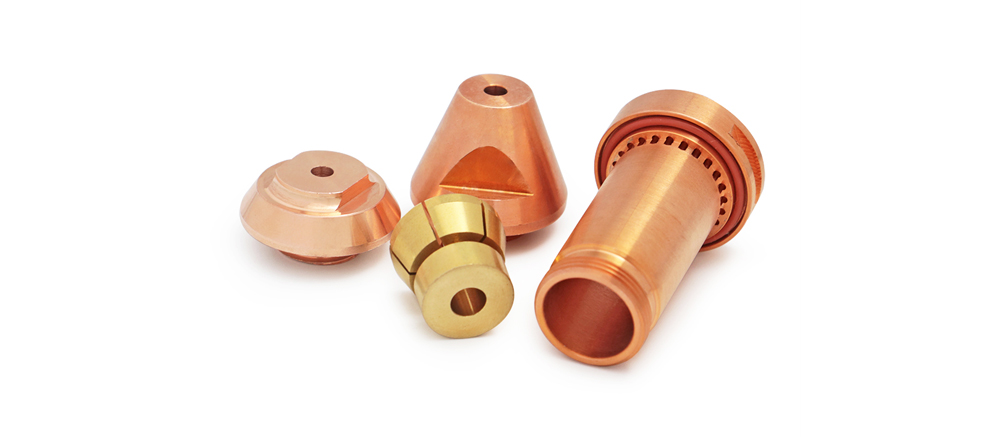
In the intricate ecosystem of a high-performance plasma cutting torch, every component must perform flawlessly to convert electrical energy into a precise, controlled cutting arc. While attention often focuses on the consumables at the torch’s tip, the integrity of the entire electrical pathway is paramount. The PWM300 Arc Collet 8-6650 is the unsung hero within this circuit—a precision-machined component responsible for securing the electrode and establishing a flawless electrical connection. This is not a simple clamp; it is the engineered interface that ensures maximum power transfer, optimal heat dissipation, and unwavering arc stability for your PWM300 system.
A worn, dirty, or inferior collet is a primary source of erratic performance, including hard starting, inconsistent cutting, and premature failure of expensive electrodes and nozzles. The genuine PWM300 Arc Collet 8-6650 is designed to eliminate this variable. Manufactured to exact OEM tolerances from specialized materials, it provides the secure mechanical grip and low-resistance electrical contact that are foundational to professional-grade results. This guide delves into the engineering, critical role, and tangible benefits of this essential component, demonstrating why it is a non-negotiable part of a reliable cutting system.

Core Function: The Tripartite Role of the Arc Collet
The PWM300 Arc Collet 8-6650 performs three simultaneous, critical functions within the torch assembly:
-
Precision Mechanical Retention: It acts as a high-tolerance, spring-tensioned clamp that grips the rear of the electrode with consistent force. This prevents any movement or vibration, ensuring the electrode remains perfectly concentric within the nozzle—a requirement for a stable, cylindrical plasma arc.
-
Primary Electrical Conduit: The collet forms the crucial electrical junction between the torch body/power cable and the electrode. Its entire purpose is to provide a massive surface area of clean metal-to-metal contact, minimizing electrical resistance and the associated voltage drop and heat generation.
-
Thermal Transfer Pathway: It serves as a secondary heat sink, helping to draw thermal energy away from the electrode’s emitter and into the larger thermal mass of the torch body, contributing to overall system cooling and consumable longevity.
Key Advantages of the PWM300 Arc Collet 8-6650:
-
Ensures Perfect Arc Starts: A clean, high-pressure contact surface provides the stable pilot arc required for reliable ignition every time.
-
Maximizes Cutting Power & Stability: Minimal electrical resistance means full system amperage is delivered to the arc, resulting in a powerful, steady cut.
-
Extends Electrode & Nozzle Life: By securing perfect alignment and reducing electrical arcing at the connection, it prevents the erratic wear that destroys consumables.
-
Prevents Costly Torch Downtime: Eliminates a common failure point that can lead to intermittent operation and difficult-to-diagnose torch faults.
-
OEM-Guaranteed Fit & Performance: Engineered specifically for the PWM300 torch, ensuring correct spring tension, dimensions, and thermal properties.
Technical Specifications & Performance Comparison
The impact of a high-quality collet versus a compromised one is profound. The following analysis highlights why the PWM300 Arc Collet 8-6650 is a value-driven component.
| Parameter | PWM300 Arc Collet 8-6650 (Genuine OEM) | Worn/Damaged Collet | Generic/Incorrect Collet |
|---|---|---|---|
| Material & Finish | Precision-machined beryllium copper alloy; plated for corrosion resistance. | Oxidized, pitted, or thermally discolored surface. | Unknown alloy; often poor surface finish and inconsistent hardness. |
| Contact Surface Integrity | Full, clean contact area with designed spring tension. | Reduced contact area due to pitting, carbon buildup, or loss of tension. | Poor fit leads to point-contact, creating extreme localized heat. |
| Electrical Resistance | Minimal, stable resistance for maximum power transfer. | High and variable resistance, causing voltage drop and heat. | Very high resistance, starving the arc of power and overheating the connection. |
| Thermal Management | Effectively draws heat away from the electrode. | Acts as an insulator, trapping heat at the electrode. | Often overheats and anneals (softens), losing all clamping force. |
| Mechanical Grip | Consistent, secure hold on the electrode. | Loose grip allows electrode to move, destroying arc focus. | May be too tight (damages electrode) or too loose (causes arcing). |
| Observed Symptom | Stable pilot arc, consistent cut quality, predictable consumable life. | Intermittent starts, “growling” arc sound, uneven nozzle wear. | Very hard starts, weak cutting arc, rapid discoloration and failure of electrode tail. |
| System Cost | Protects electrode, nozzle, and torch. | Wastes electrodes and nozzles, risks torch damage. | Causes systemic failure and is a primary cause of “ghost” troubleshooting issues. |

Material Science: Engineered for Conductivity and Resilience
The PWM300 Arc Collet 8-6650 is typically manufactured from beryllium copper (BeCu) or an equivalent high-performance alloy. This material selection is strategic:
-
Exceptional Electrical Conductivity: Second only to pure silver among copper alloys, it ensures minimal power loss.
-
High Strength and Spring Properties: It can be machined to precise dimensions and will maintain its clamping force (spring tension) through thousands of thermal cycles without taking a permanent set, unlike plain copper.
-
Excellent Thermal Conductivity: Efficiently pulls heat away from the critical contact zone.
-
Resistance to Annealing: Maintains its strength and temper at the operating temperatures found inside the torch, preventing it from softening and losing grip.
The collet is also finished with a selective plating (such as silver or nickel) on its critical contact surfaces. This plating prevents oxidation, ensures a consistently low-resistance surface, and protects against micro-welding to the electrode.
Application Scenarios: When Replacement is Critical
Integrating a new PWM300 Arc Collet 8-6650 is a key aspect of preventive maintenance and troubleshooting:
-
Scheduled Torch Overhaul: Replace during major service, or after every 10-15 electrode changes in high-use environments.
-
Solving Intermittent Arc Problems: When experiencing unreliable starts or an unstable arc despite new consumables.
-
After Electrode Failure: If an electrode has fused or welded in place, the collet surface is likely damaged and must be replaced.
-
Visible Wear or Contamination: Upon inspection, if the collet shows signs of arc tracking (pitting), heavy oxidation, or carbon buildup.
-
Performance Restoration: To return an older torch to like-new electrical efficiency.
System Integration: Related Components and Installation
For the PWM300 Arc Collet 8-6650 to function correctly, it must be part of a clean, well-maintained system.
-
Electrode: Always install a new electrode with a new collet. The mating surfaces on both must be pristine.
-
Torch Body & Inner Components: The collet seats inside a torch body or retaining mechanism. Ensure this bore is clean and undamaged.
-
Swirl Ring & Nozzle: While not directly connected, a stable arc from a good collet/electrode pair is essential for nozzle longevity.
-
Installation Procedure: Clean the torch bore with appropriate tools. Insert the new collet, followed by the new electrode. Ensure it is seated fully and straight. Follow manufacturer torque specs for any retaining parts to avoid crushing the collet.
Frequently Asked Questions (FAQ)
Q1: How do I know if my PWM300 Arc Collet needs to be replaced?
A: Inspect it during electrode changes. Key signs include: visible pitting or burning on the contact faces, loss of spring tension (feels loose), heavy discoloration or carbon buildup, or if the electrode tail shows signs of arcing (melted or rough texture). If you are troubleshooting arc instability, replacing the collet is a fundamental step.
Q2: Can I clean a dirty collet instead of replacing it?
A: For light oxidation, careful cleaning with a non-abrasive scouring pad or specific electrical contact cleaner is possible. However, if there is any pitting, arc tracking, or visible wear, replacement is mandatory. A cleaned but pitted surface will still cause high resistance and overheating. The PWM300 Arc Collet 8-6650 is a wear item designed for periodic replacement.
Q3: Is the collet different for different amperages or electrodes?
A: The PWM300 Arc Collet 8-6650 is designed as the standard collet for the PWM300 torch platform. It is compatible with all standard PWM300 electrodes within the system’s amperage range. There is typically not a separate collet for different amperages; the design accommodates the full range by maintaining a secure connection to the standardized electrode shank.
Q4: What happens if I continue to use a torch with a worn collet?
A: Continued use will degrade performance and increase costs. Symptoms will worsen, leading to more frequent consumable failures. The high-resistance connection will generate excessive heat, which can damage the torch’s insulator sleeves or even the torch body itself, leading to a much more costly repair.
Q5: Why is OEM important for a part like this?
A: The PWM300 Arc Collet 8-6650 is a precision electrical component. Its exact dimensions, spring tension, and material composition are calibrated for the PWM300. A generic copy may have the wrong hardness, poor conductivity, or incorrect dimensions, leading to poor grip, rapid overheating, and failure. The risk to torch performance and safety outweighs any minimal initial savings.
Conclusion: Invest in the Foundation of Electrical Integrity
The PWM300 Arc Collet 8-6650 exemplifies that peak system performance relies on the integrity of every link in the chain. By ensuring a perfect mechanical and electrical connection, it stabilizes the very foundation of your plasma cutting process. This small, precision component protects your investment in consumables, safeguards your torch from heat damage, and guarantees the reliable, powerful arc starts that professional work demands.
Don’t let an aging connection undermine your cutting capability. For unwavering arc stability and protected productivity, make the PWM300 Arc Collet 8-6650 a standard part of your maintenance regimen.
| Name | Model | Series |
| Nozzle/Tip | 8-4370 | PWM300 |
| Nozzle/Tip | 8-4371 | PWM300 |
| Nozzle/Tip | 8-4372 | PWM300 |
| Plasma Nozzle End Cap/shield cup | 8-4373 | PWM300 |
| Welding Torch Liner | 8-6509 | PWM300 |
| Nozzle/Tip | 8-6572 | PWM300 |
| Nozzle/Tip | 8-6582 | PWM300 |
| Nozzle/Tip | 8-6648 | PWM300 |
| Nozzle/Tip | 8-6580 | PWM300 |
| Electrode | 9-1827 | PWM300 / PWH/M-4A |
| Insulating Sleeve | 8-6651 | PWM300 |
| Shield Cup Diffuser | 8-6652 | PWM300 |
| Gasket | 8-6512 | PWM300 / PWM-6A |
| Collet | 8-6650 | PWM300 |
| Electrode Cap | 8-6654 | PWM300 |
| Nut | 8-4018 | PWM300 |
| Adapter | 9-1901 | PWM300 |
| Mounting Tube | 8-5005 | PWM300 |
| Pinion Assembly | 7-2827OEM | PWM300 |
| Bushing | 8-4204 | PWM300 |


Reviews
There are no reviews yet.