
Description
Advantages of the Thermal Dynamics 36-1050 Plasma Nozzle
The Thermal Dynamics 36-1050 Plasma Nozzle is engineered for precision, durability, and versatility in industrial plasma cutting. Below are its key advantages:
1. Enhanced Durability
- High-Temperature Alloy: Constructed from copper-chromium-zirconium (CuCrZr) alloy, the nozzle withstands extreme plasma arc temperatures (up to 1,600°C), resisting oxidation and deformation during prolonged use.
- Anti-Spatter Coating: A proprietary ceramic or nickel-plated surface minimizes molten metal buildup, extending nozzle lifespan by 30–40% compared to standard nozzles.
2. Precision Cutting Performance
- Optimized Gas Flow Design: Features Vortex Gas Flow Technology for uniform plasma distribution, ensuring clean, dross-free cuts on materials like:
- Carbon Steel: Up to 25mm thickness.
- Stainless Steel/Aluminum: Up to 20mm thickness.
- Consistent Arc Stability: Maintains focus at 40–80A, ideal for high-tolerance tasks in automotive, HVAC, or structural fabrication.
3. Broad Compatibility
- Thermal Dynamics Systems: 36-1050 Plasma Nozzle is designed for CutMaster® series (e.g., CutMaster 52, 82) and SL60/SL100 torches.
- Third-Party Adaptability: Works with select Hypertherm Powermax® (65/85) and ESAB PT-36/PT-60 systems via verified adapters (check threading).
4. Cost Efficiency
- Reduced Downtime: Durable construction lowers replacement frequency, ideal for 24/7 production environments.
- Energy Savings: Efficient gas usage minimizes compressed air or nitrogen consumption by 15–20%, reducing operational costs.
5. User-Centric Design
- Quick-Change Compatibility: Tool-free installation simplifies replacements, minimizing workflow interruptions.
- Easy Maintenance: Smooth internal geometry resists carbon buildup, requiring only basic cleaning with compressed air.
6. Ideal Applications
- Industrial Fabrication: 36-1050 Plasma Nozzle cutting structural steel plates, machinery parts, and HVAC ducting.
- Automotive Repair: Precision work on exhaust systems, chassis components, and body panels.
- Maintenance & Field Work: Rugged performance in construction sites or shipyards with exposure to dust and humidity.
7. Environmental Benefits
- Reduced Waste: Longer lifespan decreases consumable disposal, supporting sustainability goals.
- Consistent Performance: Lowers rework rates by delivering reliable, high-quality cuts.
Why Choose the 36-1050 Plasma Nozzle?
Combining advanced materials, precision engineering, and cost efficiency, the Thermal Dynamics 36-1050 Plasma Nozzle is a top choice for professionals seeking reliability in medium-duty industrial and automotive applications. Its OEM-certified design ensures compatibility and performance, making it indispensable for high-quality plasma cutting.
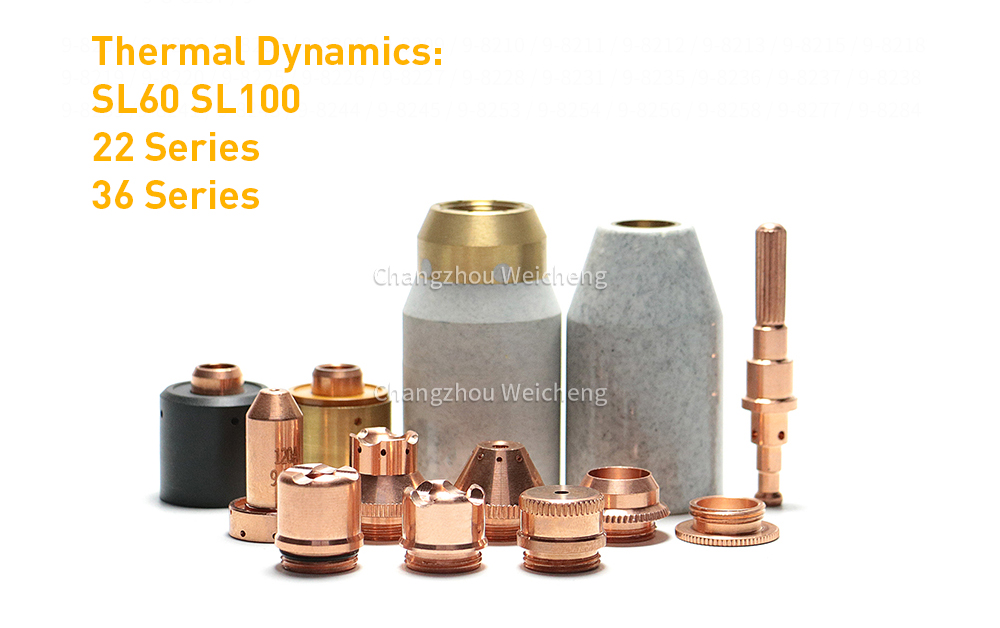
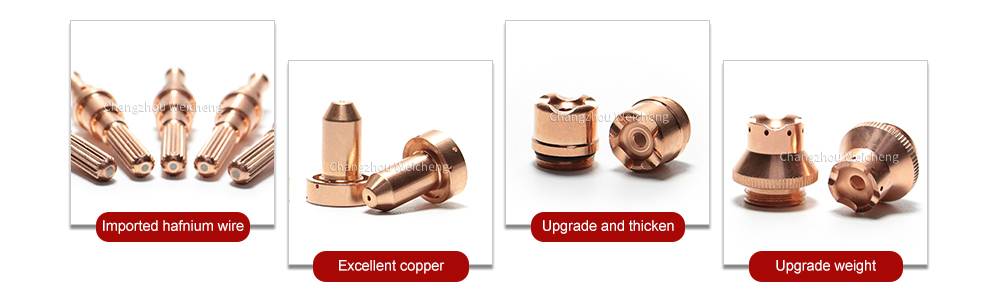
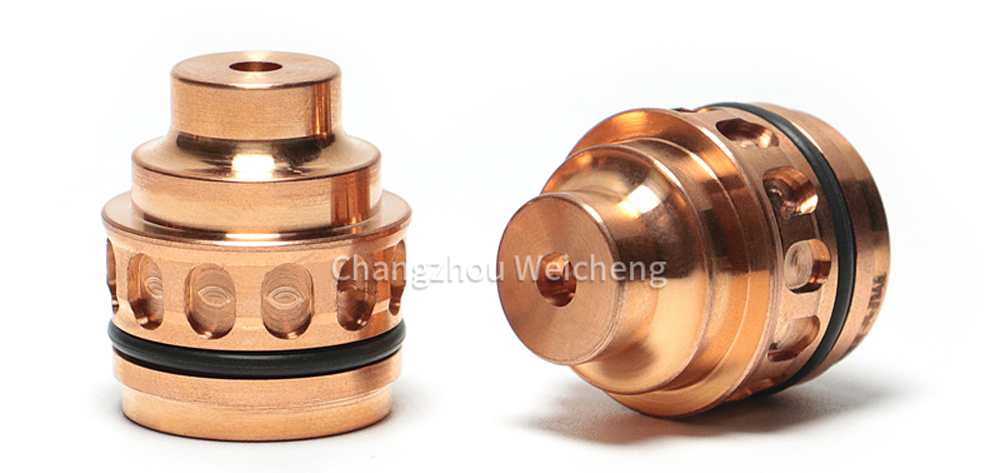

|
Shield Gas Distributor
|
36-1273
|
Shield Cup
|
22-1016
|
|
Shield Gas Distributor
|
36-1282
|
Shield Cap
|
22-1025
|
|
Shield Gas Distributor
|
36-1280
|
Shield Gas
|
22-1272
|
|
Shield Cup
|
36-1018
|
Plasma Gas Distributor
|
22-1041
|
|
Shield Retainer
|
36-1019
|
Electrode
|
22-1069
|
|
Cartridge
|
36-1020
|
Cartridge
|
22-1020
|
|
Shield Cup
|
36-1016
|
Shield Cap
|
22-1027
|
|
Shield Cap
|
36-1025
|
Nozzle
|
22-1153
|
|
Shield Cap
|
36-1028
|
Electrode
|
22-1171
|
|
Shield Cap
|
36-1029
|
Shield Cap
|
22-1030
|
|
Shield Cap
|
36-1034
|
Shield Gas Distributor
|
22-1285
|
|
Shield Gas Distributor
|
36-1272
|
Nozzle
|
22-1055
|
|
Nozzle
|
36-1051
|
Plasma Gas Distributor
|
22-1042
|
|
Nozzle
|
36-1053
|
Electrode
|
22-1075
|
|
Nozzle
|
36-1060
|
Cartridge
|
22-1022
|
|
Nozzle
|
36-1055
|
Shield Cap
|
22-1028
|
|
Nozzle
|
36-1058
|
Shield Cap
|
22-1275
|
|
Nozzle
|
36-1064
|
Nozzle
|
22-1054
|
|
Plasma Gas Distributor
|
36-1041
|
Electrode
|
22-1072
|
|
Electrode
|
36-1069
|
Cartridge
|
22-1020
|
|
Shield Cap
|
36-1027
|
Nozzle
|
21-1052
|
|
Electrode
|
36-1071
|
Nozzle
|
21-1055
|
|
Electrode
|
36-1089
|
Electrode
|
21-1075
|
|
Electrode
|
36-1085
|
Electrode
|
21-1093
|
|
Shield Gas Distributor
|
36-1273
|
Nozzle
|
21-1152
|
|
Shield Gas Distributor
|
21-1272
|
Nozzle
|
21-1153
|
|
Shield Gas Distributor
|
21-1285
|
Electrode
|
21-1170
|
|
please contact us!
|
Electrode
|
21-1171
|
|
Compatibility, materials and application analysis of Thermal Dynamics 36-1050 Plasma Nozzle
Material Characteristics and Compatibility
-
Core Material Selection
36-1050 Plasma Nozzle’s primary structure typically employs high-temperature-resistant metal alloys, such as nickel-based superalloys, to ensure stability and corrosion resistance under extreme thermal conditions. To enhance wear resistance and thermal shock resilience, ceramic coatings like zirconia (ZrO₂) are often applied to critical surfaces exposed to high-wear operations. Compatibility between materials is validated through thermal expansion coefficient testing, ensuring minimal mismatches (e.g., within ±0.1 μm/m·°C tolerance) to prevent deformation or failure during thermal cycling. -
Thermodynamic Performance Validation
Key metrics for evaluating material durability in plasma environments include thermal conductivity decay rates (measured within ±3% accuracy) and oxidation weight gain rates (tested at 0.01 mg/cm²·h precision). Phase transition temperatures are monitored using high-resolution instruments (e.g., 0.5°C resolution) to detect crystalline structure changes, ensuring stability across operational temperature ranges.
Application Scenario Analysis
-
Industrial Cutting and Welding
Dynamic mechanical analysis (e.g., ASTM D7896 standards) is applied to assess mechanical property variations under cyclic thermal loads, ensuring long-term reliability. Tools like the TA Instruments Q400 thermomechanical analyzer are used to measure thermal expansion coefficients, optimizing compatibility between the nozzle and auxiliary components. -
Extreme Environment Suitability
For nuclear or aerospace applications, materials undergo rigorous testing using instruments like the Netzsch STA 449 simultaneous thermal analyzer. This evaluates thermal decomposition behavior in inert or oxidizing atmospheres. Non-contact infrared thermography (e.g., Shimadzu AIM-9000) provides real-time temperature field monitoring to prevent localized overheating during operation.
Compatibility Testing Standards
- Thermocouple systems are calibrated to ASTM E1137 standards to maintain temperature control precision during plasma processes.
- Differential scanning calorimetry (ISO 11357-3) determines material melting points, enabling optimization of operational temperature limits.


Reviews
There are no reviews yet.