


설명
Advantages of the Thermal Dynamics 36-1050 Plasma Nozzle
그만큼 Thermal Dynamics 36-1050 Plasma Nozzle is engineered for precision, durability, and versatility in industrial plasma cutting. Below are its key advantages:
1. 내구성 향상
- 고온 합금: 건축 구리-크로미엄-자르코늄 (Cucrzr) 합금, 노즐은 극한의 플라즈마 아크 온도(최대 1,600°C), 장기간 사용하는 동안 산화 및 변형에 저항합니다.
- 스패터 방지 코팅: 독점 세라믹 또는 니켈 도금 표면 용융 금속 축적을 최소화하여 노즐 수명을 연장합니다. 30-40% 표준 노즐과 비교.
2. 정밀 절단 성능
- 최적화 된 가스 흐름 설계: 특징 소용돌이 가스 흐름 기술 균일한 플라즈마 분포를 보장합니다. 깨끗하고 드로스가없는 컷 다음과 같은 재료에 대해:
- 탄소강: 최대 두께 25mm.
- 스테인레스 스틸/알루미늄: 최대 20mm thickness.
- 일관된 아크 안정성: Maintains focus at 40–80A, ideal for high-tolerance tasks in automotive, HVAC, or structural fabrication.
3. 광범위한 호환성
- 열 역학 시스템: 36-1050 Plasma Nozzle is designed for Cutmaster® 시리즈 (e.g., CutMaster 52, 82) and SL60/SL100 토치.
- 타사 적응성: select와 함께 작동합니다 Hypertherm Powermax® (65/85) 그리고 ESAB PT-36/PT-60 systems via verified adapters (check threading).
4. 비용 효율성
- 다운 타임 감소: Durable construction lowers replacement frequency, ideal for 24/7 production environments.
- 에너지 절약: Efficient gas usage minimizes compressed air or nitrogen consumption by 15–20%, reducing operational costs.
5. 사용자 중심 디자인
- 빠른 변화 호환성: 도구가 필요 없는 설치로 교체가 간편하고 작업 흐름 중단이 최소화됩니다.
- 쉬운 유지 보수: Smooth internal geometry resists carbon buildup, requiring only basic cleaning with compressed air.
6. 이상적인 응용 프로그램
- 산업 제작: 36-1050 Plasma Nozzle cutting structural steel plates, machinery parts, and HVAC ducting.
- 자동차 수리: Precision work on exhaust systems, chassis components, and body panels.
- 유지 & Field Work: Rugged performance in construction sites or shipyards with exposure to dust and humidity.
7. Environmental Benefits
- 폐기물 감소: 수명이 길어지면 소모품 폐기가 줄어들어 지속 가능성 목표를 지원합니다.
- 일관된 성능: Lowers rework rates by delivering reliable, high-quality cuts.
Why Choose the 36-1050 Plasma Nozzle?
Combining advanced materials, precision engineering, and cost efficiency, the Thermal Dynamics 36-1050 Plasma Nozzle is a top choice for professionals seeking reliability in medium-duty industrial and automotive applications. Its OEM-certified design ensures compatibility and performance, making it indispensable for high-quality plasma cutting.
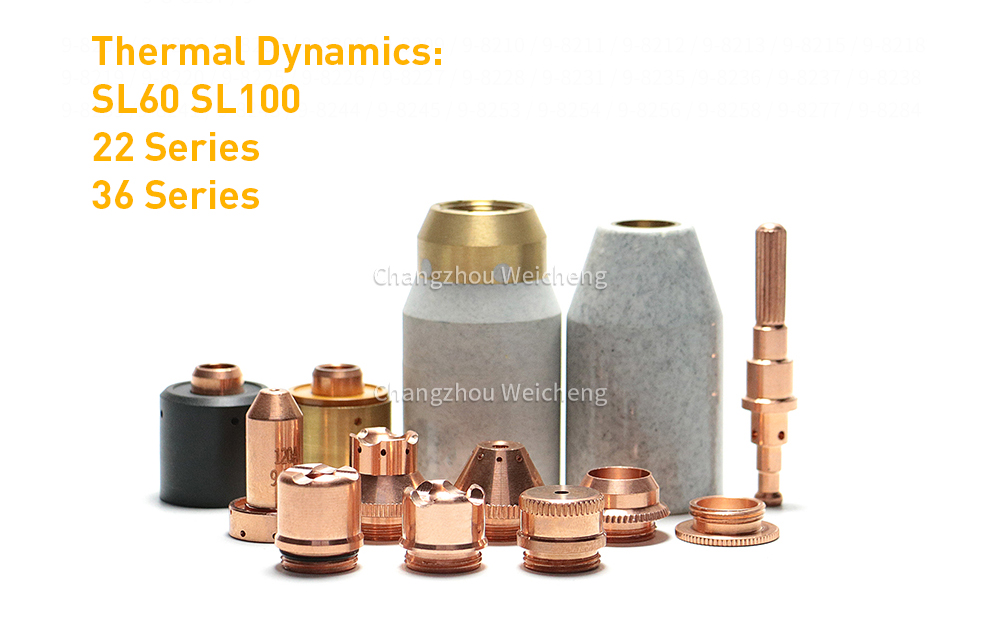
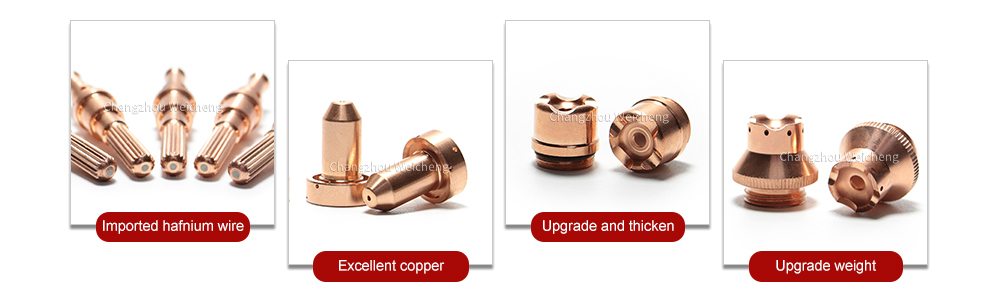
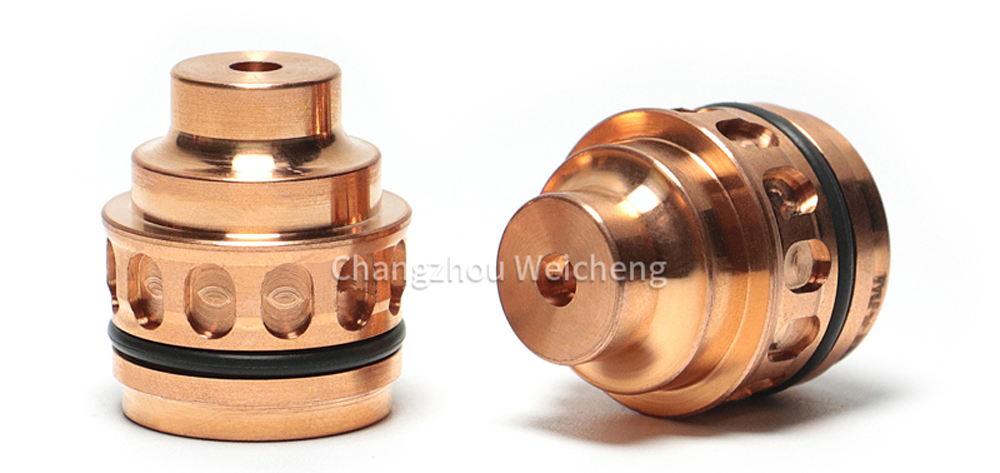

|
방패 가스 분배기
|
36-1273
|
방패 컵
|
22-1016
|
|
방패 가스 분배기
|
36-1282
|
방패 캡
|
22-1025
|
|
방패 가스 분배기
|
36-1280
|
방패 가스
|
22-1272
|
|
방패 컵
|
36-1018
|
혈장 가스 분포기
|
22-1041
|
|
방패 리테이너
|
36-1019
|
전극
|
22-1069
|
|
탄약통
|
36-1020
|
탄약통
|
22-1020
|
|
방패 컵
|
36-1016
|
방패 캡
|
22-1027
|
|
방패 캡
|
36-1025
|
대통 주둥이
|
22-1153
|
|
방패 캡
|
36-1028
|
전극
|
22-1171
|
|
방패 캡
|
36-1029
|
방패 캡
|
22-1030
|
|
방패 캡
|
36-1034
|
방패 가스 분배기
|
22-1285
|
|
방패 가스 분배기
|
36-1272
|
대통 주둥이
|
22-1055
|
|
대통 주둥이
|
36-1051
|
혈장 가스 분포기
|
22-1042
|
|
대통 주둥이
|
36-1053
|
전극
|
22-1075
|
|
대통 주둥이
|
36-1060
|
탄약통
|
22-1022
|
|
대통 주둥이
|
36-1055
|
방패 캡
|
22-1028
|
|
대통 주둥이
|
36-1058
|
방패 캡
|
22-1275
|
|
대통 주둥이
|
36-1064
|
대통 주둥이
|
22-1054
|
|
혈장 가스 분포기
|
36-1041
|
전극
|
22-1072
|
|
전극
|
36-1069
|
탄약통
|
22-1020
|
|
방패 캡
|
36-1027
|
대통 주둥이
|
21-1052
|
|
전극
|
36-1071
|
대통 주둥이
|
21-1055
|
|
전극
|
36-1089
|
전극
|
21-1075
|
|
전극
|
36-1085
|
전극
|
21-1093
|
|
방패 가스 분배기
|
36-1273
|
대통 주둥이
|
21-1152
|
|
방패 가스 분배기
|
21-1272
|
대통 주둥이
|
21-1153
|
|
방패 가스 분배기
|
21-1285
|
전극
|
21-1170
|
|
저희에게 연락하십시오!
|
전극
|
21-1171
|
|
Compatibility, materials and application analysis of Thermal Dynamics 36-1050 Plasma Nozzle
Material Characteristics and Compatibility
-
Core Material Selection
36-1050 Plasma Nozzle’s primary structure typically employs high-temperature-resistant metal alloys, such as nickel-based superalloys, to ensure stability and corrosion resistance under extreme thermal conditions. To enhance wear resistance and thermal shock resilience, ceramic coatings like zirconia (ZrO₂) are often applied to critical surfaces exposed to high-wear operations. Compatibility between materials is validated through thermal expansion coefficient testing, ensuring minimal mismatches (e.g., within ±0.1 μm/m·°C tolerance) to prevent deformation or failure during thermal cycling. -
Thermodynamic Performance Validation
Key metrics for evaluating material durability in plasma environments include thermal conductivity decay rates (measured within ±3% accuracy) and oxidation weight gain rates (tested at 0.01 mg/cm²·h precision). Phase transition temperatures are monitored using high-resolution instruments (e.g., 0.5°C resolution) to detect crystalline structure changes, ensuring stability across operational temperature ranges.
Application Scenario Analysis
-
Industrial Cutting and Welding
Dynamic mechanical analysis (e.g., ASTM D7896 standards) is applied to assess mechanical property variations under cyclic thermal loads, ensuring long-term reliability. Tools like the TA Instruments Q400 thermomechanical analyzer are used to measure thermal expansion coefficients, optimizing compatibility between the nozzle and auxiliary components. -
Extreme Environment Suitability
For nuclear or aerospace applications, materials undergo rigorous testing using instruments like the Netzsch STA 449 simultaneous thermal analyzer. This evaluates thermal decomposition behavior in inert or oxidizing atmospheres. Non-contact infrared thermography (e.g., Shimadzu AIM-9000) provides real-time temperature field monitoring to prevent localized overheating during operation.
Compatibility Testing Standards
- Thermocouple systems are calibrated to ASTM E1137 standards to maintain temperature control precision during plasma processes.
- Differential scanning calorimetry (ISO 11357-3) determines material melting points, enabling optimization of operational temperature limits.


리뷰
아직 리뷰가 없습니다.