


説明
熱力学 22-1072 プラズマ電極: 信頼性の高いアーク開始と切断性能の設計の心臓部
はじめに: すべてのプラズマ切断はどこから始まるのか
プラズマ切断システムの複雑なエコシステムにおいて、ノズルが切断を形成する精密機器であるとすれば、 電極 はすべてを可能にする強力なエンジンです。過熱プラズマ アークの開始と維持を担当する重要なコンポーネントである電極の性能は、アーク スタートの信頼性、切断の安定性、消耗品システム全体の寿命など、切断プロセスの基盤そのものを決定します。の 熱力学 22-1072 プラズマ電極 一般的な消耗品ではありません。これは、互換性のある熱力学トーチで一貫した信頼性の高い点火と最適な電力伝達を実現するように設計された精密設計コンポーネントです。
電極の欠陥または標準以下は、信頼性の低い始動、不安定なアーク、不十分な切断品質、早期のノズル故障など、数え切れないほどの切断上の問題の根本原因です。本物を選ぶことで、 熱力学 22-1072 プラズマ電極、トーチの電気的完全性に投資することになります。この記事では、この特定の電極モデルが稼働時間、一貫性、およびピーク切断性能を重視する専門家にとっての決定的な選択肢となる洗練されたデザイン、先進的な素材、および操作上の利点について説明します。
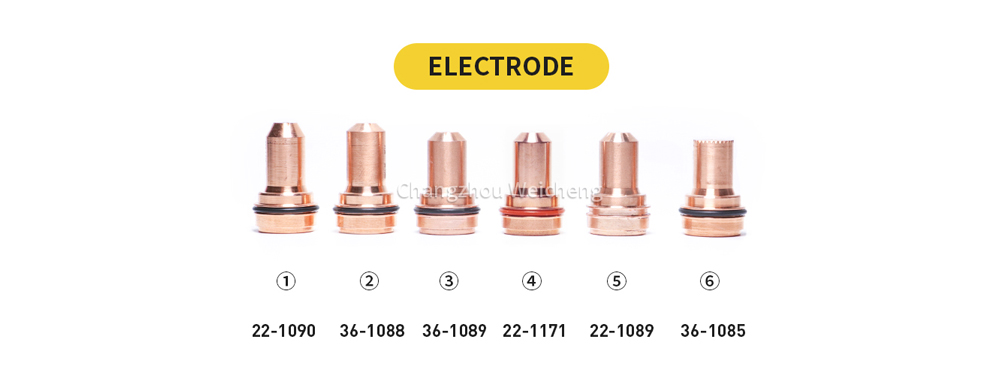
コア機能とエンジニアリング: 安定したアークの科学
The 熱力学 22-1072 プラズマ電極 プラズマトーチ回路内のカソード(マイナス端子)として機能します。その主な機能は 2 つあります。パイロット アークを形成するための高放射表面を提供することと、ワークピースへの切削電流の伝達を維持することです。その構造の精度は、このエネルギー伝達の効率と安定性に直接影響します。
その性能の鍵は、 ハフニウムエミッタインサート。ハフニウムは、その非常に高い融点と良好な熱電子放出特性により、空気プラズマ システムの電極用の業界標準材料です。の 熱力学 22-1072 プラズマ電極 は、高導電性の銅本体内にしっかりと埋め込まれた、慎重にサイズと形状が決められたハフニウムインサートを備えています。この銅製の本体はエミッターから激しい熱を放散する役割を果たし、精密に加工されたネジ山とシール面によりトーチ内の完璧な位置合わせと電気的接触が保証されます。
パフォーマンス上の重要な利点:
-
信頼性の高いアーク点火: 厳しい工場条件であっても、常に一貫した簡単な始動を保証し、イライラする誤始動を最小限に抑えます。
-
安定した切削性能: 安定した集中した切断電流経路を提供し、滑らかで一貫したアークを生成し、切断品質を向上させます。
-
ノズル寿命の延長: 適切に機能する電極は、制御された予測可能な方法で摩耗します。規格外または摩耗した電極は、二重アーク放電による急速で壊滅的なノズル故障の主な原因です。
-
最適化された熱管理: 銅製の本体は重要なエミッターから効率的に熱を奪い、電極の寿命を延ばし、トーチのコンポーネントを保護します。
-
一致したシステムパフォーマンス: 特定の熱力学ノズル (9-8205 や 22-1062)、バランスの取れた摩耗と最適なガスダイナミクスを保証します。
技術仕様 & 性能比較
本物の価値 熱力学 22-1072 プラズマ電極 劣った代替品と比較すると、それがはっきりとわかります。その仕様は単なる数値ではなく、信頼性を約束します。
| パラメーター | Thermal Dynamics 22-1072 プラズマ電極 (純正 OEM) | 標準汎用電極 | 劣悪な電極を使用した場合の影響 |
|---|---|---|---|
| エミッターの材質 & 質量 | 高純度で質量が最適化されたハフニウムインサート | 小さい、低純度、または不適切な材料 (ジルコニウムなど) | 始動の信頼性が低く、寿命が短く、アークが不安定です。 |
| 銅ボディの完全性 | 高導電性OFHC銅、精密機械加工 | 低品位の銅。加工公差が低い | 放熱不良、ホットスポット、異常電流。 |
| 糸 & 接触精度 | 精密なねじ山とシール面 | 公差が緩い、表面仕上げが悪い | 高い電気抵抗、電圧降下、過熱。 |
| エミッタとボアの位置合わせ | 適合したノズルで完璧な同心性を実現するように設計 | 制御されていない分散 | ダブルアーク放電を引き起こし、ノズルを瞬時に破壊します。 |
| 平均寿命 | 一貫した予測可能な摩耗 (例: ノズル寿命と 1:1) | 予測不可能、多くの場合非常に短い | 頻繁な変更、高コスト、不明な障害点。 |
| アークスタートの信頼性 | > 仕様条件で99% | 変動性が高い | 生産の遅れ、オペレーターの不満。 |
| 実際のシステムコスト | ノズルへの投資を保護し、稼働時間を確保 | ノズルとトーチの健康状態のリスク | コンポーネントの損傷によるコストの急激な増加。 |

材料科学: 信頼性の基礎
The 熱力学 22-1072 プラズマ電極 これは、材料科学が極限条件に適用された証拠です。の 無酸素高熱伝導率 (OFHC) 銅 体は必要不可欠です。その純度により電気抵抗が最小限に抑えられ、切断電流を効率的に流すことができると同時に、その卓越した熱伝導率がハフニウムエミッターから熱を奪います。これにより、銅の焼きなまし(軟化)が防止され、ねじ山の重要な機械的強度が維持されます。
The ハフニウムエミッター それ自体がコンポーネントの心臓部です。プラズマ環境では、ハフニウムの先端が酸化し、さらに融点の高い酸化ハフニウム層が形成されます。この層は、通常の操作中にゆっくりと制御可能な範囲で侵食されます。このハフニウムインサートの品質、密度、接合プロセスは、Thermal Dynamics などの OEM メーカーが独自に開発したものです。インサートの製造が不十分だと、亀裂が入ったり、脱落したり、不均一に侵食されたりして、即座にシステム障害が発生する可能性があります。
理想的なアプリケーション シナリオ
The 熱力学 22-1072 プラズマ電極 パフォーマンスを偶然に任せることができないアプリケーションにとっては不可欠です。
-
生産とCNC切断: 自動化システムには、100% のアークスタートの信頼性が必要です。起動に 1 回失敗すると、部品が破損したり、機械が停止したりする可能性があります。
-
高デューティサイクル動作: アークオン時間が長い工場では、過熱や早期故障を防ぐために電極の熱管理が重要です。
-
重要なカット品質の作業: 溶接や製造のために部品を切断する場合、きれいでドロスのないエッジを得るには、優れた電極からの安定したアークが必要です。
-
予防保守プログラム: 電極とノズルを適合するセットとして交換することが、予期せぬダウンタイムを回避するための唯一のベスト プラクティスです。
-
すべて専門的な製造: 構造用鋼からメンテナンス作業に至るまで、正しい電極を使用することでトーチへの投資全体が保護されます。
消耗品システム: 必須の関連製品
The 熱力学 22-1072 プラズマ電極 単独では実行できません。これは、厳密に設計されたシステムの一部です。
-
適合プラズマ ノズル (例: 9-8205、 22-1062): これは交渉の余地がありません。 電極とノズルは必ずセットで交換してください。新しい電極に摩耗したノズルを使用すると (またはその逆)、すぐにバランスが崩れて故障が発生します。
-
スワールリング / 保持キャップ: このコンポーネントは、ノズル内の電極を中心に配置します。スワールリングが摩耗するとエミッタの位置がずれ、ダブルアークが発生します。
-
シールドカップ: アセンブリ全体を保護します。シールド キャップが損傷すると、スパッタが電極に干渉する可能性があります。
-
適切なトーチのメンテナンス: トーチの内部接触面がきれいで、バネ仕掛けのプランジャー (存在する場合) が自由に動いて電極への電気的圧力を維持していることを確認します。
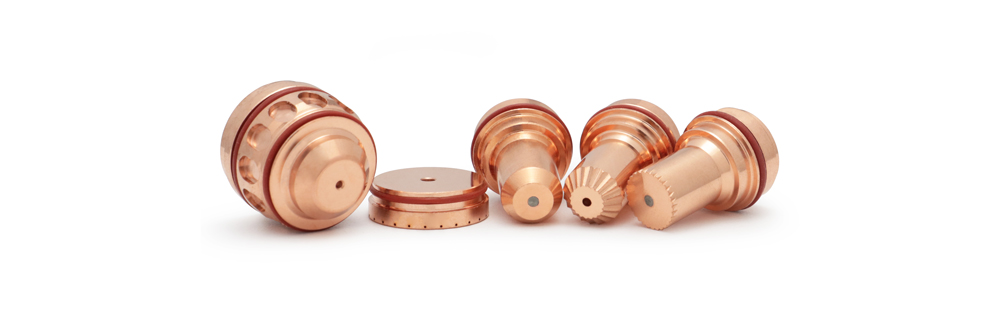
よくある質問 (よくある質問)
Q1: 電極とノズルを必ず一緒に交換する必要があるのはなぜですか?
答え: The 熱力学 22-1072 プラズマ電極 とそれに適合するノズルは摩耗ペアです。それらは設計された相補的な速度で侵食されます。摩耗したノズルに新しい電極を取り付けると、意図したよりも大きな隙間が生じます。これにより、円弧は次のように強制されます。 “到着、” 不安定になり、切断不良が発生し、最終的には新しい電極とおそらくトーチを破壊する二重アークを引き起こします。ノズルの低コストは、電極とトーチの安価な保険になります。
Q2: 22-1072 電極が摩耗したかどうかはどうすればわかりますか?
答え: ノズル交換時にハフニウム エミッタを検査します。ハフニウムピットの深さがおよそに達したら電極を交換してください。 1.5mm(0.060″))。ピットが深くなるとアークギャップが増加し、始動が困難になり、パフォーマンスが低下します。エミッターに亀裂や凹凸がある場合、または銅本体がひどく酸化したり穴が開いている場合も交換してください。
Q3: この電極をさまざまなブランドのノズルまたはさまざまなトーチ モデルで使用できますか?
年。 The 熱力学 22-1072 プラズマ電極 は、それを使用する熱力学トーチ モデルとの特定の電気的、熱的、寸法的な互換性を実現するように設計されています。互換性のないノズルや間違ったトーチで使用すると、パフォーマンスが低下し、すぐに故障し、保証が無効になったり、機器が損傷したりする可能性があります。必ず、正確なトーチモデルに指定された部品を使用してください。
Q4: 電極が早期に故障する原因は何ですか?
答え: 一般的な原因は次のとおりです: 1) 供給空気中の水分: 急速な酸化と孔食の原因となります。 2) 摩耗したノズルの使用: 二重アーク放電につながります。 3) 過度のトーチのドラッグ (ドラッグ モード): 物理的な衝撃によりチップが損傷します。 4) 緩んだ消耗品: 電気接触が不十分だと、アーク放電や過熱が発生します。 5) 間違ったアンペア数設定: 電極に過負荷がかかっています。
Q5: ありますか? “押し入る” 新しい電極の手順は?
答え: 必ずしも必須ではありませんが、短時間の慣らし運転でも初期のエミッタ酸化を促進する可能性があります。取り付け後、重要な作業を開始する前に、推奨される厚さの廃材にいくつかのショートカットを作成するか、穴を開けます。これにより、酸化ハフニウム層を均一に形成することができる。
結論: 信頼性の高い切断プロセスの基礎
プラズマ切断の成功はすべて、完全に制御された放電から始まります。の 熱力学 22-1072 プラズマ電極 は、これを何度も保証するエンジニアリングコンポーネントです。それを単なるものとして見ると、 “消耗品” 切断プロセスの完全性と費用対効果を根本的に保護するものとしてのその役割を過小評価しています。
純正の電極に投資することが、最もコスト効率の高い決定です。より高価なノズルを保護し、トーチが設計どおりに動作することを保証し、アーク スタートの失敗によって引き起こされる予期せぬダウンタイムを排除します。最初から最後まで信頼できるカットを得るには、適切なコンポーネントから始めてください。
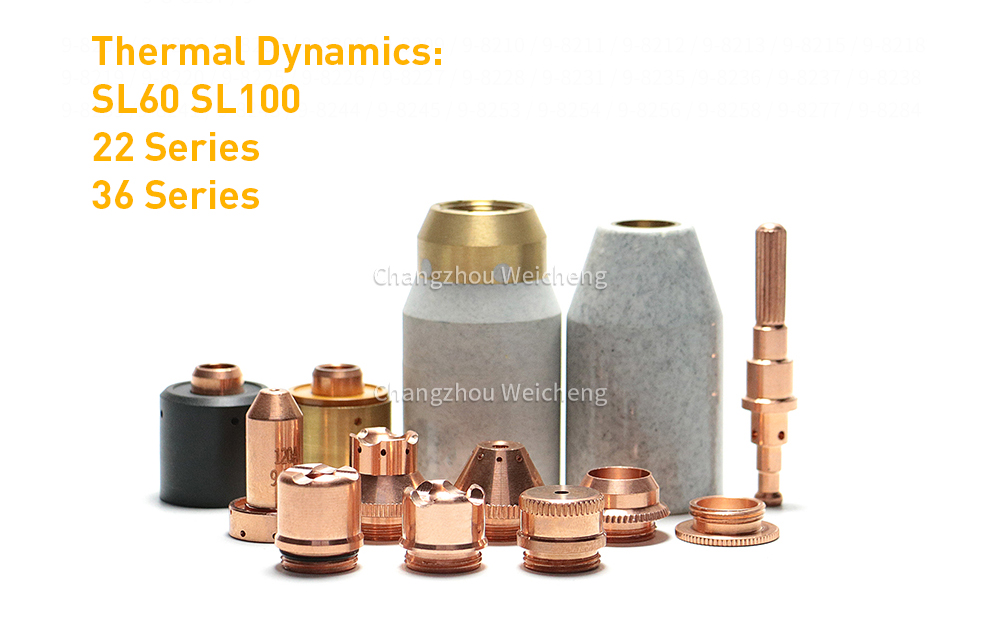
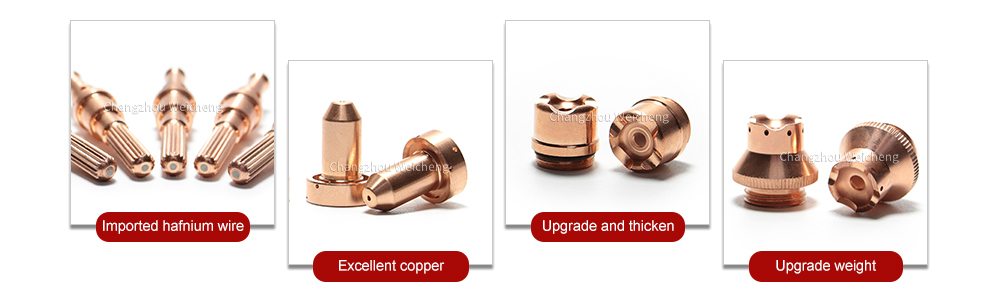
|
シールドガス販売業者
|
36-1273
|
シールドカップ
|
22-1016
|
|
シールドガス販売業者
|
36-1282
|
シールドキャップ
|
22-1025
|
|
シールドガス販売業者
|
36-1280
|
シールドガス
|
22-1272
|
|
シールドカップ
|
36-1018
|
プラズマガス分配器
|
22-1041
|
|
シールドリテーナー
|
36-1019
|
電極
|
22-1069
|
|
カートリッジ
|
36-1020
|
カートリッジ
|
22-1020
|
|
シールドカップ
|
36-1016
|
シールドキャップ
|
22-1027
|
|
シールドキャップ
|
36-1025
|
ノズル
|
22-1153
|
|
シールドキャップ
|
36-1028
|
電極
|
22-1171
|
|
シールドキャップ
|
36-1029
|
シールドキャップ
|
22-1030
|
|
シールドキャップ
|
36-1034
|
シールドガス販売業者
|
22-1285
|
|
シールドガス販売業者
|
36-1272
|
ノズル
|
22-1055
|
|
ノズル
|
36-1051
|
プラズマガス分配器
|
22-1042
|
|
ノズル
|
36-1053
|
電極
|
22-1075
|
|
ノズル
|
36-1060
|
カートリッジ
|
22-1022
|
|
ノズル
|
36-1055
|
シールドキャップ
|
22-1028
|
|
ノズル
|
36-1058
|
シールドキャップ
|
22-1275
|
|
ノズル
|
36-1064
|
ノズル
|
22-1054
|
|
プラズマガス分配器
|
36-1041
|
電極
|
22-1072
|
|
電極
|
36-1069
|
カートリッジ
|
22-1020
|
|
シールドキャップ
|
36-1027
|
ノズル
|
21-1052
|
|
電極
|
36-1071
|
ノズル
|
21-1055
|
|
電極
|
36-1089
|
電極
|
21-1075
|
|
電極
|
36-1085
|
電極
|
21-1093
|
|
シールドガス販売業者
|
36-1273
|
ノズル
|
21-1152
|
|
シールドガス販売業者
|
21-1272
|
ノズル
|
21-1153
|
|
シールドガス販売業者
|
21-1285
|
電極
|
21-1170
|
|
ぜひご連絡ください!
|
電極
|
21-1171
|
|


レビュー
レビューはまだありません。