


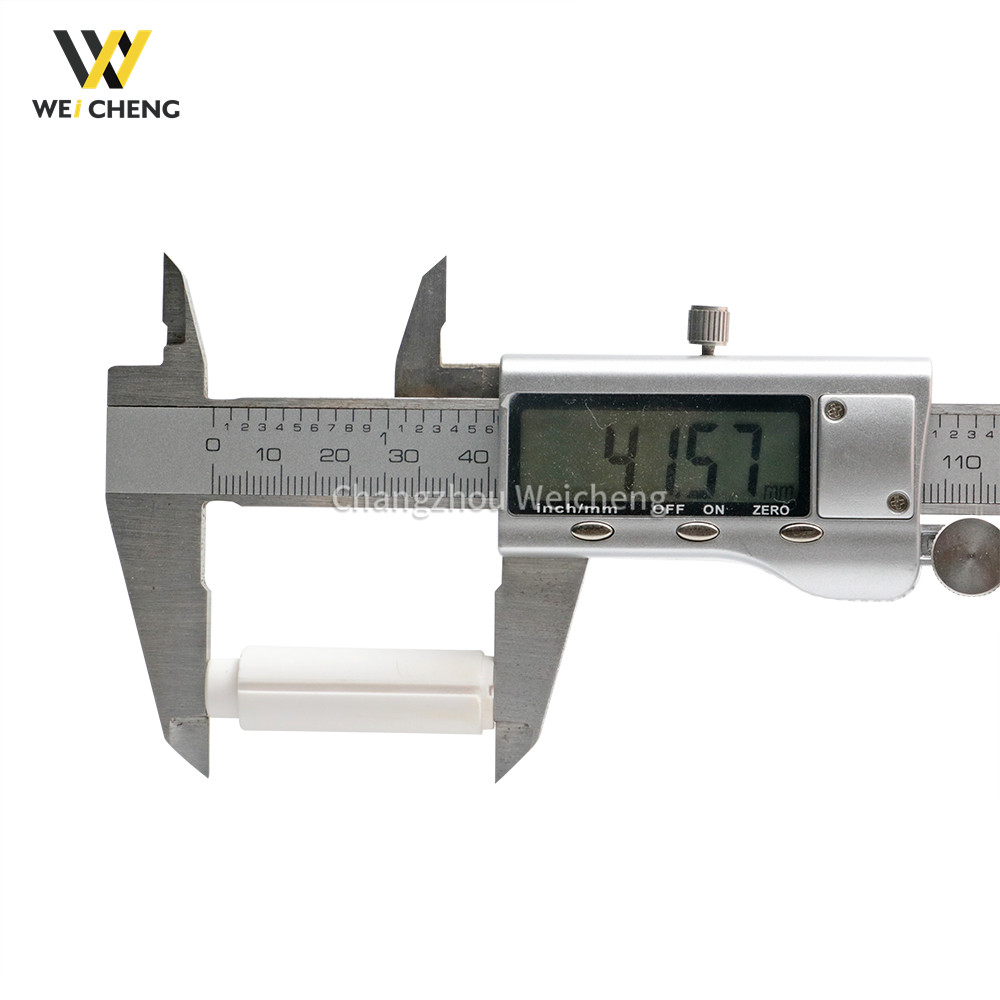
Description
PWM300 Insulating Sleeve 8-6651: The Critical Safety Component for Reliable Plasma Cutting Performance
Introduction: The Guardian of Electrical Integrity in Your Plasma Torch
In the high-energy environment of plasma cutting, where electrical currents exceeding 100 amps are harnessed to create temperatures hotter than the sun’s surface, every component must perform its role with absolute precision. While attention naturally focuses on the consumables that shape the cutting arc, a critical component works silently to ensure the entire system operates safely and efficiently: the insulating sleeve. Specifically engineered for the PWM300 system, the PWM300 Insulating Sleeve 8-6651 is far more than a simple spacer—it is a vital dielectric barrier that maintains electrical isolation, manages thermal transfer, and ensures the structural integrity of your torch assembly. Compromising this component risks catastrophic electrical failure, torch damage, and significant safety hazards.
A degraded or incorrect insulating sleeve can lead to elusive problems: intermittent arcing, reduced cutting performance, unexplained consumable wear, and even dangerous electrical shorts. The genuine PWM300 Insulating Sleeve 8-6651 is manufactured to exact OEM specifications, providing the precise dielectric strength, thermal resistance, and dimensional stability required for the PWM300’s demanding operation. This comprehensive guide explores the engineering, material science, and indispensable role of this component, demonstrating why it is a non-negotiable element in maintaining both performance and safety in your cutting operations.

Core Function: The Multifaceted Role of Electrical and Thermal Management
The PWM300 Insulating Sleeve 8-6651 serves three interconnected, critical functions within the torch’s front-end assembly:
-
Primary Electrical Isolation: Its fundamental purpose is to maintain a robust dielectric barrier between the negatively charged electrode/collet assembly and the positively charged torch body and nozzle retaining components. This prevents secondary arcing (double-arcing) and ensures all electrical energy is focused through the proper pilot and cutting arc paths.
-
Thermal Barrier and Heat Sink: The sleeve acts as a thermal management component, insulating sensitive torch body parts from the intense radiant heat generated at the electrode tip. Its material is designed to withstand continuous high temperatures without degrading, while also helping to dissipate heat from the electrode assembly.
-
Structural Spacer and Alignment Guide: It provides precise physical spacing and concentric alignment for internal components, ensuring the electrode is perfectly centered within the nozzle. This precise alignment is crucial for achieving a stable, cylindrical plasma arc and even consumable wear.
Key Advantages of the PWM300 Insulating Sleeve 8-6651:
-
Prevents Catastrophic Double-Arcing: Maintains critical electrical isolation to protect your torch body, power supply, and consumables from destructive electrical shorts.
-
Ensures Consistent Arc Stability: By maintaining perfect component alignment, it contributes to a steady, focused plasma arc for superior cut quality.
-
Extends Torch Component Lifespan: Protects the torch body’s internal threads and seals from heat degradation and electrical damage.
-
Safety Assurance: Provides the certified dielectric protection required for safe operation of high-amperage plasma equipment.
-
OEM Precision Fit: Engineered to exact dimensions for perfect compatibility with the PWM300 torch assembly, ensuring optimal performance.
Technical Specifications & Failure Prevention Analysis
The importance of a genuine, high-quality insulating sleeve becomes starkly clear when compared to the risks posed by substandard or worn components.
| Parameter | PWM300 Insulating Sleeve 8-6651 (Genuine OEM) | Worn/Damaged Sleeve | Generic/Non-Spec Sleeve |
|---|---|---|---|
| Material & Dielectric Strength | High-Temp Ceramic Composite or Reinforced Polymer with UL/CE rated dielectric properties. | Carbonized, cracked, or thermally degraded material with compromised insulation. | Unknown material with unverified and potentially unsafe dielectric strength. |
| Thermal Resistance & Stability | Engineered to withstand continuous torch operating temps (>250°C/482°F) without deforming. | May have taken a permanent set, softened, or developed micro-fractures. | Can melt, warp, or shrink under operating heat, losing alignment and insulation. |
| Dimensional Precision | CNC-machined or precision-molded to exact OEM tolerances for perfect fit. | Worn, misshapen, or eroded, leading to component misalignment. | Often undersized or oversized, causing loose fits or assembly stress. |
| Primary Failure Mode | Predictable wear over extended service life. | Catastrophic Dielectric Breakdown: Leads to internal double-arcing. | Sudden Insulation Failure: Risk of arcing to torch body or operator. |
| Observable Symptoms | None when functioning correctly. Stable operation. | Intermittent cutting, unusual arc sounds, unexplained nozzle failures, scorch marks on sleeve. | Erratic performance from day one, overheating of torch handle, frequent consumable destruction. |
| System Impact | Protects the entire torch and power supply investment. | Causes cascading damage: Destroys nozzles, electrodes, and can damage torch body threads. | Poses direct safety hazard and risks expensive system repairs. |
| Total Cost of Risk | Low-cost preventive component. | Extremely High: Cost of new consumables, torch repair, and downtime. | Highest: Risk of injury, equipment condemnation, and liability. |

Material Science: Engineered for Extreme Environments
The PWM300 Insulating Sleeve 8-6651 is fabricated from advanced materials specifically selected for the plasma cutting environment. Common materials include high-temperature, fiber-reinforced ceramic composites or specialty engineered thermoset polymers. These materials are chosen for their unique combination of properties:
-
Exceptional Dielectric Strength: They can withstand thousands of volts without electrical breakdown, even when contaminated with metallic dust.
-
High Thermal Resistance & Low Thermal Conductivity: They maintain structural integrity and insulating properties at elevated temperatures while protecting adjacent components.
-
Mechanical Rigidity and Dimensional Stability: They resist deformation under mechanical clamping forces and thermal cycling, ensuring the all-important alignment is maintained.
-
Arc Track Resistance: The materials are formulated to resist the formation of conductive carbon paths (tracking) across their surface if exposed to a momentary arc.
This material engineering is what separates the genuine PWM300 Insulating Sleeve 8-6651 from generic substitutes that may physically fit but cannot perform safely or reliably under operational stress.
Application Scenarios: Proactive Maintenance and Troubleshooting
Integrating inspection and replacement of the PWM300 Insulating Sleeve 8-6651 into your maintenance routine is crucial for preventing failures.
-
Scheduled Torch Overhaul: Replace during any major torch disassembly for cleaning or repair.
-
After a Major Double-Arc Event: If a nozzle has failed catastrophically, always inspect and likely replace the insulating sleeve, as it may have been carbon-tracked.
-
During Consumable Changes: Make visual inspection a habit. Look for cracks, chips, carbon scoring, or a glazed appearance.
-
When Experiencing Unexplained Performance Issues: If you have ruled out consumables and gas, a failing sleeve can be the culprit.
-
Preventive Replacement: In high-use production environments, consider replacing it proactively every 6-12 months as part of a comprehensive parts kit.
System Integration: Related Components and Correct Installation
The PWM300 Insulating Sleeve 8-6651 functions as part of a tightly toleranced assembly. Correct installation is key.
-
Associated Components: It works in conjunction with the Arc Collet (8-6650), Electrode, and Swirl Ring. All should be in good condition.
-
Torch Body: The torch’s internal bore where the sleeve sits must be clean and free of carbon deposits or melted debris.
-
Installation Procedure: 1. Ensure the torch is cool and disconnected. 2. Thoroughly clean all parts. 3. Insert the new sleeve straight into its housing. 4. Reassemble components in the correct order, typically electrode, collet, then swirl ring/retaining cap. Avoid cross-threading.
-
Critical Check: After assembly, ensure no components are binding. The electrode should move slightly (if designed to) but the sleeve itself must be firmly seated without rotation.

Frequently Asked Questions (FAQ)
Q1: How can I visually inspect my PWM300 Insulating Sleeve for wear?
A: Remove the electrode and collet. Examine the sleeve for: Cracks or Chips (any visible damage is failure), Carbon Tracking (thin black lines across the surface), Discoloration/Charring (brown or black burnt areas), or Glazing/Melting (a shiny, deformed surface). If in doubt, replace it with a new PWM300 Insulating Sleeve 8-6651.
Q2: What exactly is “double-arcing” and how does this sleeve prevent it?
A: Double-arcing occurs when the main cutting arc jumps from the electrode to the nozzle AND from the nozzle to the workpiece, or worse, from the electrode directly to the torch body. This usually happens when the insulation between these components fails. The PWM300 Insulating Sleeve 8-6651 maintains the essential gap and dielectric barrier to keep the current on its intended path.
Q3: Can I clean a slightly dirty sleeve instead of replacing it?
A: Light, non-conductive dust can be gently blown or brushed off. However, any conductive deposit (metallic spatter, carbon scoring) or any physical damage necessitates immediate replacement. Attempting to clean conductive material from a ceramic or polymer surface often embeds it further, compromising insulation. Safety is paramount.
Q4: Is this sleeve different for different amperage levels on the PWM300?
A: Typically, the PWM300 Insulating Sleeve 8-6651 is designed to handle the full amperage range of the PWM300 system. The OEM design incorporates a significant safety margin. Using the correct, genuine part ensures this rating is met.
Q5: Why does using a non-OEM sleeve pose a safety risk?
A: Generic parts are rarely tested to the same dielectric, thermal, and flame-retardant standards as OEM components. In a fault condition, a generic sleeve could fail catastrophically—potentially leading to an arc flash inside the torch handle, rupturing coolant lines, or energizing the torch exterior, creating a severe shock hazard. The genuine PWM300 Insulating Sleeve 8-6651 is certified for the application.
Conclusion: The Small Investment That Protects Your Largest Assets
The PWM300 Insulating Sleeve 8-6651 embodies the principle of preventive maintenance. It is a low-cost, high-value component whose sole purpose is to safeguard your far more expensive torch, power supply, and consumables from electrical catastrophe. By ensuring perfect isolation and alignment, it not only protects your equipment but also guarantees the consistent, high-quality cutting performance that defines professional work.
Ignoring this component is a gamble with high stakes. For absolute safety, reliability, and peace of mind, make the genuine PWM300 Insulating Sleeve 8-6651 a standard part of your torch maintenance inventory.
| Name | Model | Series |
| Nozzle/Tip | 8-4370 | PWM300 |
| Nozzle/Tip | 8-4371 | PWM300 |
| Nozzle/Tip | 8-4372 | PWM300 |
| Plasma Nozzle End Cap/shield cup | 8-4373 | PWM300 |
| Welding Torch Liner | 8-6509 | PWM300 |
| Nozzle/Tip | 8-6572 | PWM300 |
| Nozzle/Tip | 8-6582 | PWM300 |
| Nozzle/Tip | 8-6648 | PWM300 |
| Nozzle/Tip | 8-6580 | PWM300 |
| Electrode | 9-1827 | PWM300 / PWH/M-4A |
| Insulating Sleeve | 8-6651 | PWM300 |
| Shield Cup Diffuser | 8-6652 | PWM300 |
| Gasket | 8-6512 | PWM300 / PWM-6A |
| Collet | 8-6650 | PWM300 |
| Electrode Cap | 8-6654 | PWM300 |
| Nut | 8-4018 | PWM300 |
| Adapter | 9-1901 | PWM300 |
| Mounting Tube | 8-5005 | PWM300 |
| Pinion Assembly | 7-2827OEM | PWM300 |
| Bushing | 8-4204 | PWM300 |


Reviews
There are no reviews yet.