
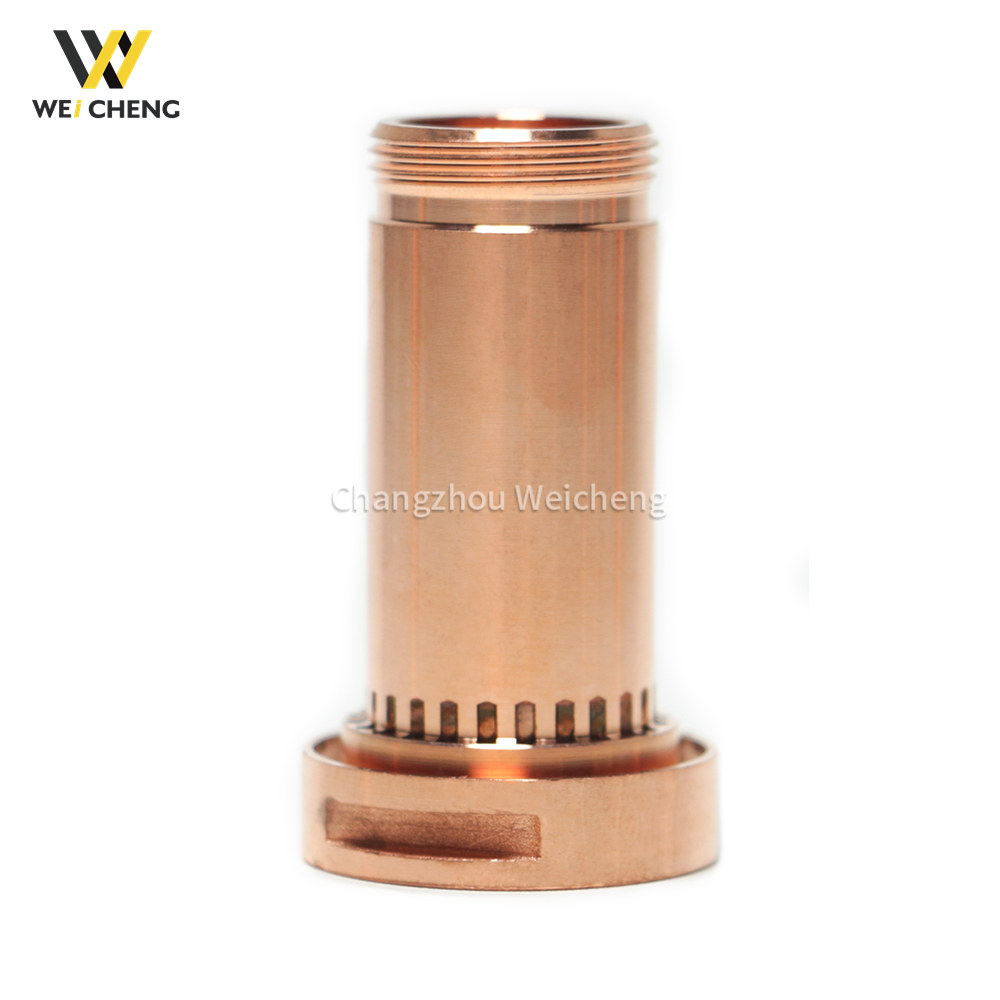
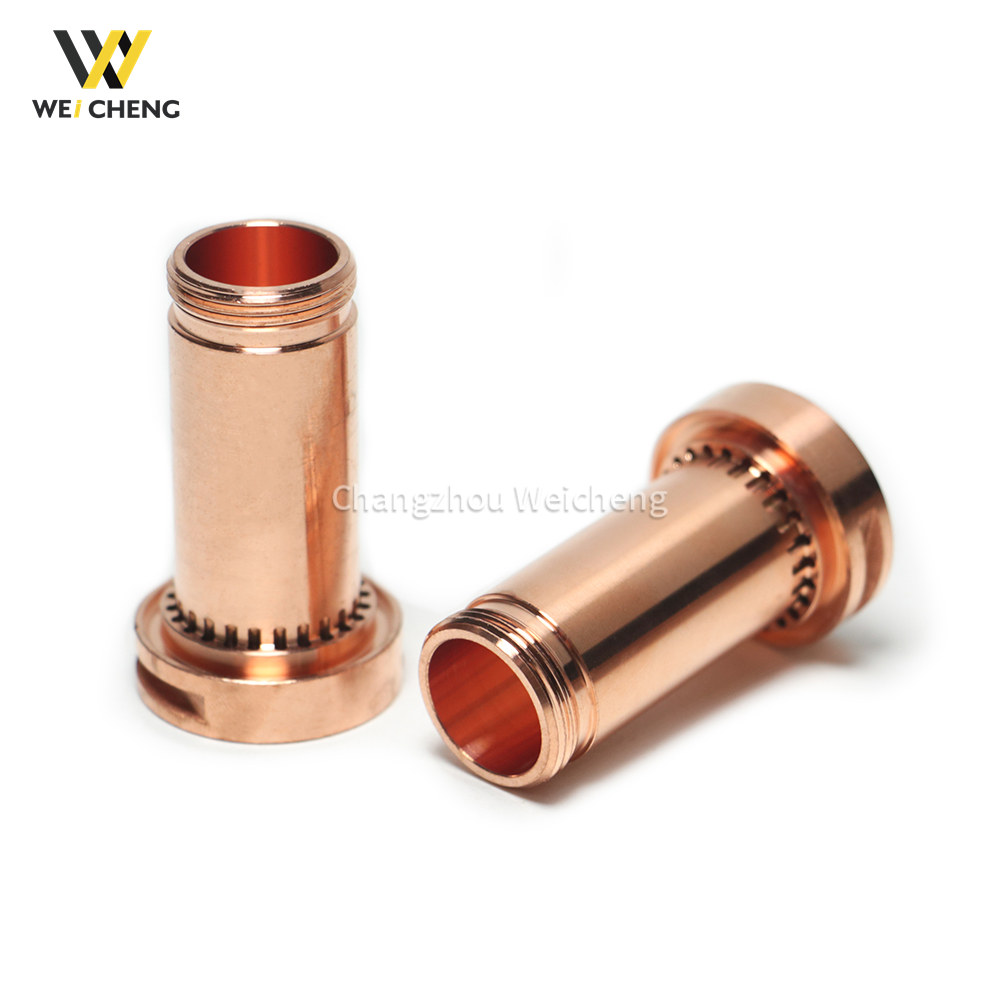


Description
PWM300 Welding Torch Liner 8-6509: The Critical Path to Reliable, Consistent Wire Feeding
Introduction: The Unsung Hero of Your MIG Welding Performance
In the world of MIG welding, where performance is measured in consistent arcs, clean beads, and uninterrupted workflow, one component silently dictates the success or failure of every weld you make: the torch liner. For operators of the versatile PWM300 welding system, the PWM300 Welding Torch Liner 8-6509 is far more than a simple consumable—it is the engineered lifeline that ensures your welding wire travels smoothly from the feeder to the arc, free from friction, snags, or distortion. Neglecting this critical component is a primary cause of wire feed issues, birdnesting, poor arc starts, and unnecessary downtime.
A worn or incorrect liner creates friction that your wire feeder must constantly overcome, leading to erratic wire speed, inconsistent fusion, and premature wear on expensive drive rolls and motors. The genuine PWM300 Welding Torch Liner 8-6509 is designed to restore and maintain the factory-specified internal pathway of your torch. This guide will detail its precision engineering, material superiority, and the substantial operational benefits it delivers, making it an indispensable investment for any professional who values reliability and weld quality.

Core Function: Precision Guidance for Optimal Performance
The PWM300 Welding Torch Liner 8-6509 serves as a flexible, protective conduit inside your MIG gun’s cable assembly. Its primary function is to provide a low-friction, dimensionally stable channel for the welding wire to travel through, from the wire spool in the feeder all the way to the contact tip at the torch nozzle.
When this liner is new and correctly sized, wire feeding is virtually effortless. However, as it wears, microscopic burrs and internal ridges develop, creating drag. This drag forces the wire feeder to work harder, leading to inconsistent wire speed—a major cause of poor weld starts, irregular bead appearance, and lack of fusion. The PWM300 Welding Torch Liner 8-6509 is engineered with a smooth, uniform interior diameter that matches your specific wire type and size (e.g., .030″, .035″, .045″), ensuring minimal resistance and predictable, smooth feeding.
Key Advantages of the PWM300 Welding Torch Liner 8-6509:
-
Eliminates Erratic Wire Feeding: Provides a smooth, consistent path that prevents wire snagging, buckling (birdnesting), and feed motor strain.
-
Ensures Consistent Weld Quality: Stable wire speed is fundamental to achieving uniform penetration, bead profile, and overall weld integrity.
-
Extends the Life of Other Consumables: Reduces wear on contact tips, drive rolls, and the feeder motor by minimizing internal friction.
-
Reduces Costly Downtime: Prevents mid-job stoppages to troubleshoot feeding problems, keeping your project on schedule.
-
Optimized for Your PWM300 System: Precisely engineered for the correct length, flexibility, and diameter to fit your specific torch model.
Technical Specifications & Performance Comparison
| Parameter | PWM300 Welding Torch Liner 8-6509 (Genuine OEM) | Generic/Universal Liner | Consequence of an Inferior Liner |
|---|---|---|---|
| Material & Construction | High-quality, spirally-wound steel with smooth, coated interior | Often a simple, uncoated steel coil with rough seams | Creates excessive drag, wears wire and tips quickly, prone to kinking. |
| Interior Finish | Smooth, uniform diameter with a friction-reducing coating | Rough interior with visible seams and burrs | Causes erratic wire feed, wire shavings (contaminates weld), and birdnesting. |
| Precision Fit | Exact length and diameter for the PWM300 torch cable assembly | “Trim-to-fit” with potential for incorrect length or loose fit | Improper length causes wire to jump or snag at connections, leading to feed failures. |
| Durability & Memory | Maintains its coiled shape and resists permanent kinking | Can take a “set” or kink easily when the cable is bent | Creates permanent friction points that destroy wire feeding consistency. |
| Wire Compatibility | Precisely sized for specific wire diameters (e.g., .035″) | Often “one-size-fits-most,” which fits none perfectly | Too loose causes wire whip; too tight creates crushing drag. Both ruin weld quality. |
| System Impact | Protects the entire wire feed system | Accelerates wear on drive rolls, tips, and feeder | Turns a low-cost part into the source of high-cost system failures. |
| True Cost | Lowest total cost of ownership | Highest long-term cost due to wasted wire, downtime, and damaged parts | The initial savings are erased by consumable waste and lost productivity. |
Visual Aid: *(Imagine an infographic with two cross-sectional diagrams. One shows the smooth, coated interior of the 8-6509 liner with wire feeding straight through. The other shows a generic liner with a rough, irregular interior causing the wire to snag and create metal shavings.)*
Material Science: Engineered for Smoothness and Longevity
The PWM300 Welding Torch Liner 8-6509 is constructed from a high-carbon steel strip, formed into a tightly wound, overlapping coil. This construction provides the perfect balance of flexibility (to navigate the torch cable’s bends) and crush resistance (to prevent collapse). The critical advancement is often a proprietary internal polymer coating or plating. This coating serves two vital functions:
-
Friction Reduction: It creates an exceptionally smooth surface that allows the wire to glide with minimal resistance, regardless of whether you’re using steel, aluminum, or flux-cored wire.
-
Corrosion & Debris Resistance: It helps prevent microscopic rust particles and wire shavings from embedding into the liner’s surface, which would rapidly increase drag.
The liner is also pre-cut to the exact length required for your specific PWM300 torch model. This precision eliminates guesswork and ensures a perfect fit from the wire feeder connection to the torch neck, preventing the wire from having to “jump” a gap or negotiate a tight bend at the connections—common failure points with trim-to-fit liners.
Ideal Application Scenarios & Replacement Indicators
The PWM300 Welding Torch Liner 8-6509 is essential for maintaining performance in all applications. You should proactively replace it when you notice:
-
Erratic wire feeding or stuttering at the arc.
-
Frequent birdnesting of wire at the drive rolls.
-
A change in arc sound or characteristics without other parameter changes.
-
Visible wear or kinking in the torch cable.
-
After changing wire type or brand (to clear potential contamination).
-
As part of a comprehensive torch service after extensive use.
System Integration: Related Consumables & Maintenance
For optimal performance, the PWM300 Welding Torch Liner 8-6509 should be installed as part of a thorough torch maintenance routine:
-
Contact Tips: Always install a new contact tip when replacing the liner. A worn tip is a major source of drag and inconsistent feeding.
-
Drive Rolls: Inspect and clean your drive rolls. Ensure they are the correct style (V-groove, U-groove, knurled) and size for your wire.
-
Torch Neck & Cable: Inspect the torch cable for kinks or damage before installing the new liner. Straighten it completely for easiest installation.
-
Installation Technique: Carefully follow the manufacturer’s guide. A common mistake is cutting the liner too short or leaving it too long, both of which cause immediate feeding problems.

Frequently Asked Questions (FAQ)
Q1: How often should I replace the PWM300 Welding Torch Liner 8-6509?
A: There’s no fixed hour count, as it depends on usage, wire type, and environment. A good rule is to replace it when you change a spool of wire, if you experience feeding issues, or at least once every 6-12 months in professional use. Proactive replacement is cheaper than troubleshooting downtime.
Q2: Can I trim a generic “trim-to-fit” liner to work in my PWM300 torch?
A: While physically possible, it is not recommended. Getting the exact length and a perfectly square cut is difficult. An incorrect length is a leading cause of feed problems. The pre-cut 8-6509 liner guarantees a perfect fit, saving time and ensuring immediate, reliable performance.
Q3: I’m switching from steel to aluminum wire. Do I need a new liner?
A: Absolutely, yes. Steel and aluminum wire have different properties. Aluminum is softer and more prone to galling (friction-welding to the liner). Steel wire can leave microscopic shavings in the liner that will gouge aluminum wire, causing severe feeding issues. Always use a brand-new, clean liner when switching wire types.
Q4: What’s the proper way to install this liner?
A: 1. Disconnect power. 2. Remove the contact tip and nozzle from the torch. 3. Unplug the torch from the wire feeder. 4. Carefully remove the old liner, noting its path. 5. Fully straighten the torch cable. 6. Gently feed the new PWM300 Welding Torch Liner 8-6509 all the way through until it protrudes at both ends. 7. Reconnect the torch, trim any excess flush at the back, and install a new contact tip. Never force the liner.
Q5: Why does my wire feed fine without welding but stutters during the arc?
A: This is a classic sign of excessive drag in the liner or contact tip. When you pull the trigger, electrical resistance in the circuit increases, causing the wire to heat up slightly and expand. If the path is too tight due to a worn liner or tip, this expansion creates enough friction to overpower the feed motor. Replacing the 8-6509 liner and contact tip almost always solves this.
Conclusion: Invest in the Foundation of Your Weld Quality
The PWM300 Welding Torch Liner 8-6509 is a small component with an outsized impact on your productivity, weld quality, and consumable costs. It is the foundation upon which consistent, reliable MIG welding is built. By ensuring smooth, frictionless wire delivery, it eliminates one of the most common and frustrating variables in the welding process.
Don’t waste time, wire, and goodwill battling preventable feeding issues. For performance you can set your dials by, start with the perfect path for your wire. Choose the genuine PWM300 Welding Torch Liner 8-6509.
| Name | Model | Series |
| Nozzle/Tip | 8-4370 | PWM300 |
| Nozzle/Tip | 8-4371 | PWM300 |
| Nozzle/Tip | 8-4372 | PWM300 |
| Plasma Nozzle End Cap/shield cup | 8-4373 | PWM300 |
| Welding Torch Liner | 8-6509 | PWM300 |
| Nozzle/Tip | 8-6572 | PWM300 |
| Nozzle/Tip | 8-6582 | PWM300 |
| Nozzle/Tip | 8-6648 | PWM300 |
| Nozzle/Tip | 8-6580 | PWM300 |
| Electrode | 9-1827 | PWM300 / PWH/M-4A |
| Insulating Sleeve | 8-6651 | PWM300 |
| Shield Cup Diffuser | 8-6652 | PWM300 |
| Gasket | 8-6512 | PWM300 / PWM-6A |
| Collet | 8-6650 | PWM300 |
| Electrode Cap | 8-6654 | PWM300 |
| Nut | 8-4018 | PWM300 |
| Adapter | 9-1901 | PWM300 |
| Mounting Tube | 8-5005 | PWM300 |
| Pinion Assembly | 7-2827OEM | PWM300 |
| Bushing | 8-4204 | PWM300 |


Reviews
There are no reviews yet.