
Description
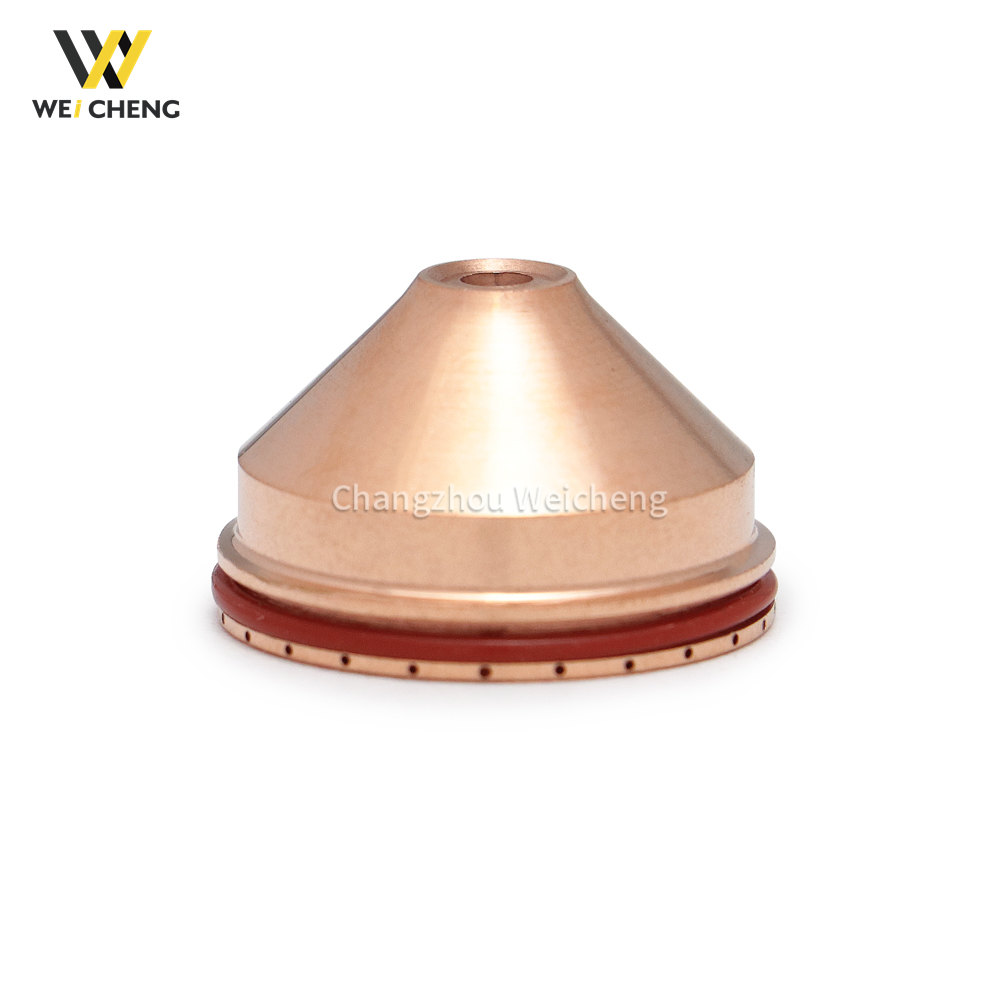
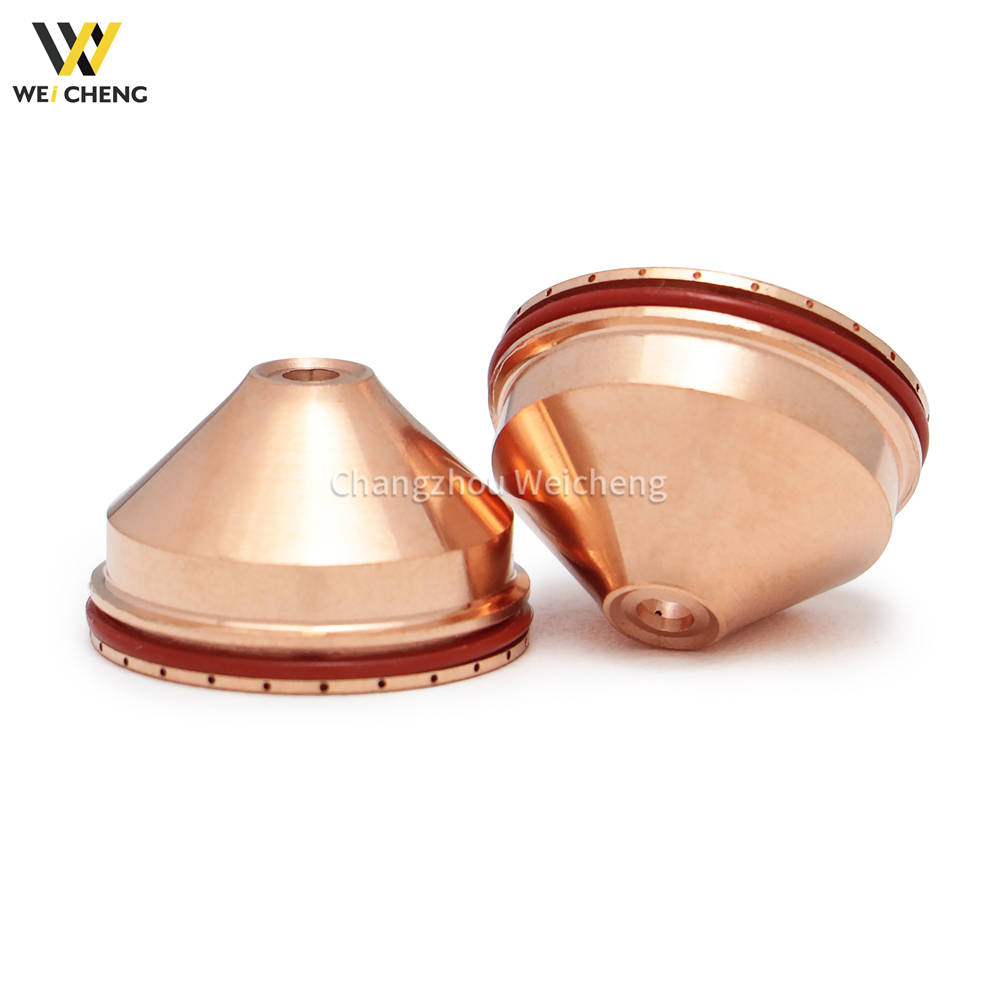
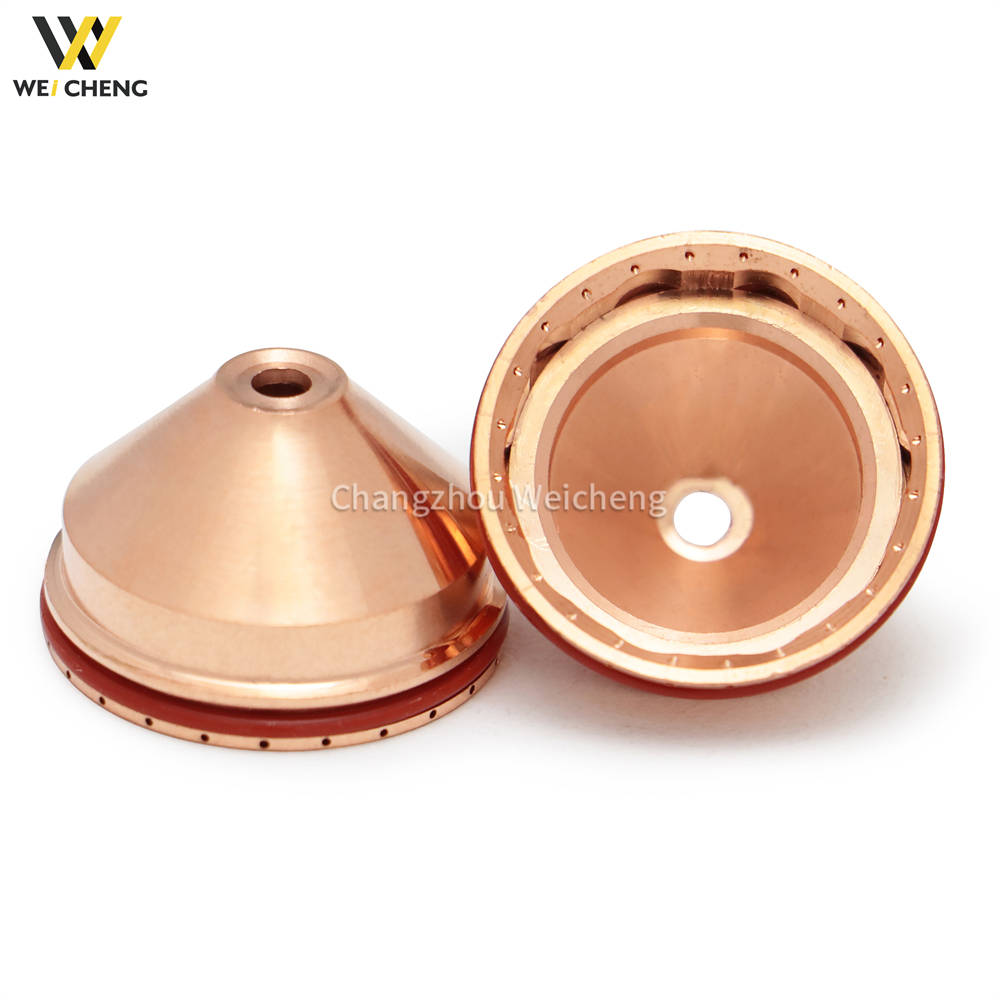
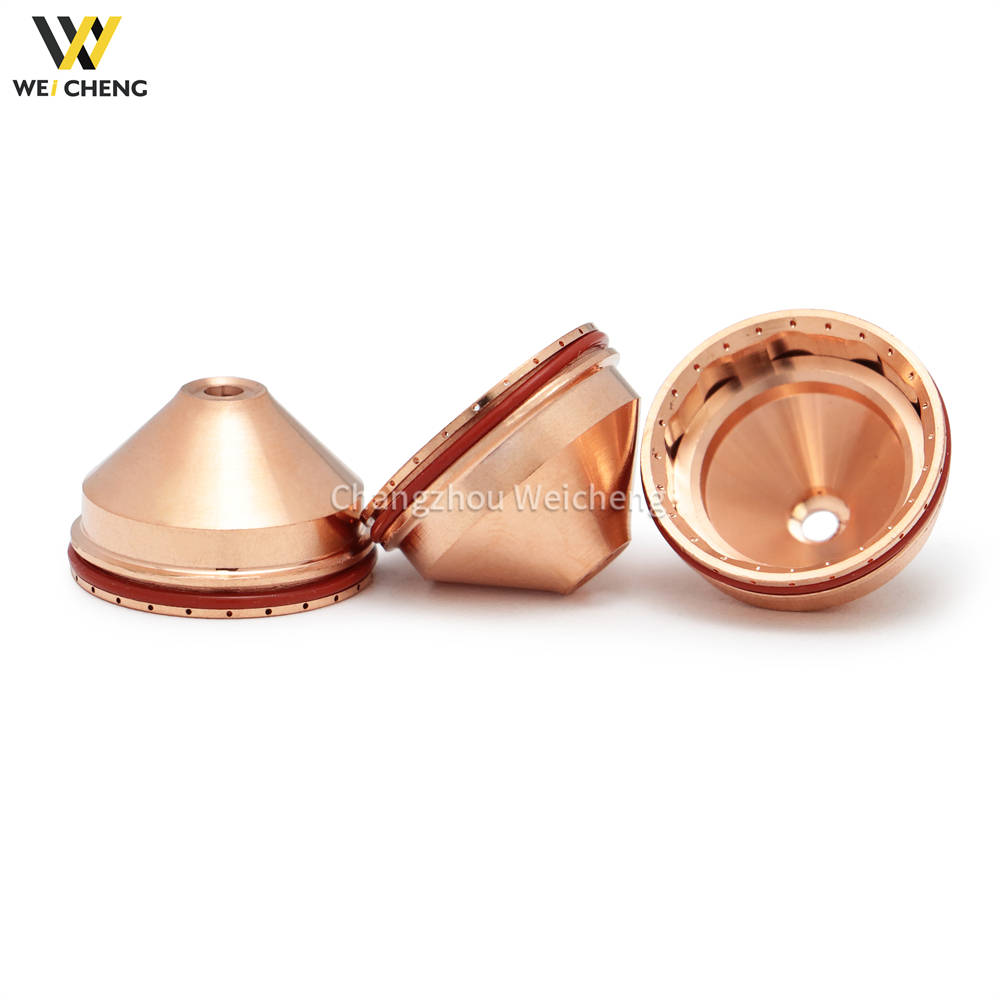
Thermal Dynamics 22-1171 Shield Cap: Engineered Resilience for High-Output Plasma Torch Protection
Introduction: The Critical Role of Premium Torch Protection
In the demanding cycle of industrial plasma cutting, consumables are a fact of life. Yet, not all consumables are created equal. The shield cap, often overlooked, is the critical frontline defense that determines the lifespan of more expensive components and the consistency of your cut quality. For high-amperage applications and operations pushing the limits of their system’s duty cycle, a standard shield cap is a liability. The Thermal Dynamics 22-1171 Shield Cap is engineered to be the definitive solution. This component is not merely a replaceable part; it is a high-performance asset designed to endure the intense thermal and physical abuse of heavy fabrication, structural work, and automated cutting, ensuring your torch operates at peak performance.
Choosing the Thermal Dynamics 22-1171 Shield Cap is a strategic decision to eliminate a primary point of failure. It directly addresses the core challenges of high-spatter processes: spatter fusion that obstructs gas flow, thermal degradation that leads to cracking, and premature failure that exposes your torch to catastrophic damage. This article details the superior engineering, advanced materials, and operational benefits that make this shield cap an essential upgrade for professionals who prioritize reliability and cost-effectiveness.
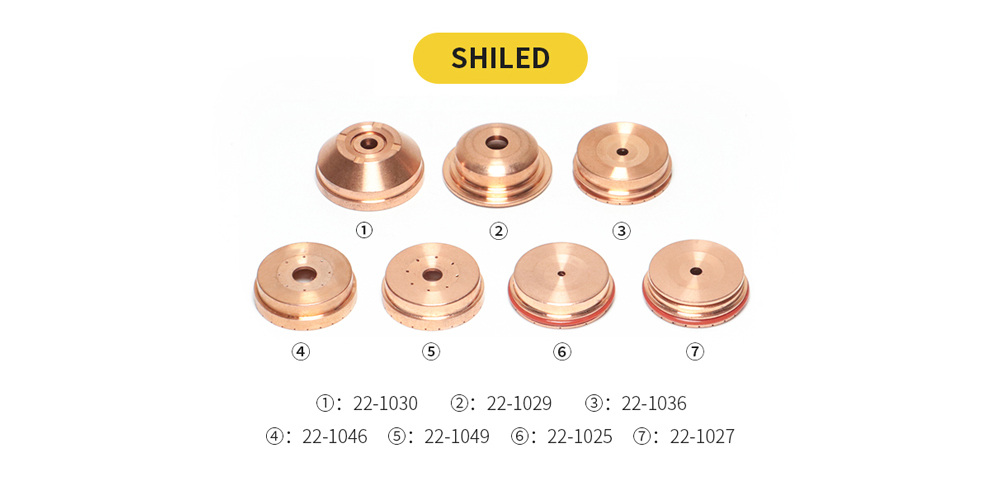
Core Engineering: A Multi-Layer Defense System
The Thermal Dynamics 22-1171 Shield Cap functions as an integrated protective system with several key roles:
-
Advanced Spatter Abatement: Its primary role is to intercept and repel molten metal. A specialized surface treatment and material composition prevent spatter from bonding chemically, allowing it to be easily removed.
-
Precision Gas Flow Management: The shield cap’s exit orifice is meticulously designed to finalize the shielding gas column. This gas stream cools the nozzle and protects the cut face from oxidation, and any distortion in the orifice directly translates to poor cut quality and excessive dross.
-
Thermal Buffer and Heat Sink: It absorbs and dissipates radiant heat from the plasma arc and molten puddle, protecting the torch’s insulator and internal seals from thermal stress.
-
Physical Armor for the Torch: It acts as a sacrificial barrier against accidental contact with the workpiece, preventing costly damage to the torch body’s threads and electrical connections.
Key Advantages of the Thermal Dynamics 22-1171 Shield Cap:
-
Unrivaled Spatter Release: Proprietary material science ensures spatter does not weld itself to the cap, drastically reducing cleaning time and maintaining performance.
-
Exceptional Thermal & Structural Durability: Built to resist cracking and deformation from repeated thermal cycling and physical impact, even in high-amperage (100A+) applications.
-
Extended Nozzle and Electrode Life: By providing a stable, clean operating environment and preventing double-arcing, it directly contributes to maximizing the service life of your entire consumable set.
-
Guaranteed Process Consistency: Maintains precise gas flow geometry throughout its lifespan, ensuring repeatable cut quality and arc stability from the first pierce to the last.
Material Science & Technical Specifications
The Thermal Dynamics 22-1171 Shield Cap achieves its performance through a combination of high-grade materials and precision manufacturing. It is typically constructed from a fiber-reinforced, high-temperature composite ceramic. This material selection is crucial: it provides excellent electrical insulation to prevent secondary arcing, outstanding resistance to thermal shock, and inherent hardness to resist abrasion. The interior and exit orifice are often finished with a smooth, non-stick coating to further enhance spatter release.
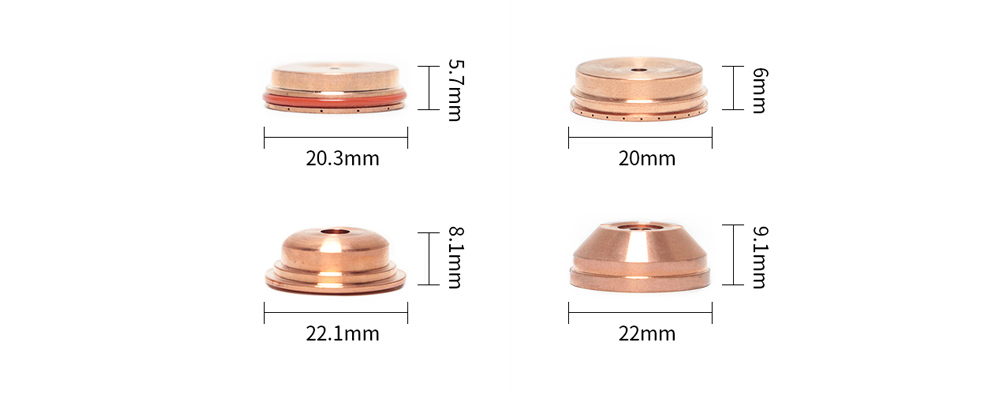
| Parameter | Thermal Dynamics 22-1171 Shield Cap (High-Performance) | Standard OEM Shield Cap | Economy/Aftermarket Cap |
|---|---|---|---|
| Core Material | Fiber-Reinforced High-Temp Ceramic Composite | Standard polymer or basic ceramic | Low-grade, often brittle plastic |
| Max Continuous Temp Rating | > 500°F (260°C) – Withstands sustained high-amperage heat | ~350°F (177°C) | Often unrated; deforms under load |
| Spatter Adhesion | Very Low – Non-stick, easy-clean surface | Moderate – Requires aggressive cleaning | High – Spatter bonds permanently |
| Orifice Precision & Stability | CNC-machined or precision molded; maintains shape | Molded to spec; may wear over time | Often out-of-round; degrades quickly |
| Impact & Crack Resistance | Excellent – Reinforced structure | Good | Poor – High risk of shattering |
| Expected Service Life | 2-3X longer in high-duty applications | Baseline lifespan | 30-50% of baseline; fails unpredictably |
| Return on Investment | High – Protects expensive nozzles/torch | Standard | Negative – Causes downstream damage & downtime |
*Table 1: Technical comparison demonstrating the engineered superiority and long-term value of the Thermal Dynamics 22-1171 Shield Cap.*
Targeted Application Scenarios
The Thermal Dynamics 22-1171 Shield Cap delivers maximum value in the most punishing applications:
-
High-Amperage Plate Cutting (80-100A+): Essential for piercing and cutting thick plate (1” and above) where spatter volume and heat are extreme.
-
CNC Plasma Table Operations: On automated systems, a failing shield cap causes undetected quality issues and can lead to torch crashes. The 22-1171’s reliability is critical for unattended operation.
-
Cutting Coated or Contaminated Metals: Processing galvanized, painted, or rusted material generates excessive, sticky spatter that quickly disables inferior caps.
-
Production Fabrication & Structural Steel Shops: Environments with long arc-on times and high consumable usage, where equipment reliability directly impacts throughput.
-
Severe Service and Offshore/Marine Work: Where equipment failure is not an option and conditions are harsh.
The Complete Consumable Ecosystem
For optimal system performance, the Thermal Dynamics 22-1171 Shield Cap should be used as part of a matched, high-quality consumable set:
-
High-Duty Nozzle & Electrode: Pair it with nozzles and electrodes designed for high-amperage work (e.g., 9-8207 electrode, 9-8205/9-8209 nozzle) to ensure balanced performance.
-
Retaining Cap (Swirl Ring): This component creates the initial gas vortex. Ensure it is the correct, unworn part for your torch model.
-
Torch Body Inspection: A damaged or worn seat on the torch body can prevent any shield cap from sealing correctly. Periodically inspect for wear or scoring.
-
Preventive Maintenance Kit: Consider replacing the shield cap as part of a scheduled maintenance kit that includes all front-end consumables.

Frequently Asked Questions (FAQ)
Q1: Is the Thermal Dynamics 22-1171 Shield Cap compatible with my specific torch model?
A: The part number 22-1171 is designed for specific Thermal Dynamics torch families, often those used in high-amperage manual and machine applications. Compatibility is not universal. You must verify the part number against your torch’s official operator manual, parts diagram, or by providing your exact torch model and serial number to a supplier. Do not assume fitment.
Q2: How often should I replace this shield cap compared to a nozzle?
A: The Thermal Dynamics 22-1171 Shield Cap has a much longer service life than a nozzle. A good practice is to inspect it every time you change a nozzle. Replace it when you see: significant orifice erosion (more than a 10% increase in diameter), deep cracking, or spatter buildup that cannot be cleaned without damaging the surface. In high-use scenarios, proactively replacing it every 3-5 nozzle changes is wise.
Q3: Can a high-quality shield cap like the 22-1171 actually improve cut quality?
A: Yes, indirectly but significantly. A precision orifice ensures consistent, laminar shielding gas flow, which is critical for a clean cut face and minimal dross. A worn or poor-quality cap causes turbulent gas flow, leading to oxidation, irregular bevel, and increased secondary cleanup. The 22-1171 maintains this critical geometry.
Q4: What is the proper cleaning procedure to maximize its life?
A: 1. Allow the cap to cool completely. 2. Tap it firmly to dislodge loose spatter. 3. Use a dedicated nozzle reamer tool or a soft brass brush to clean the orifice and face. 4. CRITICAL: Never use a steel wire wheel, chisel, or grinder. These will score the surface, creating sites for spatter to bond more aggressively. 5. Ensure threads and sealing surfaces are clean before reinstalling.
Q5: Why is the initial cost higher, and how is it justified?
A: The higher cost reflects advanced materials, precision manufacturing, and R&D. Justification is through Total Cost of Ownership (TCO). The Thermal Dynamics 22-1171 Shield Cap prevents the far greater costs associated with: frequent nozzle replacement due to double-arcing, torch body repair from spatter damage, and unplanned production downtime. It is an investment in prevention that pays dividends in reliability.
Conclusion: The Definitive Upgrade for Uncompromising Performance
In plasma cutting, true cost is measured in downtime, scrap, and unexpected repairs. The Thermal Dynamics 22-1171 Shield Cap is engineered to be a zero-compromise component that safeguards your productivity. It transforms the shield cap from a disposable item into a durable system component that actively enhances torch performance and protects your capital investment.
For professionals who demand reliability from every part of their operation, the choice is clear. Upgrade your frontline defense to the standard of resilience. Choose the Thermal Dynamics 22-1171 Shield Cap.
Invest in durability and consistency. Equip your high-output Thermal Dynamics torch with the 22-1171 Shield Cap for unparalleled protection and performance.
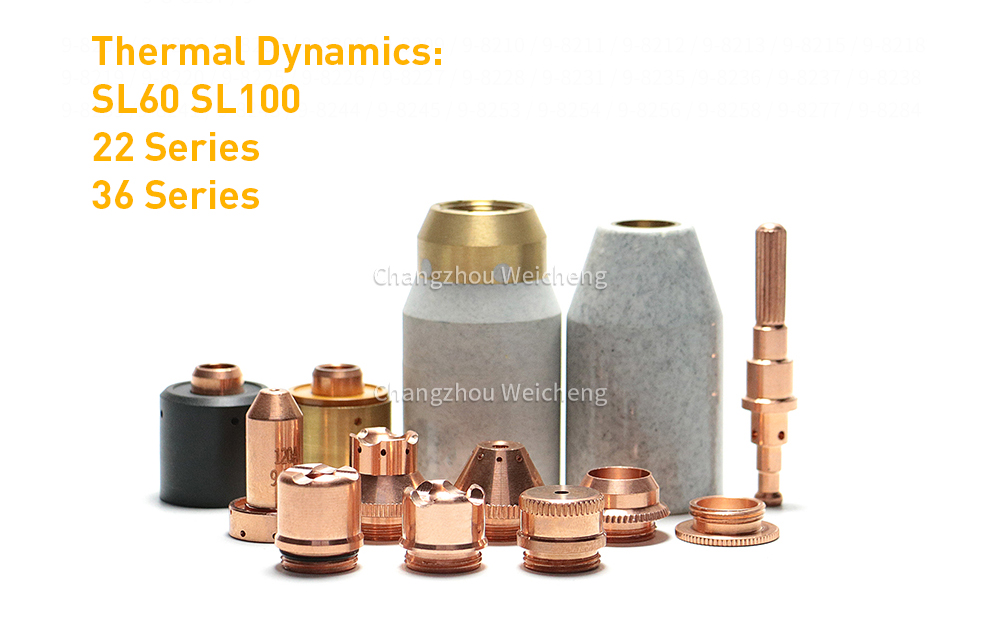
|
Shield Gas Distributor
|
36-1273
|
Shield Cup
|
22-1016
|
|
Shield Gas Distributor
|
36-1282
|
Shield Cap
|
22-1025
|
|
Shield Gas Distributor
|
36-1280
|
Shield Gas
|
22-1272
|
|
Shield Cup
|
36-1018
|
Plasma Gas Distributor
|
22-1041
|
|
Shield Retainer
|
36-1019
|
Electrode
|
22-1069
|
|
Cartridge
|
36-1020
|
Cartridge
|
22-1020
|
|
Shield Cup
|
36-1016
|
Shield Cap
|
22-1027
|
|
Shield Cap
|
36-1025
|
Nozzle
|
22-1153
|
|
Shield Cap
|
36-1028
|
Electrode
|
22-1171
|
|
Shield Cap
|
36-1029
|
Shield Cap
|
22-1030
|
|
Shield Cap
|
36-1034
|
Shield Gas Distributor
|
22-1285
|
|
Shield Gas Distributor
|
36-1272
|
Nozzle
|
22-1055
|
|
Nozzle
|
36-1051
|
Plasma Gas Distributor
|
22-1042
|
|
Nozzle
|
36-1053
|
Electrode
|
22-1075
|
|
Nozzle
|
36-1060
|
Cartridge
|
22-1022
|
|
Nozzle
|
36-1055
|
Shield Cap
|
22-1028
|
|
Nozzle
|
36-1058
|
Shield Cap
|
22-1275
|
|
Nozzle
|
36-1064
|
Nozzle
|
22-1054
|
|
Plasma Gas Distributor
|
36-1041
|
Electrode
|
22-1072
|
|
Electrode
|
36-1069
|
Cartridge
|
22-1020
|
|
Shield Cap
|
36-1027
|
Nozzle
|
21-1052
|
|
Electrode
|
36-1071
|
Nozzle
|
21-1055
|
|
Electrode
|
36-1089
|
Electrode
|
21-1075
|
|
Electrode
|
36-1085
|
Electrode
|
21-1093
|
|
Shield Gas Distributor
|
36-1273
|
Nozzle
|
21-1152
|
|
Shield Gas Distributor
|
21-1272
|
Nozzle
|
21-1153
|
|
Shield Gas Distributor
|
21-1285
|
Electrode
|
21-1170
|
|
please contact us!
|
Electrode
|
21-1171
|
|


Reviews
There are no reviews yet.