

Plasma cutter consumables are the heart of your cutting system, directly affecting quality, speed, and costs. This guide covers everything you need to know about consumables for plasma cutter – from types and selection to replacement timing and cost optimization. Whether you’re troubleshooting poor cuts or planning your maintenance budget, you’ll find actionable solutions backed by industry data and expert insights.
What Are Consumables for Plasma Cutter?
Simply put, consumables for plasma cutter are the replaceable parts inside your torch that wear out during cutting. These parts face extreme conditions – temperatures over 20,000°C and intense electrical arcs that gradually erode them. Plasma Torch Electrode Nozzle Swirl Ring Shield Cap Retaining Cap Essential Consumables for Plasma Cutter
Think of plasma cutter consumables like brake pads on your car. They’re designed to wear out so your expensive equipment doesn’t get damaged. The key is knowing when to replace them and how to choose the right ones.
Industry Fact: The global plasma torches and consumables market reached $1.54 billion in 2025 and is projected to grow at 4.5% CAGR through 2033, according to Global Growth Insights research.
Essential Types of Consumables for Plasma Cutter
Let’s break down the five main types of plasma consumables you need to know:
1. Electrodes – The Heart of Your System
Plasma cutter electrodes conduct electricity and create the arc. They’re typically made from copper with hafnium tips. Here’s what makes them critical:
- Function: Initiate and maintain the plasma arc
- Wear pattern: Develop pits from arc erosion
- Replacement trigger: When pitting exceeds 1-1.6mm depth
- Lifespan: Varies by amperage and cutting time
2. Nozzles – Precision Control Components
The plasma cutter nozzle guide explains how these parts focus the plasma stream. Different nozzle types serve specific purposes:
| Nozzle Type | Best For | Key Features |
|---|---|---|
| Standard | General cutting | Basic design, cost-effective |
| Shielded | Fine work | Better edge quality, longer life |
| Drag Tip | Handheld cutting | Contact cutting, easier control |
3. Swirl Rings – Gas Flow Controllers
These components direct gas flow around the electrode, creating the swirling motion that stabilizes the arc. When they wear out, you’ll notice:
- Unstable arc behavior
- Reduced cut quality
- Shorter electrode life
4. Shield Caps and Retaining Caps
These protective components work together to:
- Shield inner parts from spatter
- Hold the consumable stack in proper alignment
- Protect against mechanical damage
How to Choose the Right Consumables for Plasma Cutter
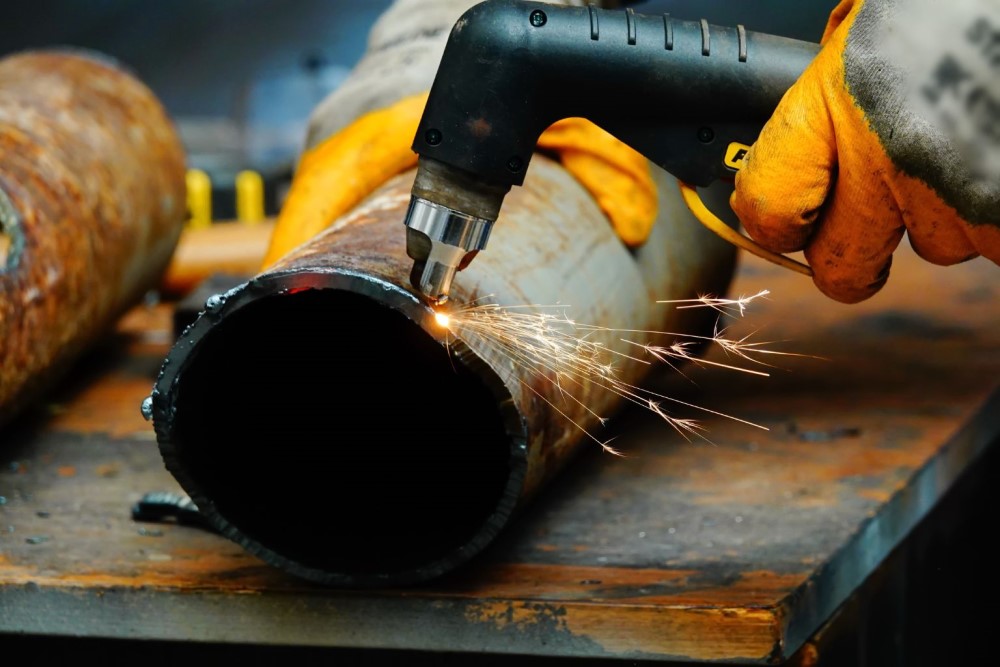
Selecting the wrong consumables costs you money and cuts quality. Here’s how to get it right:
Critical Rule: Always match consumables to your specific torch model. Using incompatible parts can damage your equipment and void warranties.
The selection process involves three key factors:
- Torch Compatibility: Check your manual for exact part numbers
- Amperage Requirements: Higher amps need heavy-duty consumables
- Material and Thickness: Different metals require specific consumable types
Want to know if consumables work across different brands? Check our guide on plasma cutter consumables interchangeable compatibility.
OEM vs. Aftermarket Consumables
This choice affects both cost and performance:
| Factor | OEM Consumables | Aftermarket Consumables |
|---|---|---|
| Initial Cost | Higher (20-40% more) | Lower |
| Quality Consistency | Guaranteed | Varies by manufacturer |
| Warranty Coverage | Full protection | May void torch warranty |
| Performance | Optimized for torch | Good quality brands perform well |
When to Replace Consumables for Plasma Cutter
Knowing when to replace consumables saves money and prevents poor cuts. Here are the warning signs:
Visual Inspection Checklist
Perform these checks regularly to maximize plasma cutter electrode life:
- Electrode pitting: Replace when pits exceed 1.6mm deep
- Nozzle wear: Check for enlarged or oval-shaped holes
- Swirl ring damage: Look for cracks or wear patterns
- Shield cap condition: Replace if cracked or heavily spattered
⚠️ Warning Signs
- Rough or beveled cuts
- Excessive dross buildup
- Difficult arc starting
- Increased cutting time
- More frequent arc outages
✅ Action Steps
- Inspect consumables daily
- Replace worn parts immediately
- Keep spare sets on hand
- Document replacement dates
- Train operators on inspection
Replacement Frequency Data
Industry data shows typical replacement intervals:
- Heavy industrial use: Every 3-5 weeks
- Medium fabrication: 6-8 weeks
- Light hobby use: 3-6 months
These intervals depend on factors like amperage, material thickness, and operator skill. Learn more about plasma cutter consumables life optimization.
Cost Analysis of Consumables for Plasma Cutter
Understanding consumable costs helps you budget effectively and choose the right quality level:
Cost Reality: Consumables typically represent 15-25% of total plasma cutting operational costs, according to The Fabricator magazine research.
Budget Planning Framework
Here’s how to calculate your consumable costs:
- Track Usage: Monitor hours of operation and replacement frequency
- Calculate Cost Per Hour: Divide consumable set cost by lifespan hours
- Factor in Downtime: Include costs of production stops for changes
- Quality Impact: Consider rework costs from poor consumables
ROI of Quality Consumables
Higher-quality consumables often provide better value:
| Consumable Quality | Initial Cost | Lifespan | Cut Quality | Total Cost of Ownership |
|---|---|---|---|---|
| Premium OEM | High | Longest | Excellent | Often lowest |
| Quality Aftermarket | Medium | Good | Very Good | Competitive |
| Budget Options | Low | Shortest | Variable | Often highest |
Common Problems with Consumables for Plasma Cutter
Recognizing problems early prevents costly damage. Here are the most frequent issues and solutions:
Cut Quality Problems
Poor cuts usually trace back to worn consumables. Learn more about common issues when plasma cutting:
- Rough edges: Usually indicates worn nozzle or electrode
- Excessive dross: Often caused by incorrect consumable selection
- Beveled cuts: May indicate worn swirl ring or nozzle damage
- Wide kerfs: Typically from enlarged nozzle orifices
Premature Consumable Failure
Several factors can reduce consumable life:
- Wrong amperage settings: Too high burns consumables quickly
- Contaminated gas: Dirty air shortens electrode life
- Poor technique: Incorrect speed or standoff damages parts
- Inadequate maintenance: Dirty consumables fail faster
For specific solutions, check our maintenance tips for plasma cutting consumables.
Maintenance Best Practices
Proper care extends consumable life significantly. Here’s what works:
Storage Guidelines
Follow these plasma consumable storage best practices:
- Store in clean, dry environment
- Avoid temperature extremes
- Keep original packaging until use
- Use FIFO (first in, first out) rotation
- Protect from contamination
Daily Maintenance Routine
- Visual inspection: Check for obvious wear or damage
- Clean consumables: Remove spatter and debris gently
- Check alignment: Ensure proper assembly
- Record condition: Track wear progression
Industry Applications and Trends
Different industries have unique consumable requirements:
Automotive Manufacturing
The automotive industry represents 30% of global plasma torch demand, requiring high-precision consumables for body panel cutting.
Aerospace Industry
In aerospace applications, consumable quality is critical for meeting tight tolerances on titanium and high-strength alloys.
Shipbuilding Sector
Shipbuilding operations demand heavy-duty consumables for thick steel cutting, often 24/7 operations.
Market Insight: Construction industry accounts for 22% of plasma torch sales in China, driven by infrastructure development projects.
Future of Plasma Cutting Technology
Emerging trends are reshaping consumable design:
- IoT Integration: Smart consumables with wear sensors
- Automated Systems: Over 25% of new installations include automation
- Energy Efficiency: New designs reduce power consumption
- Extended Lifespan: Advanced materials last longer
Stay updated with the latest plasma technologies developments.
Conclusion
Consumables for plasma cutter are more than just replaceable parts – they’re the key to profitable, high-quality cutting operations. Remember these critical points:
- Choose consumables based on your specific torch model and application
- Replace consumables at first signs of wear to maintain quality
- Invest in quality consumables for better total cost of ownership
- Follow proper maintenance and storage practices
- Track usage patterns to optimize replacement schedules
Ready to improve your cutting performance? Start by auditing your current consumable practices and implementing the strategies outlined in this guide.


