

Metal cutting is a crucial skill in welding and fabrication. We’ll explore two main technologies: plasma cutting and cutting torches. Let’s look at why choosing the right tool matters and how these methods compare.
The Critical Role Of Metal Cutting In Welding And Fabrication
Metal cutting is key in many projects. We use it to shape parts, make joints, and fix structures. Good cuts mean stronger welds and better-looking work. It’s not just about cutting – it’s about precision and efficiency too.
The right cutting method can save time and money. It can also improve safety on the job. Whether we’re working on a small home project or a big industrial job, cutting matters. That’s why we need to pick our tools wisely.
The Importance Of Making The Right Choice
Choosing between a plasma cutter and a cutting torch is big. Each tool has its strengths. We need to think about what we’re cutting, how thick it is, and where we’re working.
Cost is also important. Plasma cutters can be pricey up front, but they might save money over time. Cutting torches are often cheaper to buy but can use more gas. We also have to consider how easy each tool is to use and how fast it works.
The right choice can make our work easier and better. It can help us finish jobs faster and make our customers happier.
Overview Of Two Major Technologies: Plasma Cutting Vs Cutting Torch
Plasma cutting and cutting torches are both great for metal work, but they’re quite different.
Plasma cutters use electricity to create super-hot plasma. This plasma melts through metal fast. They’re great for thin to medium-thick metals and make clean cuts. Plasma cutters need power, so they’re not always portable.
Cutting torches use gas to make a very hot flame. They can cut through thick metal and work without electricity. Torches are often more portable than plasma cutters. But they can be slower and might warp the metal more.
Both tools have their place in a shop. Understanding their differences helps us pick the best one for each job.
Understanding Plasma Cutting Technology
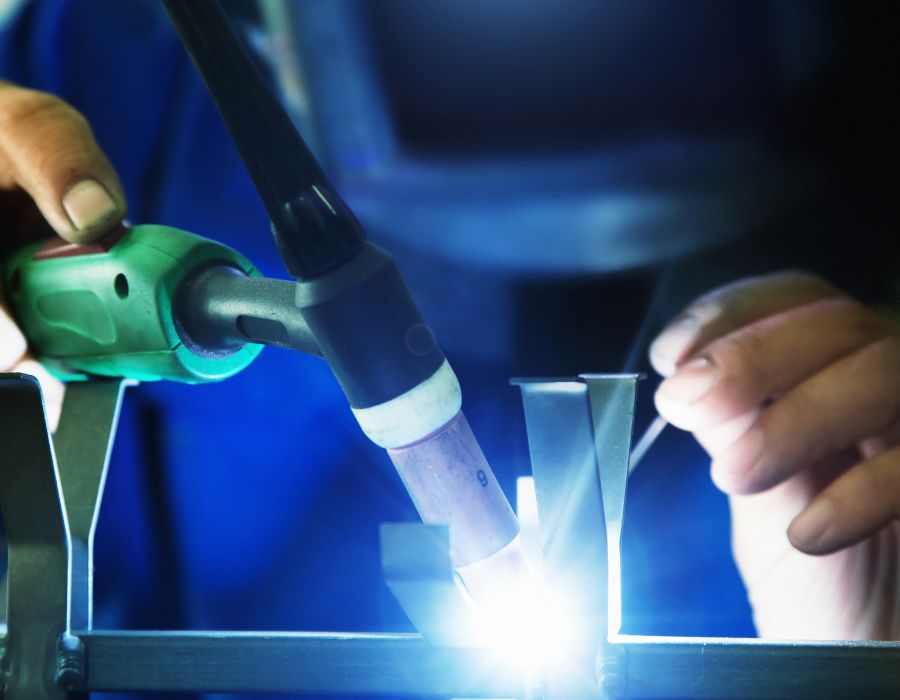
Plasma cutting is a game-changing method for slicing through metal. It uses a high-speed jet of ionized gas to make precise cuts in various materials.
What Is Plasma Cutting
Plasma cutting works by sending an electric arc through a gas that passes through a small nozzle. This creates plasma, a super-heated state of matter. The plasma jet then melts the metal and blows away the molten material.
We love how plasma cutters can handle many types of metal. They’re great for aluminum, stainless steel, and other non-ferrous metals. The process is fast and leaves a clean edge.
One cool thing about plasma cutting is the small heat-affected zone. This means less warping of the metal around the cut. It’s perfect for projects that need tight tolerances.
Modern Plasma Cutting Systems
Today’s plasma cutters are a far cry from early models. They’re more powerful, precise, and user-friendly. Many systems now use computer controls for even better accuracy.
We’ve seen big improvements in torch design too. New torches last longer and cut faster. Some even have special tips for different metals.
Plasma cutters now come in all sizes. You can get a small handheld unit or a big industrial machine. This makes plasma cutting accessible for all kinds of jobs.
Detailed Capabilities And Limitations
Plasma cutters excel at cutting thin metals. They can slice through sheets up to 1 inch thick with ease. For thicker materials, other methods might work better.
Here’s a quick look at what plasma cutters can do:
- Cut speed: Up to 500 inches per minute on thin steel
- Precision: As fine as 0.02 inches
- Material range: Most metals, including rusty or painted surfaces
But plasma cutters aren’t perfect for everything. They struggle with very thick metals. The cut quality can also drop on edges or corners.
We’ve found plasma cutting works best when you match the machine to the job. For thin, precise cuts, it’s hard to beat. But for structural steel, a cutting torch might be better.
Deep Dive Into Oxy-Fuel Cutting

Oxy-fuel cutting is a powerful method for slicing through metal. It uses a special torch and gases to create intense heat and precise cuts. Let’s explore how it works, what you need, and how to use it.
The Science Behind Oxy-Fuel Cutting
Oxy-fuel cutting relies on a chemical reaction between oxygen and metal. Here’s how it happens:
- The torch heats the metal to its ignition point (about 870°C for steel).
- A stream of pure oxygen then hits the hot metal.
- This causes the metal to burn and form iron oxide (rust).
- The high-pressure oxygen stream blows away the molten metal and oxide.
This process keeps going, creating a cut through the metal. It’s like a controlled, super-hot rust reaction that eats through the material.
System Components And Setup
To set up an oxy-fuel cutting system, you’ll need these key parts:
- Cutting torch
- Oxygen tank
- Fuel gas tank (usually acetylene or propane)
- Regulators for each tank
- Hoses to connect everything
The torch is the main tool. It has two pipes – one for the fuel mix and one for pure oxygen. You’ll also need safety gear like goggles and gloves.
Setting up is straightforward:
- Connect hoses to tanks
- Attach regulators
- Connect torch to hoses
- Set proper gas pressures
Operational Characteristics
Using an oxy-fuel torch takes practice, but it’s not too hard. Here are some key points:
- It works best on thick, ferrous metals (like steel).
- You can cut shapes and bevels easily.
- The cut width (kerf) is wider than with plasma cutting.
- It’s slower than plasma, but can cut thicker materials.
- You can use it outdoors or in windy conditions.
We like oxy-fuel for its versatility. You can adjust the flame for different metals and thicknesses. It’s also great for heating metal for bending or straightening.
Remember, safety is crucial. Always work in a well-ventilated area and keep a fire extinguisher handy. With proper care, oxy-fuel cutting is a valuable skill for any metal worker.
Plasma Cutter vs Cutting Torch: Comprehensive Comparison

Plasma cutters and cutting torches each have unique strengths and weaknesses. Let’s break down how they stack up in key areas to help you choose the right tool for your needs.
Performance Metrics
Plasma cutters excel at speed and precision. They can zip through thin metals up to 5 times faster than torches. For materials under 1 inch thick, plasma usually wins on speed.
Torches shine with thicker metals. They can handle plates up to 12 inches, while most plasmas top out around 2 inches. Torches also produce a wider kerf, which can be good or bad depending on your project.
We’ve found plasma gives cleaner cuts with less warping. This means less post-cut cleanup. Torches tend to leave more slag and can distort thin materials.
Practical Considerations
Plasma cutters are easier to use and safer overall. They’re more portable and produce less heat and fumes. This makes them great for indoor work.
Torches are more versatile. They can cut, weld, braze, and heat metals. You’re not limited to just cutting. They also work without electricity, making them useful in remote areas.
We’ve noticed plasma cutters struggle with rusty or painted surfaces. Torches blast right through these with no issues. For salvage work or dirty materials, torches often work better.
Economic Factors
Upfront costs for plasma cutters are higher. But they have lower operating costs over time. Consumables like electrodes and nozzles need replacing, but gas costs are lower than for torches.
Torches are cheaper to buy but cost more to run. You’ll spend more on gases over time. They’re often more cost-effective for occasional use or very thick materials.
We’ve calculated that for most shops, plasma becomes more economical after about 500 hours of use. Your mileage may vary based on material thickness and cut volume.
Application-Specific Analysis

Plasma cutters and cutting torches each have their own strengths for different metal cutting jobs. Let’s look at how they compare in various industrial and specialized uses, as well as some hybrid approaches.
Industrial Applications
In factories and workshops, plasma cutters shine for precision work on thinner metals up to about 1 inch thick. We find them great for cutting intricate designs and shapes in sheet metal. Their clean, narrow cuts leave minimal slag, which saves time on finishing.
Cutting torches handle thicker materials better, up to 12 inches or more. They’re the go-to for demolition, scrapping, and cutting heavy steel plates. Though slower, torches can power through thick metal that would stump a plasma cutter.
For production lines, plasma’s speed gives it an edge. But torches still rule for field work where power isn’t always available.
Specialized Use Cases
Plasma excels at detailed work like HVAC ductwork and artistic metal sculptures. Its precise cuts let us create complex patterns easily. We use it for sign-making, automotive bodywork, and custom fabrication.
Cutting torches are kings of shipbreaking and bridge demolition. Their ability to slice through thick steel makes them essential for large-scale deconstruction projects. We also rely on them for underwater cutting, where plasma can’t operate.
For pipeline work, torches are often preferred. They can cut and bevel pipe edges in one pass, saving time in the field.
Hybrid Approaches
Some jobs call for both tools. We might use a torch to roughly cut large pieces, then switch to plasma for finishing touches and more precise cuts. This combo approach maximizes efficiency.
In automated systems, we sometimes see plasma and oxy-fuel heads on the same machine. This setup lets us quickly switch between methods based on material thickness or cut quality needs.
For repair work, having both options is ideal. Plasma works great for thin body panels, while torches can handle frame repairs on thicker steel.
Key Factors To Consider
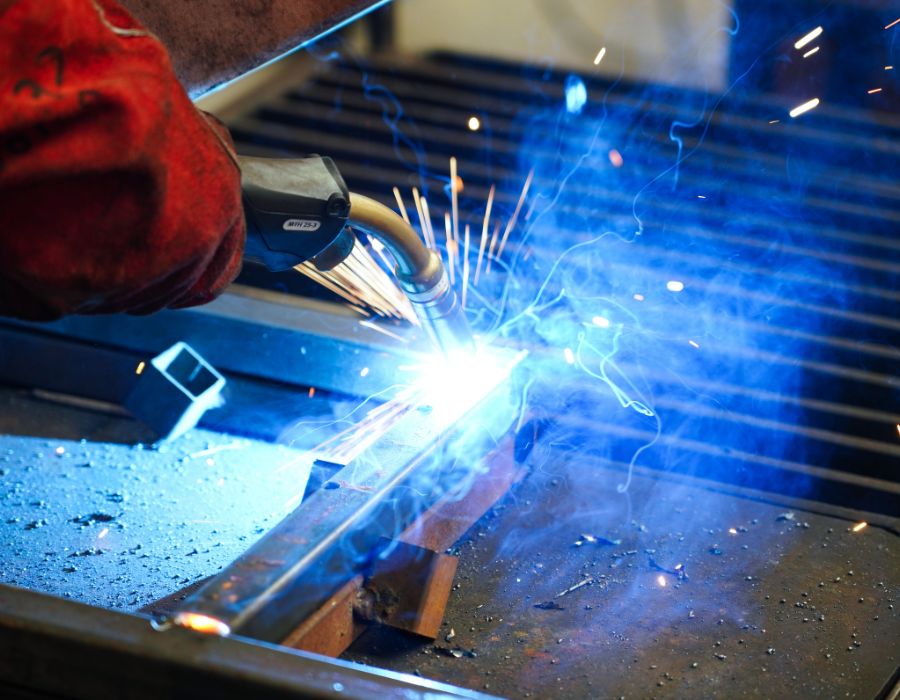
When choosing between a plasma cutter and cutting torch, it’s important to weigh several factors. These include the types of materials you’ll be working with, your work setup, and budget considerations.
Decision-Making Framework
Material types and thickness
We recommend plasma cutters for thinner metals up to about 1 inch thick. They excel at cutting steel, aluminum, and stainless steel. For thicker materials over 1 inch, cutting torches often work better. They can handle steel plates up to 12 inches or more.
Work environment
Plasma cutters need electricity and compressed air. They’re great for indoor use since they produce less smoke and fumes. Cutting torches use fuel gases, making them more portable for outdoor jobs. They can work anywhere without power.
Budget constraints
Plasma cutters have higher upfront costs but lower operating expenses. Cutting torches are cheaper to buy but need ongoing fuel purchases. For occasional use, a torch may be more economical. High-volume shops often save money long-term with plasma.
Real-World Scenarios
A small auto repair shop might prefer a cutting torch for its versatility and lower initial cost. They can use it for heating, bending, and welding too.
A fabrication business doing precise cuts on thin sheet metal would benefit from a plasma cutter’s speed and accuracy.
For a farm or ranch, a portable oxy-fuel torch could be ideal for field repairs without electricity.
A artist working with metal sculptures might choose plasma for clean, detailed cuts on various materials.
We’ve seen hobbyists start with torches and upgrade to plasma as their skills and projects grow more complex.
Future Trends And Conclusions
New technologies are changing how we cut metal. Let’s look at what’s coming next and how to choose the right tool.
Technological Developments
We’re seeing exciting advances in both plasma cutters and cutting torches. Plasma cutters are getting more precise and powerful. New models can cut thicker metal faster than ever. They’re also becoming more portable, making them easier to use on job sites.
Cutting torches aren’t standing still either. Improved nozzle designs are boosting efficiency. Some new torches can switch between different gases quickly. This makes them more versatile.
Both tools are getting smarter too. Computer controls are making cuts more accurate. Some systems can even plan the best cutting path on their own.
Making The Final Choice
Picking between a plasma cutter and a cutting torch isn’t always easy. It often comes down to what you’ll be cutting most often.
For thin to medium metals, plasma cutters usually win. They’re faster and leave a cleaner edge. But for very thick metals, cutting torches still have an edge.
Cost is another big factor. Plasma cutters cost more upfront but can save money over time. They use less gas and electricity per cut. Torches are cheaper to buy but can cost more to run.
Think about where you’ll be working too. If you need to cut in tight spaces or outdoors, a portable plasma cutter might be best.
Recommendations For Different User Types
For hobbyists and small shops, we often suggest starting with a plasma cutter. They’re easier to use and more versatile. Look for a model that can cut up to 1/2 inch thick metal.
Larger shops might want both tools. Use plasma cutters for most jobs, but keep a torch around for thick metals.
Construction crews should consider portable plasma cutters. They’re getting lighter and more rugged every year.
For salvage yards or demolition work, heavy-duty cutting torches are still king. They can handle thick, rusty metal better than most plasma cutters.
Remember, the best tool is the one that fits your specific needs and budget. Don’t be afraid to try both before you buy.


