

Plasma cutting nozzles are the unsung heroes of metal fabrication. We’ve seen how these small but mighty components can make or break a project. The right nozzle can dramatically improve cut quality, speed, and efficiency in plasma cutting operations.
Ever wondered why your cuts aren’t as clean as you’d like? It might be time to take a closer look at your nozzle. Plasma cutter nozzles come in various sizes and types, each designed for specific applications and materials. Choosing the right one can be tricky, but we’re here to help you navigate this essential aspect of plasma cutting.
We’ll explore everything from nozzle types to maintenance tips. Whether you’re a DIY enthusiast or a professional fabricator, understanding plasma cutter nozzles is key to getting the best results. Let’s dive in and uncover the secrets of these tiny but crucial components!
Key Takeaways
- Nozzle selection greatly impacts cut quality and efficiency
- Regular maintenance extends nozzle life and performance
- Understanding amperage and material thickness helps in choosing the right nozzle

Types Of Plasma Cutter Nozzles
Plasma cutter nozzles come in different types, each with unique features and uses. Let’s explore the main nozzle types and how they can help you get the best cuts.
Standard Nozzle
Standard nozzles are the workhorses of plasma cutting. We love these for their versatility and ease of use. They work well for most cutting jobs and materials.
These nozzles have a simple design with a single orifice. The plasma arc exits through this opening to cut the metal. Standard nozzles are great for straight cuts and basic shapes.
One cool thing about standard nozzles is their wide range of sizes. Smaller ones work for thin metals, while larger ones tackle thicker materials. We pick the size based on the job at hand.
Shielded Nozzle
Shielded nozzles are like the superheroes of plasma cutting. They have an extra part called a shield cap that protects the nozzle tip. This shield is a game-changer!
The shield does two awesome things:
- It guards the nozzle from splatter and damage
- It helps focus the plasma arc for cleaner cuts
We use shielded nozzles when we need extra precision or when cutting thicker metals. They’re great for detailed work and professional-looking cuts.
Another perk? Shielded nozzles often last longer than standard ones. That means fewer replacements and more time cutting!
Drag Tip Nozzle
Drag tip nozzles are the friendly neighbors of plasma cutting. They let us rest the torch right on the metal while cutting. How cool is that?
These nozzles have a special design that keeps the arc stable even when touching the workpiece. This makes them super easy to use, especially for beginners.
We love drag tip nozzles for:
- Cutting thin metals
- Following templates or patterns
- Making long, straight cuts
They’re not ideal for thick materials, but for thin stuff, they’re hard to beat. Drag tip nozzles give us smooth, consistent cuts without much fuss.
One last tip: Always check your plasma cutter’s manual to see which nozzle types work best with your machine. Happy cutting!

How Plasma Cutter Nozzles Work
Plasma cutter nozzles play a crucial role in shaping and directing the plasma arc for precise cutting. We’ll explore how these nozzles constrict gas flow, boost plasma velocity and temperature, and affect cut quality.
Constricting Plasma Gas Flow
The nozzle’s primary job is to squeeze the plasma gas as it flows through. This constriction is key to creating a focused plasma arc.
The nozzle’s orifice size varies based on the cutting amperage. For example:
- 20 amp tip: 0.6mm/0.025″ diameter
- 30 amp tip: 0.8mm/0.030″ diameter
- 40 amp tip: 0.9mm/0.035″ diameter
As the gas passes through this tiny opening, it gets compressed and accelerates. This tight focus helps the plasma cut through metal more efficiently.
Increasing Velocity And Temperature Of Plasma
The nozzle’s design boosts both the speed and heat of the plasma arc. As the gas squeezes through the small orifice, it picks up speed fast.
At the same time, an electric arc forms between the electrode and the workpiece. This arc super-heats the gas, turning it into plasma. The nozzle’s shape helps contain and direct this intense heat.
The result? A plasma stream that can reach temperatures over 30,000°F (16,649°C). This extreme heat melts through metal like a hot knife through butter.
Impact On Kerf Width And Cut Quality
The nozzle’s design directly affects the width of the cut (kerf) and overall cut quality. A well-designed nozzle produces a narrow, clean kerf.
Nozzle length impacts cutting speed and quality:
- Shorter nozzles: Greater standoff distance, less risk of damage
- Longer nozzles: Higher cutting speeds without sacrificing quality
The right nozzle choice helps minimize dross (excess material) on the bottom of the cut. It also ensures straighter cuts with less bevel angle.
We can fine-tune cut quality by adjusting gas pressure and flow rate through the nozzle. This balance is crucial for achieving the best results in different cutting scenarios.

Choosing The Right Nozzle For Your Application
Picking the perfect plasma cutter nozzle can be tricky, but we’ve got you covered! Let’s dive into the key factors you’ll want to consider to make sure you’re getting the best cuts possible.
Material Type Considerations
When it comes to selecting the right nozzle, the material you’re cutting is super important. Here’s a quick rundown:
- Mild Steel: Standard nozzles work great here.
- Stainless Steel: Look for nozzles with a narrower orifice for cleaner cuts.
- Aluminum: You’ll want nozzles designed for high-speed cutting.
Remember, using the wrong nozzle can lead to rough cuts or even damage your machine. We always recommend checking your plasma cutter’s manual for specific nozzle recommendations.
Workpiece Thickness
The thickness of your material plays a big role in nozzle choice. Here’s what we’ve found works best:
| Material Thickness | Recommended Nozzle Size |
|---|---|
| 1/4″ or less | 20-30 amp |
| 1/4″ to 1/2″ | 40-60 amp |
| 1/2″ to 1″ | 80-100 amp |
For thicker materials, you’ll need nozzles with larger orifices to handle the increased amperage. Don’t forget to adjust your air pressure too!
Cutting Speed Requirements
Want to zip through your cuts? The right nozzle can make all the difference! Here are some tips:
- For high-speed cutting, look for nozzles with a longer design. They allow for higher cutting speeds without sacrificing quality.
- If precision is your game, shorter nozzles are your friend. They give you more control, especially on intricate cuts.
- For the best of both worlds, try out swirl nozzles. They create a vortex that can boost your cutting speed and quality.
Remember, faster isn’t always better. We always recommend starting slow and working your way up to find that sweet spot between speed and quality.
Common Issues With Plasma Cutter Nozzles
Plasma cutter nozzles can face several problems that affect their performance. We’ll explore the main issues to watch out for and how to deal with them.
Wear And Tear Over Time
Nozzles don’t last forever. They gradually break down with use. Here’s what to look for:
- Widening of the orifice: This causes a wider, less precise cut.
- Surface erosion: You might see pitting or scoring on the nozzle face.
- Discoloration: A change in color often means the nozzle is wearing out.
We recommend checking your nozzle regularly. Replace it when you notice these signs. Don’t wait for cut quality to drop. A fresh nozzle means better cuts and less wasted material.
Pro tip: Keep spare nozzles on hand. You’ll avoid downtime when replacements are needed.
Clogging From Debris
Dirty nozzles cause big headaches. Here’s the scoop on clogs:
- Metal splatter can stick to the nozzle during cutting.
- Dust and tiny metal bits can build up over time.
- Moisture in the air supply can create deposits.
Clean your nozzle after each use. A quick wipe with a clean cloth often does the trick. For stubborn buildup, try these steps:
- Soak the nozzle in a cleaning solution.
- Gently scrub with a soft brush.
- Rinse thoroughly and dry completely.
Never use metal tools to clean nozzles. They can damage the delicate orifice.
Heat Damage
Too much heat is a nozzle’s worst enemy. It can cause:
- Warping of the nozzle shape
- Melting of the orifice edges
- Cracking or splitting of the nozzle body
To avoid heat damage:
- Follow the manufacturer’s amperage guidelines.
- Use the right size nozzle for your job.
- Allow proper cooling time between cuts.
If you spot signs of heat damage, replace the nozzle right away. Using a damaged nozzle can lead to poor cuts and may harm other parts of your plasma cutter.
Remember, a well-maintained nozzle is key to great plasma cutting results!
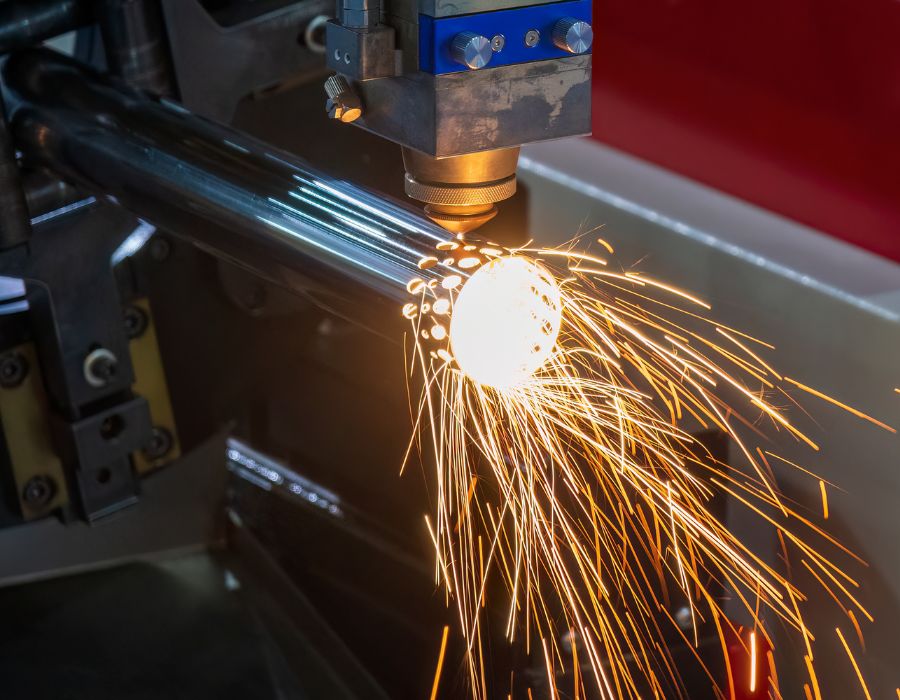
Maintenance Tips For Plasma Cutter Nozzles
Taking care of plasma cutter nozzles is key for getting clean cuts and making your equipment last. Let’s look at some easy ways to keep your nozzles in top shape.
Regular Inspection
We recommend checking your nozzles before each use. Look for any signs of wear or damage. Small nicks or scratches can affect cut quality.
Here’s what to watch for: • Enlarged or misshapen orifice • Cracks or chips • Discoloration • Buildup of debris
If you spot issues, it’s best to replace the nozzle. Using damaged nozzles can harm your whole plasma system.
Keep spare nozzles on hand so you’re not stuck without one. We suggest replacing nozzles after about 40 pierce starts for optimal performance.
Cleaning After Use
Cleaning nozzles after each use prevents buildup and extends their life. Here’s our quick cleaning routine:
- Let the nozzle cool completely
- Remove it carefully
- Blow out debris with compressed air
- Wipe with a clean, lint-free cloth
- Check for any stuck-on slag
For tougher grime, try a soft wire brush. But be gentle – you don’t want to scratch the nozzle.
Avoid harsh chemicals or abrasives. They can damage the nozzle’s delicate parts. If you need a solvent, use only those approved by your plasma cutter’s maker.
Proper Installation And Alignment
Correct installation is crucial for nozzle life and cut quality. Always follow your machine’s manual for exact steps. Here are some key points:
• Make sure the nozzle is seated fully and straight • Don’t overtighten – this can damage threads • Check o-rings and replace if worn • Align the nozzle properly with the electrode
We find it helpful to mark the nozzle and torch body. This lets you quickly check if things have shifted during use.
When changing consumables, clean the torch head too. This ensures good contact and prevents arcing issues.
Remember, a well-maintained nozzle means better cuts and less downtime. It’s worth the few extra minutes!
When To Replace Your Plasma Cutter Nozzle
Keeping an eye on your plasma cutter nozzle is key for top-notch cuts. We’ll show you the signs that it’s time for a new one.
Decreased Cut Quality Or Precision
When our cuts start looking rough, it’s often the nozzle’s fault. Poor cut quality is a big red flag. We might notice:
- Wider kerf (the width of material removed by the cut)
- Angled or jagged edges instead of straight ones
- Difficulty piercing the metal
If we’re struggling to get clean cuts like we used to, it’s probably nozzle time. Even if the cuts look okay, slower cutting speeds can mean the nozzle’s not up to snuff anymore.
Visible Wear Or Damage
We always check our nozzles before firing up the plasma cutter. Here’s what we look for:
- Enlarged orifice: The hole in the center shouldn’t be bigger than when it was new.
- Nicks or dents: Any damage can mess up the plasma arc.
- Discoloration: A change in color often means it’s overheated.
Inspecting the hafnium wear is crucial too. If it’s worn down or pitted, it’s time to swap it out. We don’t wait for complete failure – even minor wear can affect our cuts.
Increased Dross On Cut Edges
Dross is that pesky metal buildup on the bottom of our cuts. When we start seeing more of it, our nozzle might be crying for help. Here’s what we look out for:
- More dross than usual, especially on the bottom edge
- Dross that’s harder to remove
- Uneven dross distribution
Excessive spatter during cutting is another sign. If we’re cleaning up more than cutting, it’s probably time for a nozzle change. Remember, a fresh nozzle means less post-cut cleanup and better-looking pieces.
Market Trends And Statistics In Plasma Cutting Nozzles
We’ve seen some exciting developments in the plasma cutting nozzle market lately. Let’s take a closer look at the numbers and what’s driving growth in this industry.
Global Market Size And Growth Projections
The plasma cutting machine market is booming! It exceeded $770.6 million in 2023 and is expected to grow at a CAGR of 5.7% between 2024 and 2032. That’s some serious expansion!
Another report suggests the market will grow by $539.92 million between 2023 and 2028, with a CAGR of 5.62%. These projections show strong, consistent growth in the coming years.
We’re seeing this growth reflected in plasma cutting nozzles too. As a crucial component, nozzle demand is rising alongside machine sales.
Key Industry Drivers And Demands
What’s behind this growth? A few key factors:
- Precision cutting needs
- Efficiency improvements
- Demand from shipbuilding and other industries
Enhanced accuracy in cutting operations is driving demand for better plasma cutting machines and nozzles. Industries need precise cuts, and plasma technology delivers.
We’re also seeing a push for longer-lasting nozzles. Traditional designs had short lifespans due to molten metal damage. But good news! Dual flow plasma nozzles are gaining popularity, offering better protection and longer life.
Shipbuilding is a major consumer of plasma cutting tech. As this industry grows, so does the need for cutting-edge plasma nozzles.
Conclusion
We’ve covered a lot of ground in this plasma cutter nozzle guide! Let’s recap the key points:
Nozzles come in different sizes and types. The right nozzle can make a big difference in your cutting quality.
Remember to match your nozzle to your amperage:
- 20 amp tip: 0.6mm/.025″
- 30 amp tip: 0.8mm/.030″
- 40 amp tip: 0.9mm/.035″
Proper maintenance is crucial. Clean your nozzles regularly and replace them when worn.
Don’t forget about gas flow and pressure! These factors work hand-in-hand with your nozzle choice.
We hope this guide helps you choose the perfect nozzle for your next project. Happy cutting!


