

Plasma cutting is a precise technology used to cut materials like steel, stainless steel, and aluminum. This process is essential in many industries for shaping metal components. Achieving high plasma cutting edge quality is crucial for ensuring the durability and functionality of the parts produced. By focusing on factors like edge roughness and hardness, manufacturers can enhance the quality of plasma-cut components.
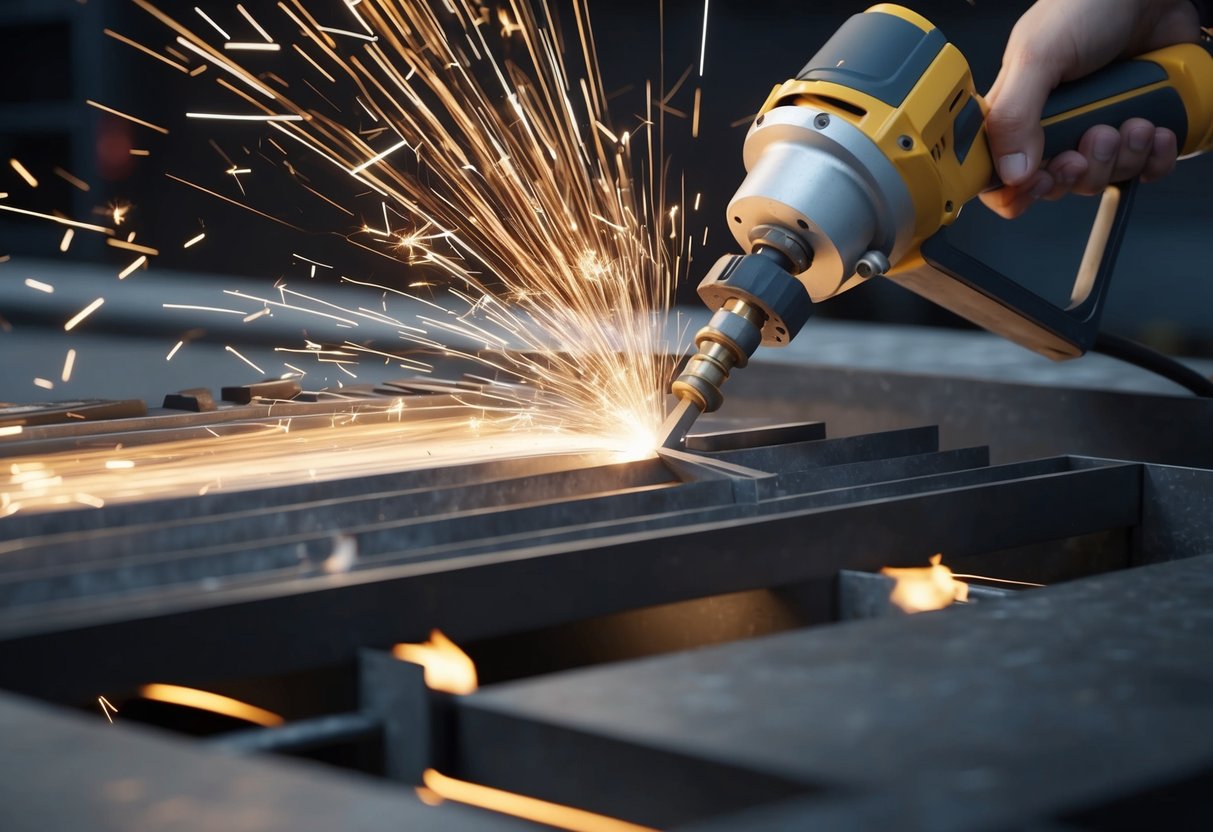
The quality of a plasma cut edge can affect the overall performance of the metal parts. For example, in bridge structures, optimizing plasma cut-edge properties can significantly improve their durability. This involves careful selection of cutting parameters to minimize defects and achieve the desired finish. Understanding these factors can lead to better results in various applications, from building bridges to crafting intricate metal designs.
To improve plasma cutting edge quality, one must consider the specific characteristics of the materials being cut. Factors such as the type of metal, cutting speed, and plasma arc settings all play a role. By tailoring these variables, it’s possible to achieve cuts with smoother edges and less roughness, ensuring the best possible outcome for each project.
What Is Plasma Cutting?
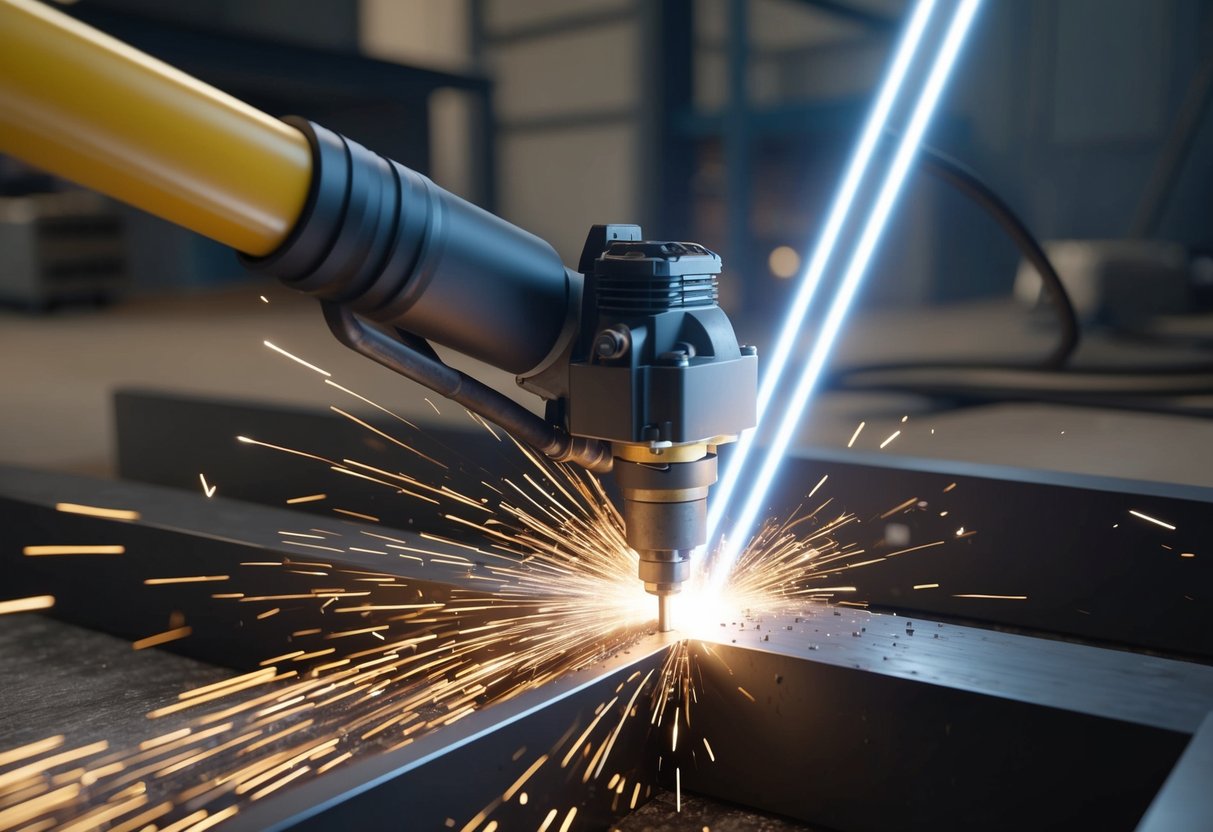
Plasma cutting is a process that uses an accelerated jet of hot plasma to cut through electrically conductive materials. It’s widely used in industries for cutting metals like steel and aluminum. The method involves creating a flow of gas, which is ionized into plasma, capable of conducting electricity and cutting through metal efficiently.
Understanding the Plasma Cutting Process
In plasma arc cutting, a power supply sends an electric arc through a gas, often air or oxygen. This turns the gas into plasma, capable of reaching temperatures around 30,000°F. This extremely hot plasma can melt through metal quickly.
The plasma is ejected through a small nozzle with high speed, cutting through the material by melting it. As the plasma exits, it blows the molten metal away, creating clean cuts. Mechanized water-injection plasma is sometimes used to enhance cut quality, as it reduces heat-affected zones and minimizes metal warping.
The Role of Gas in Plasma Cutting
The choice of gas affects cut quality and speed. Common gases include air, argon, and nitrogen. Air plasma is popular due to its availability and cost-effectiveness. However, it may not provide the best quality for thicker materials.
Oxygen plasma is often chosen for cutting steel because it enhances speed and quality by reacting exothermically with the metal. This reaction can improve edge finish compared to air or other gases. Nitrogen plasma gas is used for cutting stainless steel and aluminum to prevent oxidation and maintain a clean edge without melting the workpiece excessively. Proper gas flow and type selection are crucial to optimizing the plasma cutting process.
Key Factors Affecting Cut Quality
In plasma cutting, several key factors can influence the quality of the cut edge. These factors can directly affect attributes like edge smoothness, dross formation, and overall cutting efficiency.
How Does Cutting Speed Influence Edge Quality?
Cutting speed plays a significant role in determining the edge quality of a plasma cut. If the speed is too fast, the cut may become rough, with excessive dross forming on the underside of the workpiece. This happens because the plasma jet doesn’t have enough time to fully melt through the material.
Conversely, going too slow can cause the material to overheat, leading to wider kerfs and a potential loss in accuracy. Finding the right balance in cutting speed is crucial to achieving a smooth edge while maintaining dimensional accuracy. The correct speed depends on the material type and thickness, as well as the machine’s specifications. Adjustments can be made based on the feedback from initial test cuts.
Why Are Consumables Critical for Clean Cuts?
Consumables like the electrode and nozzle in a plasma cutter directly impact the cut quality. The electrode provides the electric arc that helps ionize the gas, while the nozzle focuses the plasma stream for precision cutting. Worn or damaged consumables can lead to poor quality cuts with irregular edges and excess dross.
Regularly checking and replacing consumables is vital. I focus on ensuring the nozzle remains round and free of nicks, and the electrode tip is sharp to maintain efficient operation. Also, using high-quality consumables can extend their lifespan and ensure consistent cut quality. It’s equally important to inspect the torch for any other signs of wear that might affect performance.
What Impact Does Torch Height Have on the Cut Quality?
Torch height is a critical parameter in plasma cutting, affecting the arc stability and edge finish. If the torch is too close, it can cause double arcing, leading to a burnt edge and reduced consumable lifespan. On the other hand, if the torch is too high, the cutting arc may lose focus and result in a wider kerf and more dross.
Using torch height control systems can help maintain optimal distance, ensuring consistent cut quality across the workpiece. Adjustments in piercing stages such as pierce height and cut height are important for reducing the chances of defects. This careful control helps maintain a balance between speed and accuracy, providing smoother and more precise cuts.
Improving Cut Edge Quality
Ensuring high-quality plasma cut edges is essential for durability and precision. This involves managing various factors like gas flow, motion control, and cutting parameters such as speed and amperage. Each plays a critical role in enhancing the overall cutting performance and results.
What Are the Best Practices for Optimizing Gas Flow?
Optimizing gas flow is crucial for achieving a clean cut. I always adjust the flow to match the material type and thickness. The choice of gas impacts the cut edge. For instance, nitrogen can improve edge quality on stainless steel. Correct gas pressure prevents oxidation and reduces slag, leading to smoother edges.
Regularly inspect the gas supply and the condition of the nozzles. A clogged nozzle can disrupt the flow, causing rough cuts. I also ensure that the compressor is functioning properly to maintain a consistent flow rate throughout the cutting process.
How Can Motion Control Enhance Cut Precision?
Motion control plays a vital role in achieving precise cuts. By using CNC machines, I can ensure consistent speed and direction, enhancing the accuracy of the cuts. Incorporating lead-in and lead-out techniques further enhances the cut beginnings and endings, resulting in cleaner edges.
Mechanized plasma cutting systems allow for precise adjustments, reducing human error. Calibration of the motion control system is a regular practice for me. This maintains the desired cut path and prevents deviations that could compromise quality.
Why Is Control of Amperage and Speed Important for Cutting?
Control of amperage and speed directly affects the cut quality. I adjust the amperage according to the material’s thickness; too high can cause excessive heat and warping. On the other hand, too low might not cut through completely. Finding the right balance is key.
The speed of cutting should align with the amperage settings. If I go too fast, the cut edge may become rough. Too slow can result in dross formation. Proper nesting of parts can also help optimize these settings, reducing waste and improving efficiency.
Troubleshooting Common Plasma Cutting Issues
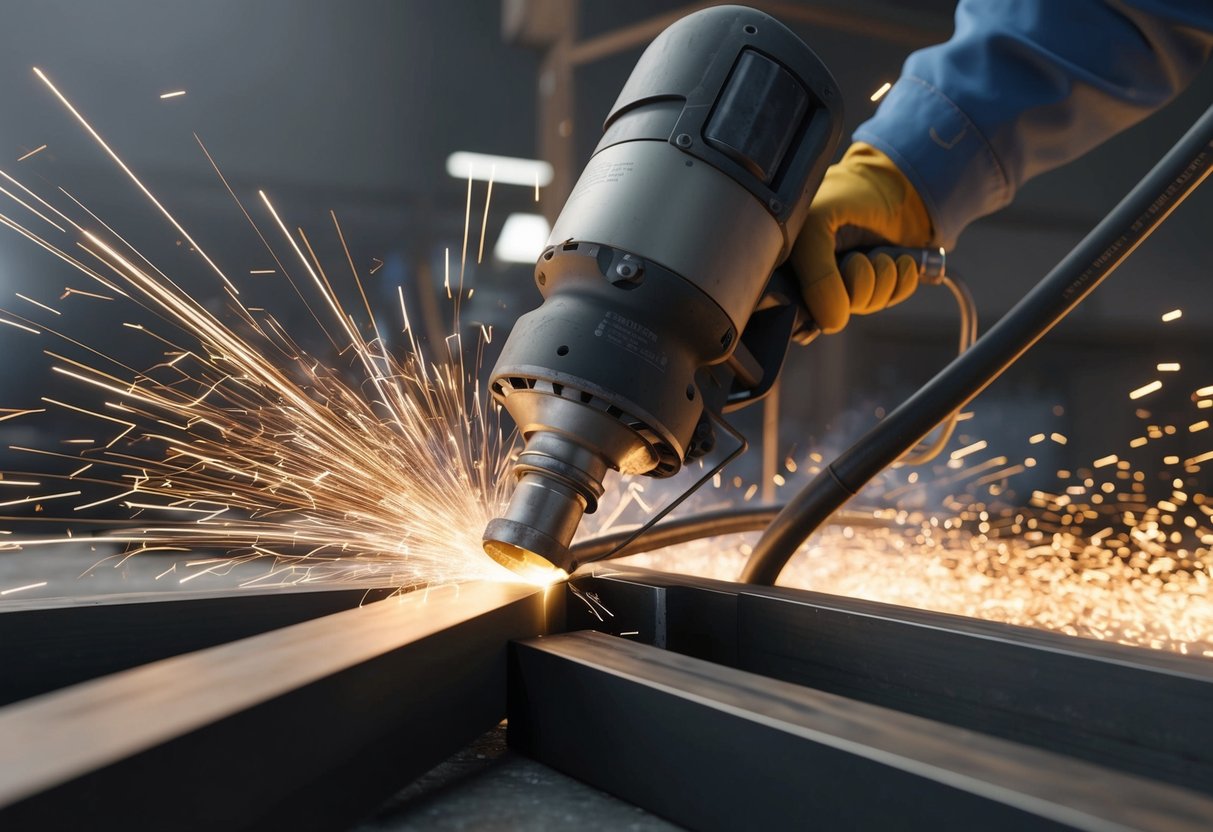
Plasma cutting can produce clean and precise cuts, but sometimes issues like dross, beveling, and double arcing can arise. Understanding how to address these challenges ensures better results and reduces waste.
How to Address Dross Formation?
Dross formation is a common issue in plasma cutting that can affect the quality of the cut. Dross refers to the unwanted material that sticks to the edge of a cut part. It can occur at high speeds, known as high-speed dross, low speeds (low-speed dross), or on top of the cut (top spatter dross).
To minimize dross, I make sure to set the correct cutting speed. If the speed is too high, high-speed dross occurs, while low-speed dross happens if the speed is too slow. Adjusting the speed can help reduce both types. Keeping the nozzle clean and ensuring proper torch height are crucial. Regular maintenance of consumables helps maintain arc stability.
What Causes Beveling and How to Prevent It?
Beveling refers to an angled cut edge. Positive bevel occurs when the top of the cut is wider than the bottom, while negative bevel is the opposite. Beveling impacts the precision and may require additional machining.
Misalignment of the torch or worn consumables often causes beveling. Keeping the torch perpendicular to the workpiece helps mitigate this issue. I also check for wear on the nozzle and electrode and replace them as needed. Consistent speed and proper height settings are vital for straight cuts. Regular calibration using a CNC machine ensures accuracy.
Why Does Double Arcing Occur and How to Solve It?
Double arcing happens when the plasma arc attaches to the wrong part of the cutting process. This can damage the nozzle and reduce cut quality. Double arcing usually occurs because of worn consumables or incorrect torch spacing.
To prevent double arcing, I regularly inspect and replace consumable components. Ensure the electrode and nozzle are in good condition to avoid erratic arcs. Proper torch height is also critical. Keeping a focus on the right arc length helps maintain arc stability, reducing the chances of double arcing. A stable arc improves overall performance, leading to cleaner cuts.
Material and Equipment Considerations
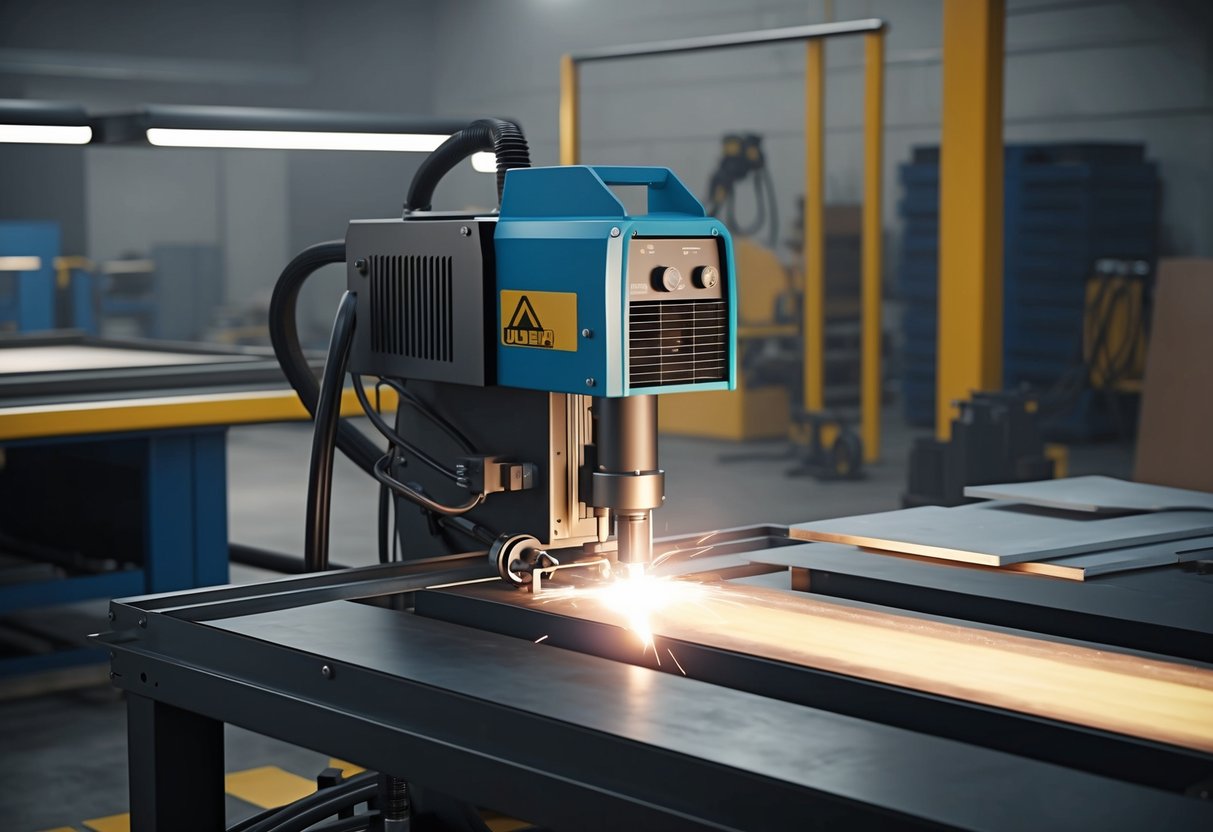
When it comes to plasma cutting, both the materials you choose and the equipment you use significantly influence the quality of your cuts. Different materials like steel and aluminum can affect edge quality differently, while the right plasma torch and maintenance play crucial roles.
How Do Different Materials Affect Cut Quality?
Materials such as steel, stainless steel, and aluminum respond differently to plasma cutting. Each material has unique properties that affect cut quality. Steel typically offers smoother cuts with minimal dross, while stainless steel might require adjustments in cutting speed due to its thermal conductivity. Aluminum often produces a wider heat-affected zone, which can lead to softer edges. The type of material also dictates the choice of plasma settings. For example, metals with higher thickness generally require more power. Knowledge about material properties is essential to achieve optimal edge quality.
Choosing the Right Plasma Torch and Consumables
Selecting the appropriate plasma torch and tungsten electrodes is crucial for achieving high-quality cuts. High-quality torches provide precise control and reduce kerf width, resulting in cleaner edges. Consumables such as nozzles and electrodes impact the stability of the cutting arc. Properly maintained consumables extend the consumable life and improve cut quality. Matching the power supply to the type of material also matters, as it ensures efficient energy use. Investing in reliable equipment optimizes performance and reduces costs.
Importance of Regular Equipment Maintenance
Regular maintenance of plasma cutting equipment is vital for consistent quality. Simple actions like cleaning the cutting table and checking the power source can prevent common issues. Regular inspections help identify worn parts that might affect the cut. Ensuring machine settings are accurate is also important, as small discrepancies can lead to poor edge quality. Routine maintenance extends the life of both the equipment and consumables, ensuring smooth operations and high-quality outputs. Maintaining my equipment has consistently proven invaluable in achieving the best cut results.
Advanced Techniques for Edge Quality Enhancement
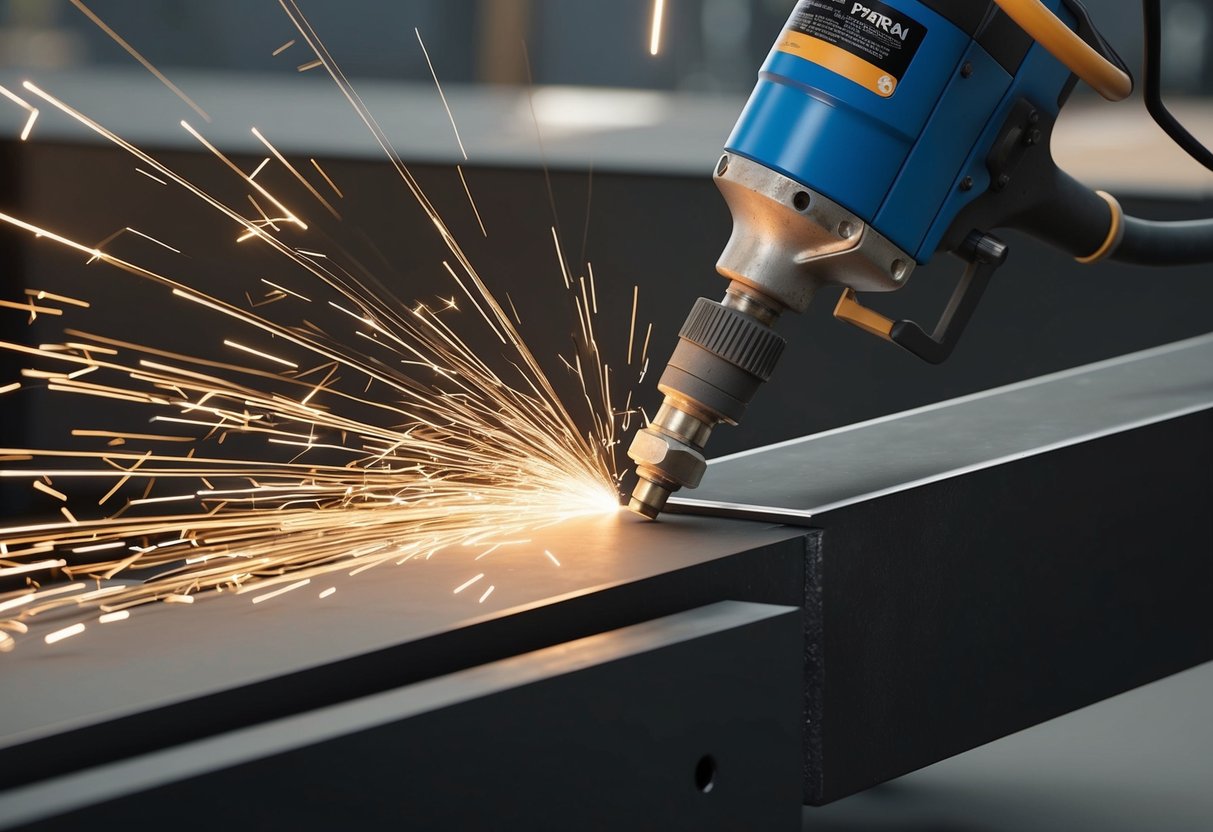
Improving the edge quality in plasma cutting involves understanding key factors such as kerf width and the use of advanced CNC and gantry systems. These elements influence the precision and finish of the cut, which can significantly impact the final product.
What Is the Significance of Kerf Width on Cut Quality?
Kerf width is the slot created by the plasma arc process. It affects the accuracy and quality of the parts produced. A wider kerf can lead to a rougher edge and may require additional finishing.
Understanding kerf width is crucial for achieving precise cuts. Managing this width involves adjusting cutting speed, amperage, and the type of plasma gas used. Consistent kerf width ensures that the parts fit correctly and maintain the intended design.
Measuring and controlling kerf width helps in reducing material waste and improving production efficiency. This practice is vital for industries that rely on tight tolerances in their plasma-cut parts.
Can CNC Technology Improve Cutting Edge Quality?
CNC technology plays a major role in enhancing cutting edge quality. With CNC machines, I can automate and control the plasma arc to achieve better precision. This reduces human errors and improves consistency.
The use of CNC in plasma cutting allows for intricate designs with minimal edge defects. It can also optimize the path and speed of the cut, leading to cleaner edges. CNC technology provides more control over factors like top edge rounding, which enhances the overall quality of the cut.
Investing in advanced CNC systems can lead to significant improvements in productivity and quality. It’s especially beneficial when precision and repeatability are required.
How to Utilize Gantry Systems for Better Cutting Accuracy?
Gantry systems offer stability and support, which are essential for accurate plasma cutting. These systems guide the plasma-cut part precisely along its path, reducing vibrations and deviations that can affect edge quality.
Incorporating gantry systems helps in dealing with larger sheets, maintaining an even cut across longer distances. The stability provided can minimize edge rounding issues and ensure smooth top edges.
Using gantry systems can be particularly advantageous in heavy industrial applications where maintaining accuracy and efficiency in cutting is critical. It integrates well with CNC technology, offering a comprehensive solution for enhancing cut quality and optimizing overall production processes.
Technical Considerations for Worldwide Users
When plasma cutting, the quality of the edge can vary significantly from region to region due to differences in technology, resources, and user expertise. Understanding these variations helps ensure optimal performance.
What Are the Variations in Plasma Cutting Across Different Regions?
North America and Europe often use advanced CNC machines, which allow for precise cuts and reduced edge roughness. These regions benefit from more widespread training and access to high-quality equipment.
In contrast, Asia Pacific and South America may face challenges due to limited access to the latest technology. This can affect the accuracy and quality of cuts, requiring manual adjustments to achieve desired results.
Africa and the Middle East might deal with power supply inconsistencies, impacting machine performance. This can lead to inconsistent edge quality, necessitating expertise to compensate for these conditions.
Language differences, such as English, Español, and 中文, also play a role in how technical information is disseminated and understood. Ensuring instructions and guidelines are available in multiple languages is crucial to overcoming these barriers and achieving high-quality results globally.
Conclusion
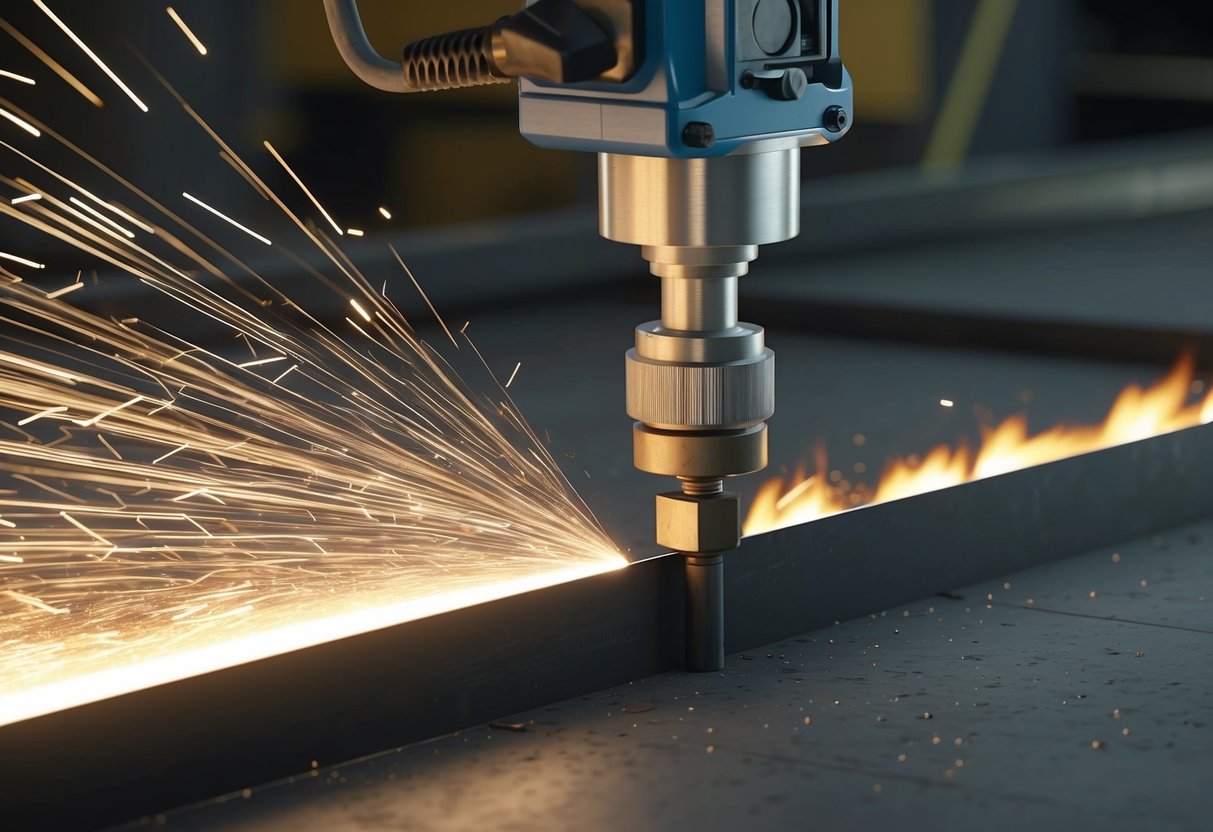
Achieving high cut quality in plasma cutting is crucial for many industries. One key factor that impacts cut quality is the bevel. A proper setup and calibration can reduce bevel angles, ensuring precise cuts. It’s important to adjust the machine settings, like the angle and height of the torch, to minimize bevel.
The surface finish is another attribute that defines cut quality. After plasma cutting, the finish should be smooth and free of jagged edges. Selecting the right cutting speed and maintaining consistent arc stability can improve the surface finish. Regular maintenance helps keep equipment in top condition.
Technical guidance plays a vital role in achieving desired results. By understanding machine specifications and following best practices, operators can enhance cut quality. Training and experience further contribute to proficiency in using plasma cutting machinery.
For professionals in the field, using advanced techniques and understanding the machine’s capabilities is essential. As I implement these strategies, I notice improvements in the final product. Continuous learning and adaptation are key to long-term success in plasma cutting.

